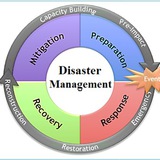
۱۲ نفر در سيل شمال شرق کشور جان باختند
تاریخ انتشار: 96/05/20 20:41
http://akharinkhabar.com/Pages/News.aspx?id=3663250
تاریخ انتشار: 96/05/20 20:41
http://akharinkhabar.com/Pages/News.aspx?id=3663250
آخرین خبر | در کوتاهترین زمان بروزترین باشید
آخرین خبر | ۱۲ نفر در سیل شمال شرق کشور جان باختند
رئیس سازمان مدیرت بحران کشور آخرین وضعیت مناطق سیلزده در پنج استان کشور را تشریح کرد و از مرگ ۱۲ تن در پی این حادثه خبر داد.اسماعی...
Forwarded from مجله خبری 20:30
🔶📸 تصاویر/مردم و مسافران بسیاری در گل و لای پس از سیلاب در جاده آزادشهر گلستان گرفتار شدند
#حوادث
#سيل
🌐 @majaleh20_30
#حوادث
#سيل
🌐 @majaleh20_30
Forwarded from شهر ایمن
💢 مرگ ۱۲ نفر در سیل شمال شرق کشور/ دو تن مفقودند
رئیس سازمان مدیرت بحران کشور:
🔹در پی بارش باران در استانهای گلستان، گیلان، خراسانرضوی، خراسان شمالی و سمنان که از روز گذشته آغاز شده و امروز نیز ادامه داشت شاهد جاری شدن سیل در برخی از شهرستانها بودیم.
🔹وقوع این حادثه پیشتر از طریق اطلاعیه و اخطاریههای سازمان هواشناسی پیشبینی و از طریق رسانههای محلی اطلاعرسانی شده بود.
🔹 این سیلاب خساراتی را به تاسیسات و جادههای مواصلاتی وارد کرده و تاکنون برابر آمارها قریب به ۴۰۰ تن امدادرسانی شده است.
🔹در پی این حوادث ۱۲ تن در سه استان جان خود را از دست دادهاند، ۷ نفر در خراسان رضوی، ۴نفر در گلستان و یک نفر در خراسان شمال جان خود را از دست دادهاند.
🔹همچنین دو تن در روستای شیرینآباد علیآباد کتول مفقود شدهاند که جستجوها برای نجاتشان همچنان ادامه دارد./ ایسنا
@bohrannews
رئیس سازمان مدیرت بحران کشور:
🔹در پی بارش باران در استانهای گلستان، گیلان، خراسانرضوی، خراسان شمالی و سمنان که از روز گذشته آغاز شده و امروز نیز ادامه داشت شاهد جاری شدن سیل در برخی از شهرستانها بودیم.
🔹وقوع این حادثه پیشتر از طریق اطلاعیه و اخطاریههای سازمان هواشناسی پیشبینی و از طریق رسانههای محلی اطلاعرسانی شده بود.
🔹 این سیلاب خساراتی را به تاسیسات و جادههای مواصلاتی وارد کرده و تاکنون برابر آمارها قریب به ۴۰۰ تن امدادرسانی شده است.
🔹در پی این حوادث ۱۲ تن در سه استان جان خود را از دست دادهاند، ۷ نفر در خراسان رضوی، ۴نفر در گلستان و یک نفر در خراسان شمال جان خود را از دست دادهاند.
🔹همچنین دو تن در روستای شیرینآباد علیآباد کتول مفقود شدهاند که جستجوها برای نجاتشان همچنان ادامه دارد./ ایسنا
@bohrannews
سانحه قطار در مصر
خبرگزاری رویترز میگوید در یک سانحه قطار در اسکندریه مصر ۲۱ نفر کشته و ۵۵ نفر زخمی شدهاند.
خبرگزاری رویترز میگوید در یک سانحه قطار در اسکندریه مصر ۲۱ نفر کشته و ۵۵ نفر زخمی شدهاند.
Forwarded from DETSKOE POR4 (Mehdi Zare)
نشست #مکان_بابی و #اسکان اضطراری پس از سانحه، ویدئو کامل برنامه 18-5-96 http://www.aparat.com/v/PiacB#
آپارات - سرویس اشتراک ویدیو
#نشست_تخصصی_بازسازی_پس_از_سانحه-شماره_1
#نشست_تخصصی_بازسازی_پس_از_سانحه-شماره_1
بررسی نمونه مسکن موقت پس از سوانح طبیعی
اعضای پنل (به ترتیب الفبا)
دکتر اوریل پونز
دکتر امین حسینی
دکتر مهدی زارع
دکتر آلبرت دلا فوئتنه
دکتر شریف مطوف
برگزار کننده:FSAN
بررسی نمونه مسکن موقت پس از سوانح طبیعی
اعضای پنل (به ترتیب الفبا)
دکتر اوریل پونز
دکتر امین حسینی
دکتر مهدی زارع
دکتر آلبرت دلا فوئتنه
دکتر شریف مطوف
برگزار کننده:FSAN
Forwarded from DETSKOE POR4 (Mehdi Zare)
#بازسازي #زلزله ٢١-٥-١٣٩١ #ورزقان 👆👆👆👆#آذربايجان_شرقي #روستاي #چاخماق_بولاغ _عليا ٥ #خانوار ساكنند (در كانكسها!)، تاريخ عكس:٢١-٥-١٣٩٤
در روستاي چاخماق بولاغ عليا ٥ خانوار ساكنند (در كانكسها!)، و در چخماغ بولاغ سفلي براي ٢٠ خانوار خانه سازي شده، ولي در اين روستاي جديدالاحداث كسي زندگي نمي كند (٢٠ خانه و يك مسجد در ميانشان خالي از سكنه اند!). (در كيلومتر ١٥ جاده ورزقان-تبريز؛ ١٥ كيلومتري جنوب ورزقان). به هر حال سرمايه گذاري زياد و ساخت خانه جايگزين تكميل شده است ولي جمعيت جابه جا شده در پهنه رومركزي حدود ٣٠٪برآورد مي شود.
در روستاي چاخماق بولاغ عليا ٥ خانوار ساكنند (در كانكسها!)، و در چخماغ بولاغ سفلي براي ٢٠ خانوار خانه سازي شده، ولي در اين روستاي جديدالاحداث كسي زندگي نمي كند (٢٠ خانه و يك مسجد در ميانشان خالي از سكنه اند!). (در كيلومتر ١٥ جاده ورزقان-تبريز؛ ١٥ كيلومتري جنوب ورزقان). به هر حال سرمايه گذاري زياد و ساخت خانه جايگزين تكميل شده است ولي جمعيت جابه جا شده در پهنه رومركزي حدود ٣٠٪برآورد مي شود.
Forwarded from شهر ایمن
شناسایی٩٩٣ نقطه نا ایمن در بازار تهران
شهردار منطقه 12 تهران از شناسایی 993 نقطه نا ایمن در بازار تهران خبر داد.
عابد ملکی با اشاره به اینکه کمیته تخصصی ایمنی برای بازار تهران تشکیل شده است، گفت: در این کمیته تخصصی معاون دادستان تهران، شهردار و قائم مقام منطقه ۱۲، نمایندگان سازمانهای آتش نشانی و مدیریت بحران، اوقاف، میراث فرهنگی، اتاق اصناف و مدیران شرکتهای خدمت رسان شامل آب و برق و... حضور دارند.
وی با بیان اینکه این کمیته به منظور دستیابی به راهکارهای افزایش ایمنی در بازار بزرگ تهران تشکیل شده است، تصریح کرد: سازمان آتش نشانی در بازدیدهای مختلف، موارد متعدد عدم ایمنی در بازار همچون وجود کابلهای غیر مجاز برق ، انشعابات غیر مجاز آب و ضرورت تکمیل شبکه فاضلاب در بازار را احصاء کرد و همچنین در بررسیها ضرورتهایی همچون جمع آوری و رفع سد معبر در ورودی سراها و دالان ها با توجه به بحث میراثی بازار مورد تاکید قرار گرفت.
شهردار منطقه 12 با بیان اینکه طی جلسات مختلف ۹۹۳ نقطه ناایمن در بازار تهران شناسایی شد، گفت: در بازار تهران تعداد ۴۰ پلاک، سرا و دالان در اولویت شماره یک خطر قرار گرفتهاند که علاوه بر آموزش به مالکان و کسبه آن، کلیه اقدامات لازم در خصوص تشکیل پرونده قضایی آنها هم صورت گرفت تا در صورت عدم رعایت موارد ایمنی نسبت به پلمب اقدام شود.
@bohrannews
شهردار منطقه 12 تهران از شناسایی 993 نقطه نا ایمن در بازار تهران خبر داد.
عابد ملکی با اشاره به اینکه کمیته تخصصی ایمنی برای بازار تهران تشکیل شده است، گفت: در این کمیته تخصصی معاون دادستان تهران، شهردار و قائم مقام منطقه ۱۲، نمایندگان سازمانهای آتش نشانی و مدیریت بحران، اوقاف، میراث فرهنگی، اتاق اصناف و مدیران شرکتهای خدمت رسان شامل آب و برق و... حضور دارند.
وی با بیان اینکه این کمیته به منظور دستیابی به راهکارهای افزایش ایمنی در بازار بزرگ تهران تشکیل شده است، تصریح کرد: سازمان آتش نشانی در بازدیدهای مختلف، موارد متعدد عدم ایمنی در بازار همچون وجود کابلهای غیر مجاز برق ، انشعابات غیر مجاز آب و ضرورت تکمیل شبکه فاضلاب در بازار را احصاء کرد و همچنین در بررسیها ضرورتهایی همچون جمع آوری و رفع سد معبر در ورودی سراها و دالان ها با توجه به بحث میراثی بازار مورد تاکید قرار گرفت.
شهردار منطقه 12 با بیان اینکه طی جلسات مختلف ۹۹۳ نقطه ناایمن در بازار تهران شناسایی شد، گفت: در بازار تهران تعداد ۴۰ پلاک، سرا و دالان در اولویت شماره یک خطر قرار گرفتهاند که علاوه بر آموزش به مالکان و کسبه آن، کلیه اقدامات لازم در خصوص تشکیل پرونده قضایی آنها هم صورت گرفت تا در صورت عدم رعایت موارد ایمنی نسبت به پلمب اقدام شود.
@bohrannews
Forwarded from شهر ایمن
مهار آتشسوزی در تولیدی پوشاک
سخنگوی سازمان آتشنشانی تهران با اعلام آتشسوزی در یک ساختمان ۵ طبقه در خیابان ولیعصر گفت: ۲۰ نفر از کسبه و کارگران که در این ساختمان محبوس شده بودند، نجات پیدا کردند
جلال ملکی با اعلام خبر آتشسوزی در یک ساختمان ۵ طبقه گفت: ساعت ۱ :۱۱ دقیقه امروز ظهر آتشسوزی در ساختمانی در خیابان ولیعصر پایینتر از چهارراه ولیعصر دچار رخ داد و ۴ ایستگاه به همراه تجهیزات و خودروی تنفسی به محل اعزام شدند.
او ادامه داد: همه واحدهای این ساختمان ۵ طبقه به کارگاه تولیدی تبدیل شده بود و آتش از زیرزمین این ساختمان که حدود ۳۰۰ متر وسعت داشته و از پارچهها و لباس انباشته شده بود آغاز میشود.
سخنگوی سازمان آتشنشانی خاطرنشان کرد: تمامی کسبه و کارگران در ساختمان محبوس شده بودند و دو، سه نفر از کارگران به لبه پنجرهها آمده و درخواست کمک داشتند. باتوجه به اینکه دود در طبقه منهای یک حبس شده بود و حرارت زیادی در آنجا وجود داشت ورود برای آتشنشانان بسیار سخت بود اما آتشنشانان با تجهیزات کامل وارد و عملیات آغاز شد.
ملکی ادامه داد: گروههای دیگر نیز با تجهیزات تنفسی به طبقات فوقانی ساختمان رفته و با کنترل آتش افراد را نجات دادند، تعدادی نیز با استفاده از نردبان از بیرون از پنجرهها به خارج از ساختمان منتقل شدند. در نهایت حدود ۲۰ نفر از کارگران وکسبه که در این ساختمان محبوس شده بودند نجات پیدا کردند.
او با بیان این حادثه یک مصدوم داشت تصریح کرد: یک خانم دچار سوختگی شده بود که به نیرویهای اورژانس تحویل داده شد و محل توسط نیروهای آتشنشانی ایمن سازی شد.
@bohrannews
سخنگوی سازمان آتشنشانی تهران با اعلام آتشسوزی در یک ساختمان ۵ طبقه در خیابان ولیعصر گفت: ۲۰ نفر از کسبه و کارگران که در این ساختمان محبوس شده بودند، نجات پیدا کردند
جلال ملکی با اعلام خبر آتشسوزی در یک ساختمان ۵ طبقه گفت: ساعت ۱ :۱۱ دقیقه امروز ظهر آتشسوزی در ساختمانی در خیابان ولیعصر پایینتر از چهارراه ولیعصر دچار رخ داد و ۴ ایستگاه به همراه تجهیزات و خودروی تنفسی به محل اعزام شدند.
او ادامه داد: همه واحدهای این ساختمان ۵ طبقه به کارگاه تولیدی تبدیل شده بود و آتش از زیرزمین این ساختمان که حدود ۳۰۰ متر وسعت داشته و از پارچهها و لباس انباشته شده بود آغاز میشود.
سخنگوی سازمان آتشنشانی خاطرنشان کرد: تمامی کسبه و کارگران در ساختمان محبوس شده بودند و دو، سه نفر از کارگران به لبه پنجرهها آمده و درخواست کمک داشتند. باتوجه به اینکه دود در طبقه منهای یک حبس شده بود و حرارت زیادی در آنجا وجود داشت ورود برای آتشنشانان بسیار سخت بود اما آتشنشانان با تجهیزات کامل وارد و عملیات آغاز شد.
ملکی ادامه داد: گروههای دیگر نیز با تجهیزات تنفسی به طبقات فوقانی ساختمان رفته و با کنترل آتش افراد را نجات دادند، تعدادی نیز با استفاده از نردبان از بیرون از پنجرهها به خارج از ساختمان منتقل شدند. در نهایت حدود ۲۰ نفر از کارگران وکسبه که در این ساختمان محبوس شده بودند نجات پیدا کردند.
او با بیان این حادثه یک مصدوم داشت تصریح کرد: یک خانم دچار سوختگی شده بود که به نیرویهای اورژانس تحویل داده شد و محل توسط نیروهای آتشنشانی ایمن سازی شد.
@bohrannews
گرما به خوزستان باز می گردد
کوروش بهادری ، مدیرکل هواشناسی خوزستان گفت :
▪️دمای هوا از فردا در بیشتر نقاط استان خوزستان از 49 درجه سانتیگراد بیشتر است ،همزمان افزایش رطوبت نسبی و دمای هوا میتواند موجب کاهش آسایش شهروندان شود
▪️میزان رطوبت نسبی امروز صبح در شادگان 89 درصد، ماهشهر 88 درصد، آبادان 86 درصد، اهواز 82 درصد، هندیجان 80 درصد و بستان 75 درصد بوده است.
کوروش بهادری ، مدیرکل هواشناسی خوزستان گفت :
▪️دمای هوا از فردا در بیشتر نقاط استان خوزستان از 49 درجه سانتیگراد بیشتر است ،همزمان افزایش رطوبت نسبی و دمای هوا میتواند موجب کاهش آسایش شهروندان شود
▪️میزان رطوبت نسبی امروز صبح در شادگان 89 درصد، ماهشهر 88 درصد، آبادان 86 درصد، اهواز 82 درصد، هندیجان 80 درصد و بستان 75 درصد بوده است.
Forwarded from خبرهای فوری مهم 🔖
۳۸ نفر مفقودی در سیل خراسان رضوی
🔹سخنگوی هلال احمر استان آمار گمشدگان سیل را ۳۸نفر شامل ۲۵ نفر در منطقه کلات، ۱۲نفر سرخس و ۱ نفر فریمان اعلام شد /صداوسیما #حوادث
✅ @khabar_fouri
🔹سخنگوی هلال احمر استان آمار گمشدگان سیل را ۳۸نفر شامل ۲۵ نفر در منطقه کلات، ۱۲نفر سرخس و ۱ نفر فریمان اعلام شد /صداوسیما #حوادث
✅ @khabar_fouri
Forwarded from 🇮🇷🇦🇳🇮🇦🇳
This media is not supported in your browser
VIEW IN TELEGRAM
سيستم هاى جديد امداد رسانى و ماشين آتش نشانى در آينده نزديك.. محشره .. 👌🏻
لینک join👇🏻
https://telegram.me/joinchat/BjvC5TwCOUW0v0INtUj7mw
لینک join👇🏻
https://telegram.me/joinchat/BjvC5TwCOUW0v0INtUj7mw
Forwarded from خبرهای فوری مهم 🔖
پیونگ یانگ عمیقترین تونلهای متروی جهان را دارد و در صورت بروز جنگ هستهای میان آمریکا و کره شمالی میتواند به عنوان یکی ازبهترین پناهگاههای هستهای مورد استفاده قرار بگیرند /ایسنا
✅ @khabar_fouri
✅ @khabar_fouri
Forwarded from Amin Maghsoudi
این فایل پیوست بیبلیوگرافی تمامی مقالات در حوه لجستیک بشردوستانه تا تاریخ 2017 میلادی است که در دنیا منتشر شده اند. این لیست توسط پروفسور تپیتر تاتام گرداوری شده است:
Forwarded from Amin Maghsoudi
Hanken School of Economics
Fellowship Programme
The fellowship programme offers a 2- week to 6 months stay at the HUMLOG Institute, Hanken School of Economics to post-docs, professors, PhD candidates and Humanitarian practitioners. The aim of the fellowship is to provide a platform for mutual exchange…
مسمومیت مشکوک تعدادی از شهروندان دزفولی
تاریخ انتشار: 96/05/21 23:11
www.akharinkhabar.com/Pages/News.aspx?id=3665889
تاریخ انتشار: 96/05/21 23:11
www.akharinkhabar.com/Pages/News.aspx?id=3665889
آخرین خبر | در کوتاهترین زمان بروزترین باشید
آخرین خبر | مسمومیت مشکوک تعدادی از شهروندان دزفول
تعدادی از شهروندان دزفولی بر اثر متصاعد شدن گاز با منشاء مجهول در یکی از مناطق شهر دزفول مسموم و به بیمارستان منقل شدند....
Forwarded from خبرهای فوری مهم 🔖
علت مسمومیت ده ها شهروند دزفولی مشخص شد
رییس دانشگاه علوم پزشکی دزفول اعلام کرد:
🔹نشت گاز کلر از تاسیسات آب و فاضلاب بود که تا کنون ۴۰ نفر به دلیل استنشاق گاز، مسموم که توسط عوامل اورژانس به بیمارستان دکتر گنجویان دزفول منتقل و تحت درمان قرار گرفتند /ایران #حوادث
✅ @khabar_fouri
رییس دانشگاه علوم پزشکی دزفول اعلام کرد:
🔹نشت گاز کلر از تاسیسات آب و فاضلاب بود که تا کنون ۴۰ نفر به دلیل استنشاق گاز، مسموم که توسط عوامل اورژانس به بیمارستان دکتر گنجویان دزفول منتقل و تحت درمان قرار گرفتند /ایران #حوادث
✅ @khabar_fouri
Chlorine Poisoning
Medically Reviewed by Steven Kim, MDon September 24, 2015 — Written by Bree Normandin
Symptoms Diagnosis Treatment Outlook Prevention
Overview
Chlorine is a chemical that prevents bacterial growth in stationary water. It’s used to sanitize sewage and industrial waste. It’s also an active ingredient in several cleaning products.
Chlorine poisoning can occur when you swallow or inhale chlorine. Chlorine reacts with water — including the water in your digestive tract — to form hydrochloric acid and hydrochlorous acid. Both of these substances are extremely poisonous to humans.
You may be most familiar with chlorine that’s used in pools. However, most incidents of chlorine poisoning result from ingesting household cleaners, not pool water. A few common household products and substances containing chlorine include:
chlorine tablets used in swimming poolsswimming pool watermild household cleanersbleach products
Medically Reviewed by Steven Kim, MDon September 24, 2015 — Written by Bree Normandin
Symptoms Diagnosis Treatment Outlook Prevention
Overview
Chlorine is a chemical that prevents bacterial growth in stationary water. It’s used to sanitize sewage and industrial waste. It’s also an active ingredient in several cleaning products.
Chlorine poisoning can occur when you swallow or inhale chlorine. Chlorine reacts with water — including the water in your digestive tract — to form hydrochloric acid and hydrochlorous acid. Both of these substances are extremely poisonous to humans.
You may be most familiar with chlorine that’s used in pools. However, most incidents of chlorine poisoning result from ingesting household cleaners, not pool water. A few common household products and substances containing chlorine include:
chlorine tablets used in swimming poolsswimming pool watermild household cleanersbleach products
Chlorine Toxicity Treatment & Management
Updated: Dec 11, 2015
Author: Gerald F O'Malley, DO; Chief Editor: Zygmunt F Dembek, PhD, MPH, MS, LHD more...
SECTIONS
Approach Considerations
The most important aspect of treating patients exposed to chlorine gas is the provision of good supportive care. No antidotes are available. Emergency department (ED) personnel are at low risk for cross-contamination in cases of exposure to chlorine gas. However, the patient’s clothing should be removed if it has been contaminated with liquid chlorine. Wear appropriate protective gear during decontamination, especially if the exact toxin is not identified.
Evaluate the airway, breathing, and circulation. Provide supplemental oxygen (humidified if possible) as necessary; depending on the patient’s oxygen requirements, it may be delivered by nasal cannula, face mask, nonrebreather mask, noninvasive positive pressure ventilation, or intubation. Severe respiratory distress indicates the need for endotracheal intubation. Because of the risk of laryngospasm, several back-up modalities should be available at the time of intubation (ie, fiberoptic laryngoscope, cricothyrotomy tray).
Positive pressure ventilation with positive end-expiratory pressure (PEEP) set at 5-10 mm Hg may improve oxygenation in patients with noncardiogenic pulmonary edema and allow for lower fraction of inspired oxygen (FIO2) settings. An FIO2greater than 50% for longer than 24 hours may result in oxygen toxicity.
Closely monitor the patient's fluid input and output because of the potential of pulmonary edema. Fluid restriction may be required and diuretics may be used to treat impending pulmonary edema.
Treat initial bronchospasm with beta agonists such as albuterol. Ipratropium may be added. Poor responses may require terbutaline or aminophylline. Nebulized lidocaine (4% topical solution) may provide analgesia and reduce coughing.
Other medications that may be used in the treatment of chlorine gas exposure include nebulized sodium bicarbonate and inhaled or systemic corticosteroids; however, evidence of efficacy is mixed. No evidence supports the use of prophylactic antibiotics.
Patients with skin or eye exposure to chlorine require copious irrigation with saline. Consider ophthalmologic consultation for patients with significant ocular involvement.
Consider admission and observation for the following patients, even if they are initially asymptomatic, as they are at increased risk of progression to respiratory failure:
Patients exposed to large concentrations in an enclosed environment
Patients with underlying respiratory or cardiovascular disease
Children
Cases of chronic reactive airway disease after acute exposures to chlorine gas are described in the literature. Consider referring patients for pulmonary function testing.
Prehospital Care
Prehospital care providers should take necessary precautions to prevent contamination. The use of a chemical cartridge respirator or self-contained breathing apparatus with full face mask should protect against the effects of chlorine gas on the upper and lower airways. This corresponds to Occupational Safety and Health Administration (OSHA) level A or level B personal protective equipment (PPE), with positive pressure self-contained breathing apparatuses with full face plates as well as protective overgarments. [23, 36]
Chemical-protective clothing should be worn because chlorine gas can condense on the skin and cause irritation and burns.[4] Staging areas should be situated upwind of the chlorine gas site.
Care at the site consists of the following:
Remove the individual from the toxic environment
Bring the container (double-bagged and sealed) or material safety data sheets (MSDS), if applicable, so medical personnel can identify the toxic agent; a digital photo of the product label (if possible) is preferred over the product itself to limit healthcare facility contamination
Commence primary decontamination of the eye and skin, if necessary
Real-time measurement of chlorine gas, both quantitative and qualita
Updated: Dec 11, 2015
Author: Gerald F O'Malley, DO; Chief Editor: Zygmunt F Dembek, PhD, MPH, MS, LHD more...
SECTIONS
Approach Considerations
The most important aspect of treating patients exposed to chlorine gas is the provision of good supportive care. No antidotes are available. Emergency department (ED) personnel are at low risk for cross-contamination in cases of exposure to chlorine gas. However, the patient’s clothing should be removed if it has been contaminated with liquid chlorine. Wear appropriate protective gear during decontamination, especially if the exact toxin is not identified.
Evaluate the airway, breathing, and circulation. Provide supplemental oxygen (humidified if possible) as necessary; depending on the patient’s oxygen requirements, it may be delivered by nasal cannula, face mask, nonrebreather mask, noninvasive positive pressure ventilation, or intubation. Severe respiratory distress indicates the need for endotracheal intubation. Because of the risk of laryngospasm, several back-up modalities should be available at the time of intubation (ie, fiberoptic laryngoscope, cricothyrotomy tray).
Positive pressure ventilation with positive end-expiratory pressure (PEEP) set at 5-10 mm Hg may improve oxygenation in patients with noncardiogenic pulmonary edema and allow for lower fraction of inspired oxygen (FIO2) settings. An FIO2greater than 50% for longer than 24 hours may result in oxygen toxicity.
Closely monitor the patient's fluid input and output because of the potential of pulmonary edema. Fluid restriction may be required and diuretics may be used to treat impending pulmonary edema.
Treat initial bronchospasm with beta agonists such as albuterol. Ipratropium may be added. Poor responses may require terbutaline or aminophylline. Nebulized lidocaine (4% topical solution) may provide analgesia and reduce coughing.
Other medications that may be used in the treatment of chlorine gas exposure include nebulized sodium bicarbonate and inhaled or systemic corticosteroids; however, evidence of efficacy is mixed. No evidence supports the use of prophylactic antibiotics.
Patients with skin or eye exposure to chlorine require copious irrigation with saline. Consider ophthalmologic consultation for patients with significant ocular involvement.
Consider admission and observation for the following patients, even if they are initially asymptomatic, as they are at increased risk of progression to respiratory failure:
Patients exposed to large concentrations in an enclosed environment
Patients with underlying respiratory or cardiovascular disease
Children
Cases of chronic reactive airway disease after acute exposures to chlorine gas are described in the literature. Consider referring patients for pulmonary function testing.
Prehospital Care
Prehospital care providers should take necessary precautions to prevent contamination. The use of a chemical cartridge respirator or self-contained breathing apparatus with full face mask should protect against the effects of chlorine gas on the upper and lower airways. This corresponds to Occupational Safety and Health Administration (OSHA) level A or level B personal protective equipment (PPE), with positive pressure self-contained breathing apparatuses with full face plates as well as protective overgarments. [23, 36]
Chemical-protective clothing should be worn because chlorine gas can condense on the skin and cause irritation and burns.[4] Staging areas should be situated upwind of the chlorine gas site.
Care at the site consists of the following:
Remove the individual from the toxic environment
Bring the container (double-bagged and sealed) or material safety data sheets (MSDS), if applicable, so medical personnel can identify the toxic agent; a digital photo of the product label (if possible) is preferred over the product itself to limit healthcare facility contamination
Commence primary decontamination of the eye and skin, if necessary
Real-time measurement of chlorine gas, both quantitative and qualita
tive, is possible through the use of mobile equipment
Chlorine gas is denser than air and accumulates close to the ground. Therefore, during chlorine-related accidents, people should be instructed to seek higher altitudes to avoid excessive exposure.
For related information, see Medscape's Disaster Preparedness and Aftermath Resource Center.
Hospital Admission
Patients who are asymptomatic on presentation and remain asymptomatic 6 hours after exposure may be discharged with appropriate instructions and in the presence of reliable family members. They should be advised that pulmonary edema may present in a delayed fashion after chlorine gas exposure.
Patients who present with symptoms that continue for 6 hours after exposure should be admitted for an observation period of at least 24 hours. If they are asymptomatic at 24 hours, they may be discharged with appropriate follow-up care. [37]
Consider admission and observation for the following patients, even if they are initially asymptomatic:
Patients exposed to large concentrations in an enclosed environment
Patients with underlying respiratory or cardiovascular disease
Children
Request critical care or pulmonary consultation for most admissions. Toxicology or poison control center consultation is recommended.
Skin and Eye Exposure
Skin exposures require copious irrigation with saline. Duration of skin irrigation, although not well studied, should probably be from 3-5 minutes. [4] If skin exposure is significant, wash with a mild soap and water.
In cases of suspected ocular injury, determine initial pH using a reagent strip capable of measuring the ranges 0-14. Irrigate the eye with normal saline until the pH returns to 7.4. Remove contact lenses (if present) prior to irrigation. Topical anesthetics help limit pain and improve patient cooperation during initial evaluation and management. [38]
After irrigation, evaluate the cornea with fluorescein staining under a slit lamp. Treat corneal abrasions with antibiotic ointment. Measure ocular pressures. Obtain ophthalmologic consultation for patients with significant ocular involvement.
Sodium Bicarbonate
In the past, several authors advocated nebulized sodium bicarbonate for treatment of chlorine gas exposure. The mechanism of action is believed to be the neutralization of hydrochloric acid formed in the airways. Most recommendations are based on anecdotal experience, and little supporting clinical data are available. [39,40, 41] Theoretically, an exothermic reaction may occur when bicarbonate mixes with hydrochloric acid. [1, 42, 19] Animal studies suggest that nebulized sodium bicarbonate may cause chemical pneumonitis.
In a randomized, controlled trial in 44 patients with reactive airways dysfunction syndrome (RADS) due to chlorine inhalation, forced expiratory volume in 1 second (FEV1) values at 120 and 240 minutes were significantly higher in patients treated with nebulized sodium bicarbonate (4 mL of 4.20% NaHCO3solution) than in those who received saline.[43] Treatment of all patients included corticosteroids and nebulized, short-acting β2-agonists. No significant difference in quality of life questionnaire scores was found between the two groups.
Corticosteroids
Inhaled and parenteral steroids have been used with many patients exposed to chlorine gas, but no strong clinical evidence supports their use except in patients with an exacerbation of underlying reactive airway disease. [41] Some animal studies demonstrate better lung compliance and arterial oxygen tension when inhaled steroids are initiated within 30 minutes of exposure.
Parenteral steroids are advocated by some authors to prevent short-term reactions and long-term sequelae. [44, 45] Other authors argue against this practice, because of insufficient clinical trials. [1]
Investigational Treatments
Several studies have found benefit in animal models with postexposure treatment with N-acetylcysteine (NAC) [46]and a combination of ascorbate and deferoxamine [47] on histopathological changes in pulmonary tissue compared with controls. However,
Chlorine gas is denser than air and accumulates close to the ground. Therefore, during chlorine-related accidents, people should be instructed to seek higher altitudes to avoid excessive exposure.
For related information, see Medscape's Disaster Preparedness and Aftermath Resource Center.
Hospital Admission
Patients who are asymptomatic on presentation and remain asymptomatic 6 hours after exposure may be discharged with appropriate instructions and in the presence of reliable family members. They should be advised that pulmonary edema may present in a delayed fashion after chlorine gas exposure.
Patients who present with symptoms that continue for 6 hours after exposure should be admitted for an observation period of at least 24 hours. If they are asymptomatic at 24 hours, they may be discharged with appropriate follow-up care. [37]
Consider admission and observation for the following patients, even if they are initially asymptomatic:
Patients exposed to large concentrations in an enclosed environment
Patients with underlying respiratory or cardiovascular disease
Children
Request critical care or pulmonary consultation for most admissions. Toxicology or poison control center consultation is recommended.
Skin and Eye Exposure
Skin exposures require copious irrigation with saline. Duration of skin irrigation, although not well studied, should probably be from 3-5 minutes. [4] If skin exposure is significant, wash with a mild soap and water.
In cases of suspected ocular injury, determine initial pH using a reagent strip capable of measuring the ranges 0-14. Irrigate the eye with normal saline until the pH returns to 7.4. Remove contact lenses (if present) prior to irrigation. Topical anesthetics help limit pain and improve patient cooperation during initial evaluation and management. [38]
After irrigation, evaluate the cornea with fluorescein staining under a slit lamp. Treat corneal abrasions with antibiotic ointment. Measure ocular pressures. Obtain ophthalmologic consultation for patients with significant ocular involvement.
Sodium Bicarbonate
In the past, several authors advocated nebulized sodium bicarbonate for treatment of chlorine gas exposure. The mechanism of action is believed to be the neutralization of hydrochloric acid formed in the airways. Most recommendations are based on anecdotal experience, and little supporting clinical data are available. [39,40, 41] Theoretically, an exothermic reaction may occur when bicarbonate mixes with hydrochloric acid. [1, 42, 19] Animal studies suggest that nebulized sodium bicarbonate may cause chemical pneumonitis.
In a randomized, controlled trial in 44 patients with reactive airways dysfunction syndrome (RADS) due to chlorine inhalation, forced expiratory volume in 1 second (FEV1) values at 120 and 240 minutes were significantly higher in patients treated with nebulized sodium bicarbonate (4 mL of 4.20% NaHCO3solution) than in those who received saline.[43] Treatment of all patients included corticosteroids and nebulized, short-acting β2-agonists. No significant difference in quality of life questionnaire scores was found between the two groups.
Corticosteroids
Inhaled and parenteral steroids have been used with many patients exposed to chlorine gas, but no strong clinical evidence supports their use except in patients with an exacerbation of underlying reactive airway disease. [41] Some animal studies demonstrate better lung compliance and arterial oxygen tension when inhaled steroids are initiated within 30 minutes of exposure.
Parenteral steroids are advocated by some authors to prevent short-term reactions and long-term sequelae. [44, 45] Other authors argue against this practice, because of insufficient clinical trials. [1]
Investigational Treatments
Several studies have found benefit in animal models with postexposure treatment with N-acetylcysteine (NAC) [46]and a combination of ascorbate and deferoxamine [47] on histopathological changes in pulmonary tissue compared with controls. However,
caution should be used in interpreting these studies because these interventions have not been studied in humans for this condition.
Deterrence/Prevention
Proper labeling and avoiding mixing chemicals facilitate prevention. Household cleaning products should not be mixed. Using proper precautions when handling swimming pool chemicals reduces risks. Adequate ventilation is necessary when handling any potentially noxious chemical.
As accidental occupational exposures to chlorine gas comprise a significant percentage of severe exposures, proper methods of training and supervision are beneficial. Enforcement of existing work safety regulations may lead to fewer exposures. On a larger scale, chemical warfare treaties between countries and the safe transportation and handling of industrial chlorine compounds facilitate deterrence.
Training prehospital and hospital providers in the management of chemical casualties can improve the treatment provided to exposed personnel while minimizing personal risks. Hospitals can establish mass casualty plans and perform drills to ensure that preparations are adequate in the event of a large-scale industrial accident.
Long-term exposure to small amounts of chlorine gas may contribute to pulmonary disease. The current US legal limit for occupational exposure to chlorine gas enforceable by the Occupational Safety and Health Administration (OSHA) is 0.5 ppm averaged over a 10-hour day or a 40-hour work week and a short-term exposure limit of 1 ppm. [48, 49]
Deterrence/Prevention
Proper labeling and avoiding mixing chemicals facilitate prevention. Household cleaning products should not be mixed. Using proper precautions when handling swimming pool chemicals reduces risks. Adequate ventilation is necessary when handling any potentially noxious chemical.
As accidental occupational exposures to chlorine gas comprise a significant percentage of severe exposures, proper methods of training and supervision are beneficial. Enforcement of existing work safety regulations may lead to fewer exposures. On a larger scale, chemical warfare treaties between countries and the safe transportation and handling of industrial chlorine compounds facilitate deterrence.
Training prehospital and hospital providers in the management of chemical casualties can improve the treatment provided to exposed personnel while minimizing personal risks. Hospitals can establish mass casualty plans and perform drills to ensure that preparations are adequate in the event of a large-scale industrial accident.
Long-term exposure to small amounts of chlorine gas may contribute to pulmonary disease. The current US legal limit for occupational exposure to chlorine gas enforceable by the Occupational Safety and Health Administration (OSHA) is 0.5 ppm averaged over a 10-hour day or a 40-hour work week and a short-term exposure limit of 1 ppm. [48, 49]