Forwarded from Gnostic Intel
"How else could it have occurred to man to divide the cosmos, on the analogy of day and night, summer and winter, into a bright day-world and a dark night-world peopled with fabulous monsters, unless he had the prototype of such a division in himself, in the polarity between the conscious and the invisible and unknowable unconscious? "
― Carl Jung
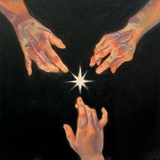
Image: Detail from The Red Book by C.G. Jung
Happy Winter Solstice one and all!
― Carl Jung
Image: Detail from The Red Book by C.G. Jung
Happy Winter Solstice one and all!
❤5👍2⚡1
The winter's darkest, longest night
has springtime faeries dreaming
in hollow trees, concealed from sight,
their skin caressed by gentle light;
The crescent moon's clear wisdom gleaming.
As the forest creaks and bends
to the breath of the rising storm,
the faeries' conscious dream extends
and reaches where the woodland ends,
where our supreme assemblies form.
We unite with intent to transmute our deeds,
and pledge for the ultimate, swift liberation
of every being, to fulfill all their needs;
We offer as incense dry herbs and fine weeds
and bow in true-hearted divine adoration.
With vigor our minds keep striking the air,
the wind thereat moves, the fire blazes,
and the rising red glistening embers bear
a vision of fierce, delightful and fair
spring spirits in dance wearing ash-colored hazes.
In time, their song will ring throughout
the hearts and woods and fields;
Their spells alleviate all doubt,
great joy their waking brings about;
The light returns.
The fire burns.
We turn to bliss what darkness yields.
has springtime faeries dreaming
in hollow trees, concealed from sight,
their skin caressed by gentle light;
The crescent moon's clear wisdom gleaming.
As the forest creaks and bends
to the breath of the rising storm,
the faeries' conscious dream extends
and reaches where the woodland ends,
where our supreme assemblies form.
We unite with intent to transmute our deeds,
and pledge for the ultimate, swift liberation
of every being, to fulfill all their needs;
We offer as incense dry herbs and fine weeds
and bow in true-hearted divine adoration.
With vigor our minds keep striking the air,
the wind thereat moves, the fire blazes,
and the rising red glistening embers bear
a vision of fierce, delightful and fair
spring spirits in dance wearing ash-colored hazes.
In time, their song will ring throughout
the hearts and woods and fields;
Their spells alleviate all doubt,
great joy their waking brings about;
The light returns.
The fire burns.
We turn to bliss what darkness yields.
❤🔥1❤1
Radical Middle Path pinned «The winter's darkest, longest night has springtime faeries dreaming in hollow trees, concealed from sight, their skin caressed by gentle light; The crescent moon's clear wisdom gleaming. As the forest creaks and bends to the breath of the rising storm, the…»
Forwarded from Mana of Moria (Fauna)
May you find peace in the promise of the solstice night
That each day forward is blessed with more light.
That the cycle of nature, unbroken and true
Brings faith to your soul and well-being to you.
Rejoice in the darkness, in the silence find rest
And may the days that follow be abundantly blessed.
That each day forward is blessed with more light.
That the cycle of nature, unbroken and true
Brings faith to your soul and well-being to you.
Rejoice in the darkness, in the silence find rest
And may the days that follow be abundantly blessed.
🔥2❤1
Merry Christmas, everyone!
I hope you had and continue to have blessed, joyful days with those who are near and dear to you. ❤️🔥🎄
I hope you had and continue to have blessed, joyful days with those who are near and dear to you. ❤️🔥🎄
❤7🙏1🎄1
Forwarded from Vajrarastra
"Lama Dawa Rinpoche used to say Santa [Claus] is none other than Vaishravana, the king of the northern direction, who is known as the god of wealth, surrounded by his retinue of yakshas (dwarves), and living in the northernmost realm.
Offerings used to be placed at trees associated with Vaishravana in hopes he would grant wishes and bestow wealth (now we make offerings of cookies and milk to Santa). The christmas tree is the 'Wish-fulfilling tree' and Santa's seed syllable is HO."
~ Kunzang Dechen Chodron
Offerings used to be placed at trees associated with Vaishravana in hopes he would grant wishes and bestow wealth (now we make offerings of cookies and milk to Santa). The christmas tree is the 'Wish-fulfilling tree' and Santa's seed syllable is HO."
~ Kunzang Dechen Chodron
❤1🥰1
Media is too big
VIEW IN TELEGRAM
POV: you were just born from a pristine expansive rose into the realm of the Father of Clear Light. The sky above you is illuminated by his glory; the great omniscient protector is watching over you.
This is what you hear upon rising from the delicate blossom as the enlightened ones welcome you to the Pure Lands of the West.
Manifest as Kings they bring offerings of frankincense, myrrh and gold to the soft fragrant flower in which you lay and say:
O my deir hert, young Jesus sweit
Prepare thy creddil in my spreit
And I sall rock thee in my hert
And never mair from thee depart
But I sall praise thee evermoir
With sangis sweit unto thy gloir;
The knees of my heart sall I bow
And sing that richt Balulalow!
You smile at them and bless their hearts. All beings experience bliss free from sorrow.
It is made known from here on out: Rejoice! The savior is born!
This is what you hear upon rising from the delicate blossom as the enlightened ones welcome you to the Pure Lands of the West.
Manifest as Kings they bring offerings of frankincense, myrrh and gold to the soft fragrant flower in which you lay and say:
O my deir hert, young Jesus sweit
Prepare thy creddil in my spreit
And I sall rock thee in my hert
And never mair from thee depart
But I sall praise thee evermoir
With sangis sweit unto thy gloir;
The knees of my heart sall I bow
And sing that richt Balulalow!
You smile at them and bless their hearts. All beings experience bliss free from sorrow.
It is made known from here on out: Rejoice! The savior is born!
❤🔥6🔥1
Radical Middle Path
Photo
In diesem Gebet werden vier wichtige Grundprinzipien wiedergegeben:
1) Wer Angst hat, legt sich selbst Steine in den Weg.
2) Wer Großes erwartet, wird enttäuscht.
3) Wer in Weisheit und Liebe lebt, dem steht jede Tür offen.
4) Wer sich bewusst (etwa durch ein Gebet) an diese Mechanismen erinnert, kann sich selbst in seiner Lage erkennen.
Kernaussagen:
Wir sollten nach dem Höchsten streben, nicht aus Angst vor Qualen, Krankheit oder Tod; genauso wenig aus Zielfixiertheit auf das eine, erlösende Ereignis, eine Errungenschaft, einen Sieg. Beides wird das Gegenteil von Befreiung bewirken, denn wer sich zu Tode ängstigt und wer sich wie besessen an einem Ideal festklammert, wird rigide und unbeweglich. Stagnation jeder Art ist ein Gefängnis, das uns von der ersehnten Erlösung, und damit von Gott, trennt.
Mit der Bitte um Gottes Zorn und Strenge helfen wir uns selbst auf die Sprünge:
"Wirf mich in die Hölle"
Wenn wir im übertragenen Sinn im Höllenfeuer schmoren, ist das ein Hinweis darauf, dass wir nicht mutig in das Gesicht des Dämons geblickt haben, der uns umtreibt. Wir haben uns unserer Angst, unserem Schatten oder einer Schwäche nicht gestellt.
"Verschließe vor mir die Tore zum Himmelreich"
Wenn wir im Leben vor verschlossenen Toren stehen und Erfolge oder Durchbrüche fortwährend unerreichbar scheinen; wenn sie nur unter enormer Anstrengung und existenziellen, gesundheitlichen oder seelischen Einbußen eintreten; wenn Erfolge nur von kurzer Dauer sind, deutet das darauf hin, dass unser Verlangen nach Kontrolle zu groß ist. Wir halten zu sehr an Wertevorstellungen, Codices, Selbst- und Weltbild fest.
Das, was man im alltäglichen Sprachgebrauch als Gott oder göttlich bezeichnet, übersteigt Form und Regel. Es übersteigt die Grenzen dessen, was mit Worten zu beschreiben ist.
Das göttliche Prinzip wirkt auf nonverbaler, unmittelbar erfahrbarer Ebene und teilt sich dementsprechend mit:
Angst vor Leid verursacht leidvolle Erfahrungen.
Festklammern an Seligkeit verursacht leidvolle Erfahrungen.
Gefestigt und ruhig in Liebe, Mitgefühl und Weisheit (Bodhicitta), kann über die irdische Wahrnehmung hinausgeschritten und Erkenntnis erlangt werden. Dabei wird das Schicksal vom Gräuel und Leid der Hölle abgewandt und auf den Weg ausgerichtet, der zur Glückseligkeit führt.
Das Gebet verbindet einen Verstoß gegen Bodhicitta mit göttlicher Strafe. Dadurch erinnert es daran, den Fokus der Aufmerksamkeit auf die Folgen vergangenen Handelns zu richten.
Es erinnert uns daran, dass wir ein Leben lang lernen und wachsen. Wenn der Weg beschwerlich wird und nicht "nach Plan" läuft, dann ist das ein Ausdruck des universell gültigen göttlichen Gesetzes, insofern als komplexe Kausalketten ein mehr oder weniger wünschenswertes Ergebnis hervorbringen. Das Resultat gibt uns unter Anderem Auskunft über den Stellenwert, den das Ego bezieht. Dort, wo wir anfangen zu hadern, gibt es etwas zu lernen.
Wir erkennen das Prinzip und gehorchen, oder zahlen Lehrgeld.
Wer's nicht hört, muss fühlen.
1) Wer Angst hat, legt sich selbst Steine in den Weg.
2) Wer Großes erwartet, wird enttäuscht.
3) Wer in Weisheit und Liebe lebt, dem steht jede Tür offen.
4) Wer sich bewusst (etwa durch ein Gebet) an diese Mechanismen erinnert, kann sich selbst in seiner Lage erkennen.
Kernaussagen:
Wir sollten nach dem Höchsten streben, nicht aus Angst vor Qualen, Krankheit oder Tod; genauso wenig aus Zielfixiertheit auf das eine, erlösende Ereignis, eine Errungenschaft, einen Sieg. Beides wird das Gegenteil von Befreiung bewirken, denn wer sich zu Tode ängstigt und wer sich wie besessen an einem Ideal festklammert, wird rigide und unbeweglich. Stagnation jeder Art ist ein Gefängnis, das uns von der ersehnten Erlösung, und damit von Gott, trennt.
Mit der Bitte um Gottes Zorn und Strenge helfen wir uns selbst auf die Sprünge:
"Wirf mich in die Hölle"
Wenn wir im übertragenen Sinn im Höllenfeuer schmoren, ist das ein Hinweis darauf, dass wir nicht mutig in das Gesicht des Dämons geblickt haben, der uns umtreibt. Wir haben uns unserer Angst, unserem Schatten oder einer Schwäche nicht gestellt.
"Verschließe vor mir die Tore zum Himmelreich"
Wenn wir im Leben vor verschlossenen Toren stehen und Erfolge oder Durchbrüche fortwährend unerreichbar scheinen; wenn sie nur unter enormer Anstrengung und existenziellen, gesundheitlichen oder seelischen Einbußen eintreten; wenn Erfolge nur von kurzer Dauer sind, deutet das darauf hin, dass unser Verlangen nach Kontrolle zu groß ist. Wir halten zu sehr an Wertevorstellungen, Codices, Selbst- und Weltbild fest.
Das, was man im alltäglichen Sprachgebrauch als Gott oder göttlich bezeichnet, übersteigt Form und Regel. Es übersteigt die Grenzen dessen, was mit Worten zu beschreiben ist.
Das göttliche Prinzip wirkt auf nonverbaler, unmittelbar erfahrbarer Ebene und teilt sich dementsprechend mit:
Angst vor Leid verursacht leidvolle Erfahrungen.
Festklammern an Seligkeit verursacht leidvolle Erfahrungen.
Gefestigt und ruhig in Liebe, Mitgefühl und Weisheit (Bodhicitta), kann über die irdische Wahrnehmung hinausgeschritten und Erkenntnis erlangt werden. Dabei wird das Schicksal vom Gräuel und Leid der Hölle abgewandt und auf den Weg ausgerichtet, der zur Glückseligkeit führt.
Das Gebet verbindet einen Verstoß gegen Bodhicitta mit göttlicher Strafe. Dadurch erinnert es daran, den Fokus der Aufmerksamkeit auf die Folgen vergangenen Handelns zu richten.
Es erinnert uns daran, dass wir ein Leben lang lernen und wachsen. Wenn der Weg beschwerlich wird und nicht "nach Plan" läuft, dann ist das ein Ausdruck des universell gültigen göttlichen Gesetzes, insofern als komplexe Kausalketten ein mehr oder weniger wünschenswertes Ergebnis hervorbringen. Das Resultat gibt uns unter Anderem Auskunft über den Stellenwert, den das Ego bezieht. Dort, wo wir anfangen zu hadern, gibt es etwas zu lernen.
Wir erkennen das Prinzip und gehorchen, oder zahlen Lehrgeld.
Wer's nicht hört, muss fühlen.
❤2
Radical Middle Path
Photo
O Lord, when I turn to you afraid of hell, throw me into its fire.
When I turn to you hoping for paradise, lock its doors before me.
But if I come to you on grounds of love, don't withhold your divine beauty.
This prayer paraphrases four axioms:
1) He who is afraid places obstacles in his own path.
2) He who expects/demands big things will be disappointed.
3) To him who lives within wisdom and love all doors are open.
4) He who consciously remembers these mechanisms (e.g. by means of a prayer) can recognize his own situation and develop self-awareness.
Core conclusions:
While aspiring to achieve greatness, we shall not aspire out of fear. We shall strive unafraid of torture and suffering, illness and death, as well as unattached to set goals, to relief or victory.
Both fear and attachment will lead to the opposite of liberation because both those worrying and those grasping turn rigid and immobile. Such stagnation is a prison that separates us from the liberation that we so deeply long for. Thereby, it separates us from God.
By asking for the Wrath of God, we jog our own memory. With the help of punishment we can learn to see patterns of cause and effect (karma):
"Throw me into hell's fire"
Metaphorically smoldering in the pits of hell in one's life is a hint that we have been hiding from our demons. We haven't faced our fears, shadows and weaknesses.
"Lock the doors of paradise"
If life keeps its doors locked, successes and breakthroughs seem inaccessible. They might only come paired with enormous exertion and considerable existential, health-related or spiritual losses. They may not last for long. All this points at an excessive desire to control and clutch onto values, codices, self-image and worldview.
What we call God transcends the boundaries of language and concept. God operates nonverbally and can be directly experienced:
Fear of suffering creates experiences of suffering.
Grasping for bliss creates experiences of suffering.
But resting within love, compassion and wisdom (Bodhicitta), one can transcend the mundane view of the world (and attain enlightenment), thereby turning fate from the dread and agony of hell to generating the causes for bliss.
By linking all transgressions of Bodhicitta to experiences of divine punishment, the prayer instills a reminder that guides the focus of attention to the consequences of past actions.
This prayer reminds us that life's a learning journey. If things don't go "your way", it's the divine principle at work, pointing at Ego. Complex cause and effect chains are bringing rise to a more or less desirable result and there might be something to figure out about it.
The divine principle rules all aspects of life. We either recognize and obey or find out the hard way.
He that will not hear must feel.
❤3❤🔥2👍2🔥1
Forwarded from Aretḗs (Leeroy)
Your current life is a reflection of your past habits.
Your future will be a reflection of your current habits.
Your future will be a reflection of your current habits.
❤🔥3
Radical Middle Path pinned «O Lord, when I turn to you afraid of hell, throw me into its fire. When I turn to you hoping for paradise, lock its doors before me. But if I come to you on grounds of love, don't withhold your divine beauty. This prayer paraphrases four axioms: 1) He who…»