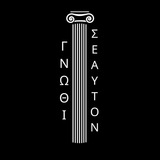
The Golden Verses of Pythagoras 11 - 20
11. Do nothing evil, neither in the presence of others, nor privately;
12. But above all things respect yourself.
13. In the next place, observe justice in your actions and in your words.
14. And do not accustom yourself to behave yourself in any thing without rule, and without reason.
15. But always make this reflection, that it is ordained by destiny that all men shall die.
16. And that the goods of fortune are uncertain; and that just as they may be acquired, they may likewise be lost.
17. Concerning all the calamities that men suffer by divine fortune,
18. Support your lot with patience, it is what it may be, and never complain at it.
19. But endeavour what you can to remedy it.
20. And consider that fate does not send the greatest portion of these misfortunes to good men.
11. Do nothing evil, neither in the presence of others, nor privately;
12. But above all things respect yourself.
13. In the next place, observe justice in your actions and in your words.
14. And do not accustom yourself to behave yourself in any thing without rule, and without reason.
15. But always make this reflection, that it is ordained by destiny that all men shall die.
16. And that the goods of fortune are uncertain; and that just as they may be acquired, they may likewise be lost.
17. Concerning all the calamities that men suffer by divine fortune,
18. Support your lot with patience, it is what it may be, and never complain at it.
19. But endeavour what you can to remedy it.
20. And consider that fate does not send the greatest portion of these misfortunes to good men.
The Golden Verses of Pythagoras 21 - 30
21. There are many sorts of reasonings among men, good and bad;
22. Do not admire them too easily, nor reject them.
23. But if falsehoods are advanced, hear them with mildness, and arm yourself with patience.
24. Observe well, on every occasion, what I am going to tell you:
25. Do not let any man either by his words, or by his deeds, ever seduce you.
26. Nor lure you to say or to do what is not profitable for yourself.
27. Consult and deliberate before you act, that you may not commit foolish actions.
28. For it is the part of a miserable man to speak and to act without reflection.
29. But do the thing which will not afflict you afterwards, nor oblige you to repentance.
30. Never do anything which you do not understand.
21. There are many sorts of reasonings among men, good and bad;
22. Do not admire them too easily, nor reject them.
23. But if falsehoods are advanced, hear them with mildness, and arm yourself with patience.
24. Observe well, on every occasion, what I am going to tell you:
25. Do not let any man either by his words, or by his deeds, ever seduce you.
26. Nor lure you to say or to do what is not profitable for yourself.
27. Consult and deliberate before you act, that you may not commit foolish actions.
28. For it is the part of a miserable man to speak and to act without reflection.
29. But do the thing which will not afflict you afterwards, nor oblige you to repentance.
30. Never do anything which you do not understand.
The Golden Verses of Pythagoras 31 - 39
31. But learn all you ought to know, and by that means you will lead a very pleasant life.
32. In no way neglect the health of your body;
33. But give it drink and food in due measure, and also the exercise of which it needs.
34. Now by measure I mean what will not discomfort you.
35. Accustom yourself to a way of living that is neat and decent without luxury.
36. Avoid all things that will occasion envy.
37. And do not be prodigal out of season, like someone who does not know what is decent and honourable.
38. Neither be covetous nor stingy; a due measure is excellent in these things.
39. Only do the things that cannot hurt you, and deliberate before you do them.
31. But learn all you ought to know, and by that means you will lead a very pleasant life.
32. In no way neglect the health of your body;
33. But give it drink and food in due measure, and also the exercise of which it needs.
34. Now by measure I mean what will not discomfort you.
35. Accustom yourself to a way of living that is neat and decent without luxury.
36. Avoid all things that will occasion envy.
37. And do not be prodigal out of season, like someone who does not know what is decent and honourable.
38. Neither be covetous nor stingy; a due measure is excellent in these things.
39. Only do the things that cannot hurt you, and deliberate before you do them.
The Golden Verses of Pythagoras 40 - 51
40. Never allow sleep to close your eyelids, after you’ve gone to bed,
41. Until you have examined all your actions of the day by your reason.
42. In what have I done wrong? What have I done? What have I omitted that I ought to have done?
43. If in this examination you find that you have done wrong, reprove yourself severely for it;
44. And if you have done any good, rejoice.
45. Practise thoroughly all these things; meditate on them well; you ought to love them with all your heart.
46. It is those that will put you in the way of divine virtue.
47. I swear it by he who has transmitted into our souls the Sacred Quaternion, the source of nature, whose cause is eternal.
48. But never begin to set your hand to any work, until you have first prayed the gods to accomplish what you are going to begin.
49. When you have made this habit familiar to you,
50. You will know the constitution of the Immortal Gods and of men.
51. Even how far the different beings extend, and what contains and binds them together.
40. Never allow sleep to close your eyelids, after you’ve gone to bed,
41. Until you have examined all your actions of the day by your reason.
42. In what have I done wrong? What have I done? What have I omitted that I ought to have done?
43. If in this examination you find that you have done wrong, reprove yourself severely for it;
44. And if you have done any good, rejoice.
45. Practise thoroughly all these things; meditate on them well; you ought to love them with all your heart.
46. It is those that will put you in the way of divine virtue.
47. I swear it by he who has transmitted into our souls the Sacred Quaternion, the source of nature, whose cause is eternal.
48. But never begin to set your hand to any work, until you have first prayed the gods to accomplish what you are going to begin.
49. When you have made this habit familiar to you,
50. You will know the constitution of the Immortal Gods and of men.
51. Even how far the different beings extend, and what contains and binds them together.
The Golden Verses of Pythagoras 52 - 60
52. You shall likewise know that according to Law, the nature of this universe is in all things alike,
53. So that you shall not hope what you ought not to hope; and nothing in this world shall be hidden from you.
54. You will likewise know, that men draw upon themselves their own misfortunes voluntarily, and of their own free choice.
55. Unhappy they are! They neither see nor understand that their good is near them.
56. Few know how to deliver themselves out of their misfortunes.
57. Such is the fate that blinds humankind, and takes away his senses.
58. Like huge cylinders they roll back and forth, and always oppressed with innumerable ills.
59. For fatal strife, natural, pursues them everywhere, tossing them up and down; nor do they perceive it.
60. Instead of provoking and stirring it up, they ought to avoid it by yielding.
52. You shall likewise know that according to Law, the nature of this universe is in all things alike,
53. So that you shall not hope what you ought not to hope; and nothing in this world shall be hidden from you.
54. You will likewise know, that men draw upon themselves their own misfortunes voluntarily, and of their own free choice.
55. Unhappy they are! They neither see nor understand that their good is near them.
56. Few know how to deliver themselves out of their misfortunes.
57. Such is the fate that blinds humankind, and takes away his senses.
58. Like huge cylinders they roll back and forth, and always oppressed with innumerable ills.
59. For fatal strife, natural, pursues them everywhere, tossing them up and down; nor do they perceive it.
60. Instead of provoking and stirring it up, they ought to avoid it by yielding.
In God there is no sort of wrong whatsoever; he is supremely just, and the thing most like him is the man who has become as just as it lies in human nature to be. And it is here that we see whether a man is truly able, or truly a weakling and a nonentity; for it is the realization of this that is genuine wisdom and goodness, while the failure to realize it is manifest folly and wickedness.
Plato, Theaetetus 176c
Plato, Theaetetus 176c
Just as the cosmos is created by divinity through Order, so we, if we Order our minds, are participating in this creation.
The philosopher - the seeker of wisdom - is the re-creator of the cosmos and an instrument of the furtherance of divine Order.
The philosopher - the seeker of wisdom - is the re-creator of the cosmos and an instrument of the furtherance of divine Order.
This is a photo of a cave looking out into the sunlight. In Plato, the cave is a metaphor of ignorance, and ‘enlightenment’ is in escaping the cave to see the pure sunlight.
The Golden Verses of Pythagoras 61 - 71
61. Oh! Jupiter, our Father! If you would deliver men from all the evils that oppress them,
62. Show them of what daemon they make use.
63. But take courage; the race of humans is divine.
64. Sacred nature reveals to them the most hidden mysteries.
65. If she impart to you her secrets, you will easily perform all the things which I have ordained thee.
66. And by the healing of your soul, you will deliver it from all evils, from all afflictions.
67. But you should abstain from the meats, which we have forbidden in the purifications and in the deliverance of the soul;
68. Make a just distinction of them, and examine all things well.
69. Leave yourself always to be guided and directed by the understanding that comes from above, and that ought to hold the reins.
70. And when, after having deprived yourself of your mortal body, you arrive at the most pure Aither,
71. You shall be a God - immortal, incorruptible - and Death shall have no more dominion over you.
61. Oh! Jupiter, our Father! If you would deliver men from all the evils that oppress them,
62. Show them of what daemon they make use.
63. But take courage; the race of humans is divine.
64. Sacred nature reveals to them the most hidden mysteries.
65. If she impart to you her secrets, you will easily perform all the things which I have ordained thee.
66. And by the healing of your soul, you will deliver it from all evils, from all afflictions.
67. But you should abstain from the meats, which we have forbidden in the purifications and in the deliverance of the soul;
68. Make a just distinction of them, and examine all things well.
69. Leave yourself always to be guided and directed by the understanding that comes from above, and that ought to hold the reins.
70. And when, after having deprived yourself of your mortal body, you arrive at the most pure Aither,
71. You shall be a God - immortal, incorruptible - and Death shall have no more dominion over you.
The Classical Wisdom Tradition pinned «Just as the cosmos is created by divinity through Order, so we, if we Order our minds, are participating in this creation. The philosopher - the seeker of wisdom - is the re-creator of the cosmos and an instrument of the furtherance of divine Order.»
Here are some takeaways from the Golden Verses, all of which are posted above. Remember, the Golden Verses were very influential in antiquity, and though they were Pythagorean, they were used by the Platonists.
- We are to honor all levels of divinity (from gods to lesser divinities), as well as our parents and family.
- We are to avoid petty resentments, control our appetites and emotions, and seek moral perfection.
- Act according to reason and understanding, and allow yourself to be guided by divine wisdom.
- Take care of your health. Exercise. And live a simple life free of frivolous luxuries.
- Morally examine yourself every night before bed.
- Pray to the gods before any undertaking.
- Most of your troubles are caused by you or by your understanding of things.
- We are to honor all levels of divinity (from gods to lesser divinities), as well as our parents and family.
- We are to avoid petty resentments, control our appetites and emotions, and seek moral perfection.
- Act according to reason and understanding, and allow yourself to be guided by divine wisdom.
- Take care of your health. Exercise. And live a simple life free of frivolous luxuries.
- Morally examine yourself every night before bed.
- Pray to the gods before any undertaking.
- Most of your troubles are caused by you or by your understanding of things.
And raising his hands, the son of Atreus prayed aloud for all:
"Father Zeus, ruling from Mount Ida, most glorious and greatest,
and thou the Sun, who oversees and overhears all things,
and Rivers and Earth, and those of you beneath the earth
who take vengeance on men who have died, on whomever has sworn false oath -
you be witnesses, you guard these trusted oaths.
If Alexandros kills Menelaos,
let him then have Helen and all her possessions,
and we return home in our seagoing ships;
but if fair-haired Menelaos kills Alexandros,
then the Trojans must give back Helen and all her possessions,
and pay recompense to the Argives, whatever is proper,
and which will stand even for men who come hereafter.
And if Priam and the sons of Priam are unwilling
to pay me recompense, should Alexandros fall,
then I will surely fight for compensation,
remaining here, until I reach the conclusion of this war."
He spoke, and cut the throats of the sheep with the pitiless bronze.
And he deposited them gasping on the earth,
their life force failing, as the bronze took their strength,
and drawing wine from the bowl in cups
they poured libations and prayed to the immortal gods.
and thus would a man speak, both Trojan and Achaean:
"Zeus most glorious and greatest, and all you immortal gods,
those who first do harm in violation of the sacred treaty - on whichever side they be -
may their brains flow - thus - upon the ground, like this wine,
and the brains of their children, and may their wives be forced by other men."
So they spoke; but the son of Cronus did not accomplish this for them.
Homer, The Iliad, 3.275-302
"Father Zeus, ruling from Mount Ida, most glorious and greatest,
and thou the Sun, who oversees and overhears all things,
and Rivers and Earth, and those of you beneath the earth
who take vengeance on men who have died, on whomever has sworn false oath -
you be witnesses, you guard these trusted oaths.
If Alexandros kills Menelaos,
let him then have Helen and all her possessions,
and we return home in our seagoing ships;
but if fair-haired Menelaos kills Alexandros,
then the Trojans must give back Helen and all her possessions,
and pay recompense to the Argives, whatever is proper,
and which will stand even for men who come hereafter.
And if Priam and the sons of Priam are unwilling
to pay me recompense, should Alexandros fall,
then I will surely fight for compensation,
remaining here, until I reach the conclusion of this war."
He spoke, and cut the throats of the sheep with the pitiless bronze.
And he deposited them gasping on the earth,
their life force failing, as the bronze took their strength,
and drawing wine from the bowl in cups
they poured libations and prayed to the immortal gods.
and thus would a man speak, both Trojan and Achaean:
"Zeus most glorious and greatest, and all you immortal gods,
those who first do harm in violation of the sacred treaty - on whichever side they be -
may their brains flow - thus - upon the ground, like this wine,
and the brains of their children, and may their wives be forced by other men."
So they spoke; but the son of Cronus did not accomplish this for them.
Homer, The Iliad, 3.275-302
❤1
There is no necessary conflict between ethnic religion and universal truth.
What is true, is true universally. A religious truth-claim, then, is universally true and may be just as applicable to all people as to any particular one.
But this universality of truth does nothing to delegitimize an ethnic story of human-divine relationship or the texture of spiritual life expressed by a people. Their unique spiritual project is untouched by this. It is important to understand this because it suggests two things: that we should respect the traditions of others, and that the direction and nature of our religion must be chosen by us, guided by our gods.
What is true, is true universally. A religious truth-claim, then, is universally true and may be just as applicable to all people as to any particular one.
But this universality of truth does nothing to delegitimize an ethnic story of human-divine relationship or the texture of spiritual life expressed by a people. Their unique spiritual project is untouched by this. It is important to understand this because it suggests two things: that we should respect the traditions of others, and that the direction and nature of our religion must be chosen by us, guided by our gods.
Pythagorean_Nightly_Self_Assessment - version3.pdf
246.8 KB
For convenience, I have created a simple nightly journal template structured around the Golden Verses of Pythagoras. We all know the power of writing things down, and there is no doubt that making this exercise of positive self-reflection a habit will have a great impact on your life. Each day is accompanied by a verse. Please share with anyone you think would like it.
'The focus is not on being exempt from moral error, but on being god.'
Plotinus, The Enneads, I.2.6
From Thomas Taylor:
"That is, to be a God according to a similitude to divinity itself. For through this similitude, good men are also called by Plato Gods."
This is a critically important point: that we are not to be primarily avoidant in moral perspective, but rather we are to be constantly seeking to model ourselves according to divinity.
Plotinus, The Enneads, I.2.6
From Thomas Taylor:
"That is, to be a God according to a similitude to divinity itself. For through this similitude, good men are also called by Plato Gods."
This is a critically important point: that we are not to be primarily avoidant in moral perspective, but rather we are to be constantly seeking to model ourselves according to divinity.
Forwarded from Pagan Places
Temple of Apollo Epikourios
Discover this pagan place at https://paganplaces.com/places/temple-of-apollo-epikourios/
#EuropeanPaganism
Discover this pagan place at https://paganplaces.com/places/temple-of-apollo-epikourios/
#EuropeanPaganism
Pagan Places
Temple of Apollo Epikourios • Pagan Places
The well-preserved Temple of Apollo Epikourios was constructed sometime in the mid-400s BCE. The temple is dedicated to Apollo Epikourios ("Apollo the Helper").
Tomorrow I will begin a series from the Handbook of Epictetus. The Handbook was an enormously influential text written in the 120s CE and was, like the Golden Verses of Pythagoras, used as part of a sort of beginner’s curriculum by the late Platonists.
❤1
“Some things are in our control and others not.
...Work, therefore to be able to say to every harsh appearance, ‘You are but an appearance, and not absolutely the thing you appear to be.’ And then examine it by those rules which you have, and first, and chiefly, by this: whether it concerns the things which are in our own control, or those which are not; and, if it concerns anything not in our control, be prepared to say that it is nothing to you.”
Epictetus, The Handbook, 1
You have control over “opinion, pursuit, desire, aversion, and, in a word, whatever are our own actions.” If you concern yourself with things outside your control, you will be miserable.
...Work, therefore to be able to say to every harsh appearance, ‘You are but an appearance, and not absolutely the thing you appear to be.’ And then examine it by those rules which you have, and first, and chiefly, by this: whether it concerns the things which are in our own control, or those which are not; and, if it concerns anything not in our control, be prepared to say that it is nothing to you.”
Epictetus, The Handbook, 1
You have control over “opinion, pursuit, desire, aversion, and, in a word, whatever are our own actions.” If you concern yourself with things outside your control, you will be miserable.
"Any man whom you see resenting death was not a lover of wisdom but a lover of the body, and also a lover of wealth or of honors, either or both."
Plato, Phaedo, 68c
Plato, Phaedo, 68c
🔥1
Remember the cardinal virtues:
Justice
Wisdom
Self-control
Courage
Justice
Wisdom
Self-control
Courage
"Concerning all the calamities that men suffer by divine fortune, support your lot with patience - it is what it may be - and never complain at it. But endeavor what you can to remedy it."
The Golden Verses of Pythagoras, 17 - 19
The Golden Verses of Pythagoras, 17 - 19