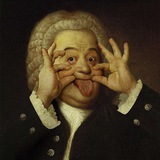
random “weird” video drop 🍄😮
https://www.youtube.com/watch?v=pF6qeCzZ_0A
https://www.youtube.com/watch?v=pF6qeCzZ_0A
YouTube
Why Composers Like Mushrooms
🍄 Support the channel:
🍄 https://lentovivace.bandcamp.com
🍄 https://www.patreon.com/classicalnerd
📚 Sources/further reading:
https://www.artsy.net/article/artsy-editorial-experimental-artist-john-cage-obsessed-mushrooms
https://www.vogue.com/article/haute…
🍄 https://lentovivace.bandcamp.com
🍄 https://www.patreon.com/classicalnerd
📚 Sources/further reading:
https://www.artsy.net/article/artsy-editorial-experimental-artist-john-cage-obsessed-mushrooms
https://www.vogue.com/article/haute…
发现久石让也写一些跟大众认知不同的东西哦~
https://www.youtube.com/watch?v=4KbOzlNXwts&list=OLAK5uy_k81ZaD-P9VgnjRtoiTZzLhy9i-8XjrAig
https://www.youtube.com/watch?v=4KbOzlNXwts&list=OLAK5uy_k81ZaD-P9VgnjRtoiTZzLhy9i-8XjrAig
YouTube
Contrabass Concerto Movement 1 (Live)
Provided to YouTube by Universal Music Group
Contrabass Concerto Movement 1 (Live) · Joe Hisaishi
MinimalRhythm IV
℗ A UNIVERSAL SIGMA release; ℗ 2017 Wonder City Inc.
Released on: 2021-07-07
Producer, Associated Performer, Orchestra Contractor: Joe…
Contrabass Concerto Movement 1 (Live) · Joe Hisaishi
MinimalRhythm IV
℗ A UNIVERSAL SIGMA release; ℗ 2017 Wonder City Inc.
Released on: 2021-07-07
Producer, Associated Performer, Orchestra Contractor: Joe…
Forwarded from Classical Music (🧙♀️Albus Dumbledore)
鄙人这两天压力山大,于是今天分享一首有点可爱的,Rage Over a Lost Penny
https://www.youtube.com/watch?v=8F8r_Vrd674
完整版请戳这里:https://www.youtube.com/watch?v=8XFMZs_7nOA
#Beethember #Beethoven
P.S 想加入我们群聊的朋友请戳这里:https://news.1rj.ru/str/exploreclassicalchat
https://www.youtube.com/watch?v=8F8r_Vrd674
完整版请戳这里:https://www.youtube.com/watch?v=8XFMZs_7nOA
#Beethember #Beethoven
P.S 想加入我们群聊的朋友请戳这里:https://news.1rj.ru/str/exploreclassicalchat
YouTube
Beethoven " Rage Over A Lost Penny"
3D Animated Short about a typical day in the life of Beethoven.
FullHd Version:
https://youtu.be/Le8mmxKrlIw
FullHd Version:
https://youtu.be/Le8mmxKrlIw
今天发现Bernstein写过的一套钢琴曲Seven Anniversaries,每一首对应他生命中重要的一个人,还蛮有意思的~
https://www.youtube.com/watch?v=cIaOrNB1piA
#piano
ref: https://en.wikipedia.org/wiki/Seven_Anniversaries
https://www.youtube.com/watch?v=cIaOrNB1piA
#piano
ref: https://en.wikipedia.org/wiki/Seven_Anniversaries
YouTube
Bernstein Seven Anniversaries - L.Bernstein, piano
Bernstein Seven Anniversaries -
L.Bernstein, piano
(1947)
L.Bernstein, piano
(1947)
大家好~我回来啦~上周答辩结束,之后应该就会恢复比较频繁的更新了~也在思考可不可以做一个mini-series~
今天分享一首Gulda的Prelude and Fugue~Prelude感觉是有点model from Bach的Prelude in C的~而Fugue真是太酷了,难度超高~分享他自己弹的版本~
#piano #jazz #fugue
https://www.youtube.com/watch?v=B5qImtIYCvM
今天分享一首Gulda的Prelude and Fugue~Prelude感觉是有点model from Bach的Prelude in C的~而Fugue真是太酷了,难度超高~分享他自己弹的版本~
#piano #jazz #fugue
https://www.youtube.com/watch?v=B5qImtIYCvM
YouTube
Friedrich Gulda plays Gulda: Prelude and Fugue (1990)
On November 19th of 1990 Friedrich Gulda gave an encompassing account of his unique art in an uninterrupted 90-minute solo performance at the Philharmonie in Munich, Germany. LOFT music is proud to have presented and recorded this memorable musical event.…
Forwarded from 音乐小本本
YouTube
The 18th International Fryderyk Chopin Piano Competition (preliminary round), session 1, 20.07.2021
20.07.2021
Sala Kameralna Filharmonii Narodowej w Warszawie / Warsaw Philharmonic Chamber Hall
XVIII Międzynarodowy Konkurs Pianistyczny im. Fryderyka Chopina – Eliminacje – Dzień 9 – sesja 1 / The 18th International Fryderyk Chopin Piano Competition –…
Sala Kameralna Filharmonii Narodowej w Warszawie / Warsaw Philharmonic Chamber Hall
XVIII Międzynarodowy Konkurs Pianistyczny im. Fryderyka Chopina – Eliminacje – Dzień 9 – sesja 1 / The 18th International Fryderyk Chopin Piano Competition –…
好像说要回归分享但是最近还是没太分享哈哈哈~lose momentum之后再开启总是有些困难啊~
今天分享一首Max Bruch的Violin Concerto No.1 in G minor吧~估计大家都蛮熟悉的,是这位作曲家可能最出名的作品(?)以至于有一次又有人请他演出这首作品时,Bruch大怒道:
“The G-Minor Concerto again! I couldn’t bear to hear it even once more! My friends, play the Second Concerto, or the Scottish Fantasia for once!“
不过的确是很好听嘛🤣🤣🤣
#violinConcerto #bruch
https://www.youtube.com/watch?v=KDJ6Wbzgy3E
ref:
1. https://www.britannica.com/topic/Violin-Concerto-No-1-in-G-Minor-Op-26
2. https://www.laphil.com/musicdb/pieces/4499/violin-concerto-no-1-in-g-minor-op-26
今天分享一首Max Bruch的Violin Concerto No.1 in G minor吧~估计大家都蛮熟悉的,是这位作曲家可能最出名的作品(?)以至于有一次又有人请他演出这首作品时,Bruch大怒道:
“The G-Minor Concerto again! I couldn’t bear to hear it even once more! My friends, play the Second Concerto, or the Scottish Fantasia for once!“
不过的确是很好听嘛🤣🤣🤣
#violinConcerto #bruch
https://www.youtube.com/watch?v=KDJ6Wbzgy3E
ref:
1. https://www.britannica.com/topic/Violin-Concerto-No-1-in-G-Minor-Op-26
2. https://www.laphil.com/musicdb/pieces/4499/violin-concerto-no-1-in-g-minor-op-26
YouTube
Bruch: 1. Violinkonzert ∙ hr-Sinfonieorchester ∙ Hilary Hahn ∙ Andrés Orozco-Estrada
Max Bruch:
1. Violinkonzert ∙
(Auftritt) 00:00 ∙
I. Vorspiel. Allegro moderato 00:36 ∙
II. Adagio 09:15 ∙
III. Finale. Allegro energico 17:32 ∙
hr-Sinfonieorchester – Frankfurt Radio Symphony ∙
Hilary Hahn, Violine ∙
Andrés Orozco-Estrada, Dirigent…
1. Violinkonzert ∙
(Auftritt) 00:00 ∙
I. Vorspiel. Allegro moderato 00:36 ∙
II. Adagio 09:15 ∙
III. Finale. Allegro energico 17:32 ∙
hr-Sinfonieorchester – Frankfurt Radio Symphony ∙
Hilary Hahn, Violine ∙
Andrés Orozco-Estrada, Dirigent…
分享Ching兄近日发现的一张收录Gulda和Gould作曲作品的一张专辑~
https://youtu.be/h51WMtM0E5c
https://youtu.be/h51WMtM0E5c
YouTube
Gould-Gulda (Full Album) played by Sasha Grynyuk
Tracklist Below:
Online purchase or streaming (Spotify, Amazon Music, Deezer, Google Play): https://PianoClassics.lnk.to/GouldGuldaPianoWorks
More Information: https://www.piano-classics.com/articles/g/gould-gulda-piano-works/
Piano Classics Spotify: ht…
Online purchase or streaming (Spotify, Amazon Music, Deezer, Google Play): https://PianoClassics.lnk.to/GouldGuldaPianoWorks
More Information: https://www.piano-classics.com/articles/g/gould-gulda-piano-works/
Piano Classics Spotify: ht…
分享Aaron Copland的Piano Variations,写于1930年。Bernstein很喜欢这首作品,而且用它来结束party🤣🤣🤣"empty the room, guaranteed, in two minutes"🤣🤣🤣
https://www.youtube.com/watch?v=i1-vIw_M-Qg
#copland
ref: https://en.wikipedia.org/wiki/Piano_Variations_(Copland)
https://www.youtube.com/watch?v=i1-vIw_M-Qg
#copland
ref: https://en.wikipedia.org/wiki/Piano_Variations_(Copland)
YouTube
Hamelin plays Copland - Piano Variations Audio + Sheet music
Aaron Copland's stark and angry Piano Variations, played by Marc-André Hamelin. As Leonard Bernstein once sagaciously remarked, it was "synonym for modern music — so prophetic, harsh and wonderful, and so full of modern feeling and thinking."
昨天看《哈佛六讲》第一讲提到了估计大家都很熟的Mozart的Symphony in G minor~Bernstein说到了“the beauty of ambiguity”还挺有意思的:大概是说Mozart的作曲非常chromatic,但是在chromatic的时候往往还是由diatonic为基底,实现了一种平衡的ambiguity~另外发现这曲子后面的乐章个人都完全不熟lol分享一下讲座中的这版录音~
https://m.youtube.com/watch?v=p8bZ7vm4_6M
https://m.youtube.com/watch?v=p8bZ7vm4_6M
YouTube
MOZART Symphony No 40 in G minor KV550 LEONARD BERNSTEIN
Mozart Symphony No.40 in G minor KV550
Leonard Bernstein (conductor)
Boston Symphony Orchestra
Leonard Bernstein (conductor)
Boston Symphony Orchestra
分享一个蛮有意思的视频,讲的是古典音乐界的“抄袭/借鉴”,里面有很多很有意思的例子!
https://www.youtube.com/watch?v=XepJPxPMdN4&list=WL&index=13&t=8s
https://www.youtube.com/watch?v=XepJPxPMdN4&list=WL&index=13&t=8s
YouTube
Can You Tell Which Composer is a Cheat?
How much of a role does borrowing, or indeed "stealing" play in being a creative artist? I look at a number of musical examples, many of whom are long established as 'greats' of the classical music canon. Do great artists really steal?
SUPPORT THE CHANNEL…
SUPPORT THE CHANNEL…
分享一首Vaughan Williams的Fantasia on a theme of Thomas Tallis~曲中Vaughan Williams化用16世纪英国文艺复兴时期作曲家Thomas Tallis的No.3 from Nine Tunes for Archbishop Parker’s Psalter, “Why fum’th in fight” (ref2). 这首作品的编制也很有趣,是double orchestra加一个string quartet~分享一个在Gloucester Cathedral的版本,这也是作品1910年首演的地方~
https://www.youtube.com/watch?v=ihx5LCF1yJY
ref:
1. https://en.wikipedia.org/wiki/Fantasia_on_a_Theme_by_Thomas_Tallis
2. https://www.kusc.org/culture/staff-blog/classical-california-ultimate-playlist/vaughan-williams-fantasia-on-a-theme-by-thomas-tallis/
3. https://www.wrti.org/post/story-behind-beloved-fantasia-theme-thomas-tallis
4. https://www.laphil.com/musicdb/pieces/1719/fantasia-on-a-theme-by-thomas-tallis
https://www.youtube.com/watch?v=ihx5LCF1yJY
ref:
1. https://en.wikipedia.org/wiki/Fantasia_on_a_Theme_by_Thomas_Tallis
2. https://www.kusc.org/culture/staff-blog/classical-california-ultimate-playlist/vaughan-williams-fantasia-on-a-theme-by-thomas-tallis/
3. https://www.wrti.org/post/story-behind-beloved-fantasia-theme-thomas-tallis
4. https://www.laphil.com/musicdb/pieces/1719/fantasia-on-a-theme-by-thomas-tallis
YouTube
Vaughan Williams Fantasia on a theme of Thomas Tallis HQ
Vaughan Williams Fantasia on a theme of Thomas Tallis.
The BBC Symphony Orchestra conducted by Andrew Davis at Gloucester Cathedral, where in 1910, it was played and conducted for the first time by composer Ralph Vaughan Williams.
This is possibly the finest…
The BBC Symphony Orchestra conducted by Andrew Davis at Gloucester Cathedral, where in 1910, it was played and conducted for the first time by composer Ralph Vaughan Williams.
This is possibly the finest…
刚刚看了个视频,讲的是Messiaen音乐中的色彩~Messiaen有连觉技能,听到音乐可以想到颜色,这在他的创作中发挥了很大作用,他也在他的书Traité de rythme, de couleurs, et d’ornithologie (vol. 7)中详细描述了各种音阶和和弦和颜色的对应关系。除了颜色之外他其实还可以想到一些材质,诸如水晶,立方体等等~挪威音乐家Håkon Austbø和Messiaen合作(ref 1),对他的这种连觉进行了可视化,开发了一种可以触法可视化的midi键盘,可以在现场演奏中制造对应的画面~
#messiaen
https://www.youtube.com/watch?v=uFt2szkRiGI
ref:
1. Visualizing Visions
#messiaen
https://www.youtube.com/watch?v=uFt2szkRiGI
ref:
1. Visualizing Visions
YouTube
What's the Colour of Music? Messiaen and Colour
Pre-order my new book! UK: https://shorturl.at/enn27 US: https://shorturl.at/4LIAP More info: https://www.barnabymartin.com/the-quiet
* Many composers over the years have claimed to experience synaesthesia, a condition where one sense is activated by experiencing…
* Many composers over the years have claimed to experience synaesthesia, a condition where one sense is activated by experiencing…
昨天Emerson String Quartet发布声明说他们2023年准备解散。分享他们的一张专辑, Bach的Art of Fugue~四重奏的rearrangement使声部格外清晰~
#bach #string
https://www.youtube.com/watch?v=3A8iR7cGHHQ&list=PLO6zBTEo45Qiwg_YBTj9PK4xnKxFmjheU
新闻:https://www.nytimes.com/2021/08/26/arts/music/emerson-string-quartet.html
#bach #string
https://www.youtube.com/watch?v=3A8iR7cGHHQ&list=PLO6zBTEo45Qiwg_YBTj9PK4xnKxFmjheU
新闻:https://www.nytimes.com/2021/08/26/arts/music/emerson-string-quartet.html
YouTube
J.S. Bach: Die Kunst der Fuge, BWV 1080: Contrapunctus I (Performed by String Quartet)
Provided to YouTube by Universal Music Group
J.S. Bach: Die Kunst der Fuge, BWV 1080: Contrapunctus I (Performed by String Quartet) · Emerson String Quartet · Johann Sebastian Bach
Bach, J.S.: The Art of Fugue - Emerson String Quartet
℗ 2003 Deutsche Grammophon…
J.S. Bach: Die Kunst der Fuge, BWV 1080: Contrapunctus I (Performed by String Quartet) · Emerson String Quartet · Johann Sebastian Bach
Bach, J.S.: The Art of Fugue - Emerson String Quartet
℗ 2003 Deutsche Grammophon…
分享一首Kabalevsky的preludes. Kabalevsky这套prelude 套曲跟chopin 啊, scriabin一样,也是二十四首,对应二十四个大小调。 历史上有很多音乐家都写过24个大小调的套曲。这里面有个有意思的点,就是同样是24个调,在套曲中的排列会不太一样。比如Bach 的 Well tempered clavier, 是按照“同名大小调”排列的,所以C major-后面接 c minor, 然后是C# major, C # minor. 不过历史中接着Bach这么干的是少数。多数作曲家是用“关系大小调”的顺序排列的, 比如Busoni, Chopin, Scriabin, Shostakovich, 还有我们一会要听的Kabalevsky 的prelude, 他们的排列都是,C major 后面接 a minor, 然后上升五度到G major -e minor。当然也有不按套路出牌的,比如Rachmaninoff。人家老人家的Prelude二十四首大概是抛着随机数写出来的。完全没有规律。 闲言少叙,我们听一下Horowitz的版本https://www.youtube.com/watch?v=qwDEsDp3qf8
YouTube
V. Horowitz - Prelude No. 1 in C major, Op. 38 (D. Kabalevsky) [1947]
Vladimir Horowitz plays Kabalevsky's first Little Prelude Op. 38.
Rec. April 26, 1947.
Rec. April 26, 1947.
今天开始开启一个Young People’s Concert分享计划~欢迎感兴趣的朋友一起观看交流指教🙏
第一期:What Does Music Mean?
概要
第一期伯恩斯坦介绍了音乐的意义。他先从“故事性”入手,通过给《堂吉诃德》和贝多芬的《田园交响曲》配以和作曲家本意不同的故事,说明音乐的意义并不是描述故事,对于有故事的作品,故事只是附加的。接下来他论述了音乐的“图画性”,举例为Picture at an Exhibition,图画性和故事性一样,也不是音乐意义之所在。最后谈到了音乐带来的情感,先从柴可夫斯基的第四和第五交响曲入手,展现音乐可以创造出的不同情感,后又用Webern的作品,说明音乐给人带来的情感因人而异,各有不同。最后的结论是,音乐是一种运动 (music is a movement), 在这种运动中蕴含了音乐的意义,即带给人情感。最后他提出建议,我们在欣赏音乐时只需要放松,仔细聆听音符和感受音乐的流动即可,不需要关注所谓的“故事”或者“图画”。
喜欢的quote
1. there is no limit to the different kinds of feelings music can make you have. And some of those feelings are so special and so deep they can’t even be described in words… every once in a while we have feelings so deep and so special that we have no words for them and that’s where music is so marvelous; because music names them for us, only in notes instead of in words
2. the meaning of music is in the music, in its melodies, and in the rhythms, and the harmonies, and the way it’s orchestrated, and most important of all, in the way it develops itself.
3. sit back and relax, and enjoy it, listen to the notes, and feel them move around
提到的曲目 (感谢夏日小灰的b站评论😝)
1. William Tell Overture Rossini
2. Chopin - Nocturne Op. 15 No. 2 in F-Sharp Major
3. Beethoven - Piano Sonata No. 21 in C major, Op. 53 Waldstein, Opening
4. The Blue Danube
5. Tales from the Vienna Woods
6. Don Quixote Richard Staruss(大战羊群/骑木马)
7. 6th Symphony (Pastorale) Beethoven
1. 1st mvmt Awakening of cheerful feelings on arriving in the country
2. 2nd mvmt By the brook
8. Pictures at an exhibition Mussorgsky 图画展览会 穆索尔斯基(钢琴) 拉威尔(配器)
1. 第三幅画:《杜伊勒里宫的花园The Tuileries Gardens》。穆索尔斯基为此曲加的副标题是孩子们游戏后的争吵。
2. 第五幅画:《鸟雏的舞蹈Ballet of the Chickens in their Shells》
3. 第十幅画:《基辅大门The Great Gate of Kiev》
9. Fourth Symphony Tchaikovsky
10. Fifth Symphony (beginning and end contrast) Tchaikovsky
11. Six Pieces - Webern
12. Schuman/Rozsa - Dragnet Theme
13. La Valse Ravel 拉威尔 圆舞曲
https://www.bilibili.com/video/BV1tJ411r7gh?spm_id_from=333.999.0.0
#YPC
第一期:What Does Music Mean?
概要
第一期伯恩斯坦介绍了音乐的意义。他先从“故事性”入手,通过给《堂吉诃德》和贝多芬的《田园交响曲》配以和作曲家本意不同的故事,说明音乐的意义并不是描述故事,对于有故事的作品,故事只是附加的。接下来他论述了音乐的“图画性”,举例为Picture at an Exhibition,图画性和故事性一样,也不是音乐意义之所在。最后谈到了音乐带来的情感,先从柴可夫斯基的第四和第五交响曲入手,展现音乐可以创造出的不同情感,后又用Webern的作品,说明音乐给人带来的情感因人而异,各有不同。最后的结论是,音乐是一种运动 (music is a movement), 在这种运动中蕴含了音乐的意义,即带给人情感。最后他提出建议,我们在欣赏音乐时只需要放松,仔细聆听音符和感受音乐的流动即可,不需要关注所谓的“故事”或者“图画”。
喜欢的quote
1. there is no limit to the different kinds of feelings music can make you have. And some of those feelings are so special and so deep they can’t even be described in words… every once in a while we have feelings so deep and so special that we have no words for them and that’s where music is so marvelous; because music names them for us, only in notes instead of in words
2. the meaning of music is in the music, in its melodies, and in the rhythms, and the harmonies, and the way it’s orchestrated, and most important of all, in the way it develops itself.
3. sit back and relax, and enjoy it, listen to the notes, and feel them move around
提到的曲目 (感谢夏日小灰的b站评论😝)
1. William Tell Overture Rossini
2. Chopin - Nocturne Op. 15 No. 2 in F-Sharp Major
3. Beethoven - Piano Sonata No. 21 in C major, Op. 53 Waldstein, Opening
4. The Blue Danube
5. Tales from the Vienna Woods
6. Don Quixote Richard Staruss(大战羊群/骑木马)
7. 6th Symphony (Pastorale) Beethoven
1. 1st mvmt Awakening of cheerful feelings on arriving in the country
2. 2nd mvmt By the brook
8. Pictures at an exhibition Mussorgsky 图画展览会 穆索尔斯基(钢琴) 拉威尔(配器)
1. 第三幅画:《杜伊勒里宫的花园The Tuileries Gardens》。穆索尔斯基为此曲加的副标题是孩子们游戏后的争吵。
2. 第五幅画:《鸟雏的舞蹈Ballet of the Chickens in their Shells》
3. 第十幅画:《基辅大门The Great Gate of Kiev》
9. Fourth Symphony Tchaikovsky
10. Fifth Symphony (beginning and end contrast) Tchaikovsky
11. Six Pieces - Webern
12. Schuman/Rozsa - Dragnet Theme
13. La Valse Ravel 拉威尔 圆舞曲
https://www.bilibili.com/video/BV1tJ411r7gh?spm_id_from=333.999.0.0
#YPC
Bilibili
掘火中译:伯恩斯坦《年轻人的音乐会》| 音乐的意义是什么_哔哩哔哩_bilibili
《年轻人的音乐会》是纽约爱乐乐团推出的全球最悠久的家庭音乐会系列,始于1924年。伯恩斯坦于1958年担任该团音乐总监之后的首次执棒便是1月18日在纽约卡内基音乐厅演出的《年轻人的音乐会》,这也是该系列音乐会通过电视播放的第一场。到1972年为止,伯恩斯坦一共主讲和指挥了53场该系列的演出,它们全部都由哥伦比亚广播公司进行了电视转播,并在超过四十个国家播放,堪称有史以来影响力最大的讲座式音乐会。掘, 视频播放量 30623、弹幕量 444、点赞数 1562、投硬币枚数 1572、收藏人数 3121、转发人数…
👍1
第二期:What is American Music?
概要
这期为大家梳理了美国音乐的历史和特点。美国作为一个年轻的移民国家,和拥有悠久历史的欧洲,阿拉伯等其他地区拥有延续了很久的nationalistic music不同。伯恩斯坦将美国音乐的发展历史大致分为以下几个阶段:1)幼儿园阶段,模仿欧洲古典音乐传统;2)文法学校阶段,以化用(或“杜撰”)原住民和非裔民间音乐为特色,该风潮由捷克作曲家德沃夏克引发,但由于美国的移民和原住民、非裔其实并不分享相同的文化根基,这股风潮还是显得很刻意;3)高中阶段,开始引入爵士元素,不过此时还是比较“机械、刻意”地引入;4)大学阶段,爵士元素已被吸收,成为一种习惯。在这个主线之外,伯恩斯坦还提到了美国音乐的一些其他特质,包括了年轻,乐观,粗犷,孤独,如赞美诗般的简单,如某些流行乐般的满怀柔情的等等,在这一大堆的“报菜名”后得出结论:美国音乐是极其多元的,这也与它大熔炉般的人口构成有关。节目最后请来了Copland亲自指挥他的Symphony No.3,该作品包含了爵士,赞美诗,乐观等等众多美国元素。
喜欢的quote
Because you can't just decide to be American; you can't just sit down and say, "I'm going to write American music, if it kills me." You can't be nationalistic on purpose.
There are as many sides to American music as there are to the American people—our great, varied, many-sided democracy. Maybe that's the main quality of all — our many-sidedness.
曲目
1. Gershwin: An American in Paris
2. Chopin: Mazurka No.5 in B Flat, Op.7 No.1
3. Tarantella from Italy
4. Ireland: Washerwoman
5. Ravel: Spanish Rhapsody
6. Brahms: Hungarian No.5
7. Tchaikovsky: Symphony No.4 (fourth movement "The noscript birch tree")
8. George Chadwick Melpomene
9. Dvorak: Symphony No.9
10. Edward MacDowell: Indian Suite
11. Henry F. Gilbert: Dance in Place Congo
12. Aaron Copland: Music for The Theater
13. Gershwin: Rhapsody in blue
14. Roger Sessions: Chorale Prelude
15. Beethoven:Symphony No.3
16. Morton Gould: Interplay
17. William Schuman: American Festival Overture
18. Roy Harris: Symphony No.3
19. Copland: Billy the Kid
20. Virgil Thomson: The Mother of us all
21. Randall Thompson: Symphony No.2
22. Aaron Copland Symphony No.3
https://www.bilibili.com/video/BV1Ht411E7rB
#YPC
概要
这期为大家梳理了美国音乐的历史和特点。美国作为一个年轻的移民国家,和拥有悠久历史的欧洲,阿拉伯等其他地区拥有延续了很久的nationalistic music不同。伯恩斯坦将美国音乐的发展历史大致分为以下几个阶段:1)幼儿园阶段,模仿欧洲古典音乐传统;2)文法学校阶段,以化用(或“杜撰”)原住民和非裔民间音乐为特色,该风潮由捷克作曲家德沃夏克引发,但由于美国的移民和原住民、非裔其实并不分享相同的文化根基,这股风潮还是显得很刻意;3)高中阶段,开始引入爵士元素,不过此时还是比较“机械、刻意”地引入;4)大学阶段,爵士元素已被吸收,成为一种习惯。在这个主线之外,伯恩斯坦还提到了美国音乐的一些其他特质,包括了年轻,乐观,粗犷,孤独,如赞美诗般的简单,如某些流行乐般的满怀柔情的等等,在这一大堆的“报菜名”后得出结论:美国音乐是极其多元的,这也与它大熔炉般的人口构成有关。节目最后请来了Copland亲自指挥他的Symphony No.3,该作品包含了爵士,赞美诗,乐观等等众多美国元素。
喜欢的quote
Because you can't just decide to be American; you can't just sit down and say, "I'm going to write American music, if it kills me." You can't be nationalistic on purpose.
There are as many sides to American music as there are to the American people—our great, varied, many-sided democracy. Maybe that's the main quality of all — our many-sidedness.
曲目
1. Gershwin: An American in Paris
2. Chopin: Mazurka No.5 in B Flat, Op.7 No.1
3. Tarantella from Italy
4. Ireland: Washerwoman
5. Ravel: Spanish Rhapsody
6. Brahms: Hungarian No.5
7. Tchaikovsky: Symphony No.4 (fourth movement "The noscript birch tree")
8. George Chadwick Melpomene
9. Dvorak: Symphony No.9
10. Edward MacDowell: Indian Suite
11. Henry F. Gilbert: Dance in Place Congo
12. Aaron Copland: Music for The Theater
13. Gershwin: Rhapsody in blue
14. Roger Sessions: Chorale Prelude
15. Beethoven:Symphony No.3
16. Morton Gould: Interplay
17. William Schuman: American Festival Overture
18. Roy Harris: Symphony No.3
19. Copland: Billy the Kid
20. Virgil Thomson: The Mother of us all
21. Randall Thompson: Symphony No.2
22. Aaron Copland Symphony No.3
https://www.bilibili.com/video/BV1Ht411E7rB
#YPC
Bilibili
掘火中译:伯恩斯坦《年轻人的音乐会》| 什么是美国音乐?_哔哩哔哩_bilibili
《年轻人的音乐会》是纽约爱乐乐团推出的全球最悠久的家庭音乐会系列,始于1924年。伯恩斯坦于1958年担任该团音乐总监之后的首次执棒便是1月18日在纽约卡内基音乐厅演出的《年轻人的音乐会》,这也是该系列音乐会通过电视播放的第一场。到1972年为止,伯恩斯坦一共主讲和指挥了53场该系列的演出,它们全部都由哥伦比亚广播公司进行了电视转播,并在超过四十个国家播放,堪称有史以来影响力最大的讲座式音乐会。掘