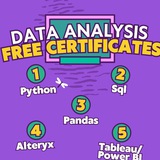
Data Analytics isn't rocket science. It's just a different language.
Here's a beginner's guide to the world of data analytics:
1) Understand the fundamentals:
- Mathematics
- Statistics
- Technology
2) Learn the tools:
- SQL
- Python
- Excel (yes, it's still relevant!)
3) Understand the data:
- What do you want to measure?
- How are you measuring it?
- What metrics are important to you?
4) Data Visualization:
- A picture is worth a thousand words
5) Practice:
- There's no better way to learn than to do it yourself.
Data Analytics is a valuable skill that can help you make better decisions, understand your audience better, and ultimately grow your business.
It's never too late to start learning!
Here's a beginner's guide to the world of data analytics:
1) Understand the fundamentals:
- Mathematics
- Statistics
- Technology
2) Learn the tools:
- SQL
- Python
- Excel (yes, it's still relevant!)
3) Understand the data:
- What do you want to measure?
- How are you measuring it?
- What metrics are important to you?
4) Data Visualization:
- A picture is worth a thousand words
5) Practice:
- There's no better way to learn than to do it yourself.
Data Analytics is a valuable skill that can help you make better decisions, understand your audience better, and ultimately grow your business.
It's never too late to start learning!
👍16❤11👏1
Company: Gainwell Technologies!
Position: Data Analyst
Experience: Freshers/ Experienced
https://jobs.gainwelltechnologies.com/job/Bangalore-Data-Analyst-KA-560100/1150924900/
Position: Data Analyst
Experience: Freshers/ Experienced
https://jobs.gainwelltechnologies.com/job/Bangalore-Data-Analyst-KA-560100/1150924900/
👍7
Deutsche Bank is hiring!
Position: Analytics - Data Analyst
Qualifications: Bachelor’s/ Master’s Degree
Salary: 7 - 15 LPA (Expected)
Experience: Freshers/ Experienced
Location: Bangalore, India
📌Apply Now: https://careers.db.com/professionals/search-roles/?test.html%3Fkid%3D=linkedinjobwrap#/professional/job/55301
Position: Analytics - Data Analyst
Qualifications: Bachelor’s/ Master’s Degree
Salary: 7 - 15 LPA (Expected)
Experience: Freshers/ Experienced
Location: Bangalore, India
📌Apply Now: https://careers.db.com/professionals/search-roles/?test.html%3Fkid%3D=linkedinjobwrap#/professional/job/55301
👍5
10 powerful lessons:
1. Embrace Writing to Clear Your Mind
↳ Writing down your thoughts and ideas can help you clarify and organize your thoughts.
↳ Write out your goals and plans to enhance focus and motivation.
2. Always Aim for the Stars
↳ Set ambitious goals that challenge you to grow and learn.
↳ Surround yourself with people who inspire and push you to be your best.
3. Great Leaders Put Others First
↳ Great leaders focus on their team's success, not just their own.
↳ Leadership is not about personal gain, but about positively impacting others.
4. The Power of Task Segmentation
↳ Breaking large tasks into smaller ones can help you feel less overwhelmed and more focused.
↳ Smaller tasks are easier to complete, which can help you build momentum and stay motivated.
5. Reframing Challenges
↳ Embrace challenges as opportunities to learn and grow.
↳ Reflect on failures to identify areas for improvement.
6. Leadership is About Service, Not Power
↳ Leadership is about empowering others to be their best selves.
↳ Great leaders inspire others to innovate and think creatively.
7. The Power of Pen and Paper
↳ Writing helps you understand your own thoughts better.
↳ Write out your thoughts and feelings to gain perspective and clarity.
8. Master the Power of Active Listening
↳ Focus on what others are saying, not on your reply.
↳ Avoid interrupting or formulating your response while the other person is speaking.
9. Writing Sharpens Your Thoughts
↳ Writing forces you to organize your thoughts.
↳ Seeing ideas on paper helps you spot flaws and improvements.
10. Embrace Discipline for Lasting Success
↳ Discipline is choosing between what you want now and what you want most.
↳ Small, consistent actions lead to big results over time.
10 simple yet transformative lessons to shift your mindset.
1. Embrace Writing to Clear Your Mind
↳ Writing down your thoughts and ideas can help you clarify and organize your thoughts.
↳ Write out your goals and plans to enhance focus and motivation.
2. Always Aim for the Stars
↳ Set ambitious goals that challenge you to grow and learn.
↳ Surround yourself with people who inspire and push you to be your best.
3. Great Leaders Put Others First
↳ Great leaders focus on their team's success, not just their own.
↳ Leadership is not about personal gain, but about positively impacting others.
4. The Power of Task Segmentation
↳ Breaking large tasks into smaller ones can help you feel less overwhelmed and more focused.
↳ Smaller tasks are easier to complete, which can help you build momentum and stay motivated.
5. Reframing Challenges
↳ Embrace challenges as opportunities to learn and grow.
↳ Reflect on failures to identify areas for improvement.
6. Leadership is About Service, Not Power
↳ Leadership is about empowering others to be their best selves.
↳ Great leaders inspire others to innovate and think creatively.
7. The Power of Pen and Paper
↳ Writing helps you understand your own thoughts better.
↳ Write out your thoughts and feelings to gain perspective and clarity.
8. Master the Power of Active Listening
↳ Focus on what others are saying, not on your reply.
↳ Avoid interrupting or formulating your response while the other person is speaking.
9. Writing Sharpens Your Thoughts
↳ Writing forces you to organize your thoughts.
↳ Seeing ideas on paper helps you spot flaws and improvements.
10. Embrace Discipline for Lasting Success
↳ Discipline is choosing between what you want now and what you want most.
↳ Small, consistent actions lead to big results over time.
10 simple yet transformative lessons to shift your mindset.
👍13❤5👏1
Companies Offering Data Science Internships
Below is a list of companies that are offering internships in India:
Unstudio AI – ML Intern
Extuent – GenAI Intern
Sponsogram – ML Intern
EarnIn – Data Science Intern
Digitap.ai – Product Analyst Intern
Sony Research – Computer Vision Intern
Below is a list of companies that are offering internships in India:
Unstudio AI – ML Intern
Extuent – GenAI Intern
Sponsogram – ML Intern
EarnIn – Data Science Intern
Digitap.ai – Product Analyst Intern
Sony Research – Computer Vision Intern
👍4
Here's Part 2 of the phone interview series for data analysts:
𝐓𝐞𝐥𝐥 𝐦𝐞 𝐚𝐛𝐨𝐮𝐭 𝐲𝐨𝐮𝐫 𝐞𝐝𝐮𝐜𝐚𝐭𝐢𝐨𝐧 𝐚𝐧𝐝 𝐫𝐞𝐥𝐞𝐯𝐚𝐧𝐭 𝐞𝐱𝐩𝐞𝐫𝐢𝐞𝐧𝐜𝐞.
𝐇𝐑: [Your Name], can you elaborate on your educational background and any relevant experience you have?
[Your Name]: Certainly! I graduated from [Your University] with a degree in [Your Degree], where I focused on subjects like statistics, data analysis, and programming. During my time there, I worked on several projects that involved analyzing large datasets, using tools like Excel, SQL, and Python.
One of the significant projects I worked on was [Briefly describe a project], where I [mention your role and contributions]. This project helped me develop strong analytical skills and a keen eye for detail.
In addition to my coursework, I completed an internship at [Internship Company], where I was responsible for [specific tasks or projects]. This experience allowed me to apply my theoretical knowledge in a practical setting, and I gained hands-on experience with data visualization tools such as Tableau and Power BI.
𝐇𝐑: That sounds impressive. Can you tell me more about the project you mentioned?
[Your Name]: Sure! The project was about [describe the project in detail, including the goal, your role, and the outcome]. I worked closely with a team of data analysts to clean and process the data, identify key trends, and present our findings to the stakeholders. This experience taught me the importance of clear communication and collaboration in data analysis.
𝐇𝐑: It's great to hear about your hands-on experience. What specific skills do you think you bring to our team?
[Your Name]: I bring a strong foundation in data analysis, excellent problem-solving skills, and proficiency in tools like Excel, SQL, Python, and Tableau. I'm also a quick learner and am eager to continue developing my skills. My ability to work collaboratively and communicate effectively with both technical and non-technical stakeholders is another strength that I believe will be valuable to your team.
𝐇𝐑: Thank you for sharing, [Your Name]. It's good to know about your background and skills.
[Your Name]: Thank you for giving me the opportunity to share!
Share with credits: https://news.1rj.ru/str/jobs_SQL
Like this post if you want me to continue this 👍❤️
𝐓𝐞𝐥𝐥 𝐦𝐞 𝐚𝐛𝐨𝐮𝐭 𝐲𝐨𝐮𝐫 𝐞𝐝𝐮𝐜𝐚𝐭𝐢𝐨𝐧 𝐚𝐧𝐝 𝐫𝐞𝐥𝐞𝐯𝐚𝐧𝐭 𝐞𝐱𝐩𝐞𝐫𝐢𝐞𝐧𝐜𝐞.
𝐇𝐑: [Your Name], can you elaborate on your educational background and any relevant experience you have?
[Your Name]: Certainly! I graduated from [Your University] with a degree in [Your Degree], where I focused on subjects like statistics, data analysis, and programming. During my time there, I worked on several projects that involved analyzing large datasets, using tools like Excel, SQL, and Python.
One of the significant projects I worked on was [Briefly describe a project], where I [mention your role and contributions]. This project helped me develop strong analytical skills and a keen eye for detail.
In addition to my coursework, I completed an internship at [Internship Company], where I was responsible for [specific tasks or projects]. This experience allowed me to apply my theoretical knowledge in a practical setting, and I gained hands-on experience with data visualization tools such as Tableau and Power BI.
𝐇𝐑: That sounds impressive. Can you tell me more about the project you mentioned?
[Your Name]: Sure! The project was about [describe the project in detail, including the goal, your role, and the outcome]. I worked closely with a team of data analysts to clean and process the data, identify key trends, and present our findings to the stakeholders. This experience taught me the importance of clear communication and collaboration in data analysis.
𝐇𝐑: It's great to hear about your hands-on experience. What specific skills do you think you bring to our team?
[Your Name]: I bring a strong foundation in data analysis, excellent problem-solving skills, and proficiency in tools like Excel, SQL, Python, and Tableau. I'm also a quick learner and am eager to continue developing my skills. My ability to work collaboratively and communicate effectively with both technical and non-technical stakeholders is another strength that I believe will be valuable to your team.
𝐇𝐑: Thank you for sharing, [Your Name]. It's good to know about your background and skills.
[Your Name]: Thank you for giving me the opportunity to share!
Share with credits: https://news.1rj.ru/str/jobs_SQL
Like this post if you want me to continue this 👍❤️
👍39❤6
Here’s a detailed breakdown of critical roles and their associated responsibilities:
🔘 Data Engineer: Tailored for Data Enthusiasts
1. Data Ingestion: Acquire proficiency in data handling techniques.
2. Data Validation: Master the art of data quality assurance.
3. Data Cleansing: Learn advanced data cleaning methodologies.
4. Data Standardisation: Grasp the principles of data formatting.
5. Data Curation: Efficiently organise and manage datasets.
🔘 Data Scientist: Suited for Analytical Minds
6. Feature Extraction: Hone your skills in identifying data patterns.
7. Feature Selection: Master techniques for efficient feature selection.
8. Model Exploration: Dive into the realm of model selection methodologies.
🔘 Data Scientist & ML Engineer: Designed for Coding Enthusiasts
9. Coding Proficiency: Develop robust programming skills.
10. Model Training: Understand the intricacies of model training.
11. Model Validation: Explore various model validation techniques.
12. Model Evaluation: Master the art of evaluating model performance.
13. Model Refinement: Refine and improve candidate models.
14. Model Selection: Learn to choose the most suitable model for a given task.
🔘 ML Engineer: Tailored for Deployment Enthusiasts
15. Model Packaging: Acquire knowledge of essential packaging techniques.
16. Model Registration: Master the process of model tracking and registration.
17. Model Containerisation: Understand the principles of containerisation.
18. Model Deployment: Explore strategies for effective model deployment.
These roles encompass diverse facets of Data and ML, catering to various interests and skill sets. Delve into these domains, identify your passions, and customise your learning journey accordingly.
🔘 Data Engineer: Tailored for Data Enthusiasts
1. Data Ingestion: Acquire proficiency in data handling techniques.
2. Data Validation: Master the art of data quality assurance.
3. Data Cleansing: Learn advanced data cleaning methodologies.
4. Data Standardisation: Grasp the principles of data formatting.
5. Data Curation: Efficiently organise and manage datasets.
🔘 Data Scientist: Suited for Analytical Minds
6. Feature Extraction: Hone your skills in identifying data patterns.
7. Feature Selection: Master techniques for efficient feature selection.
8. Model Exploration: Dive into the realm of model selection methodologies.
🔘 Data Scientist & ML Engineer: Designed for Coding Enthusiasts
9. Coding Proficiency: Develop robust programming skills.
10. Model Training: Understand the intricacies of model training.
11. Model Validation: Explore various model validation techniques.
12. Model Evaluation: Master the art of evaluating model performance.
13. Model Refinement: Refine and improve candidate models.
14. Model Selection: Learn to choose the most suitable model for a given task.
🔘 ML Engineer: Tailored for Deployment Enthusiasts
15. Model Packaging: Acquire knowledge of essential packaging techniques.
16. Model Registration: Master the process of model tracking and registration.
17. Model Containerisation: Understand the principles of containerisation.
18. Model Deployment: Explore strategies for effective model deployment.
These roles encompass diverse facets of Data and ML, catering to various interests and skill sets. Delve into these domains, identify your passions, and customise your learning journey accordingly.
👍12❤4
Imagen is hiring Senior Data Analyst
Required Qualifications:
4+ years of overall experience
Bachelor's degree (preferably in a quantitative field such as Mathematics or Engineering but not required)
3+ years Healthcare claims data experience with an understanding of medical coding systems (CPT, ICD-10, DRG, etc.)
Developing visualizations for business intelligence (e.g., Tableau dashboards)
Proficient in SQL, Python (pandas), and Git
Preferred Qualifications:
Proficient in Tableau
Experience with dbt
Knowledge of risk adjustment models
Apply Link: https://boards.greenhouse.io/imagentechnologies/jobs/7533528002
👉WhatsApp Channel: https://whatsapp.com/channel/0029VaI5CV93AzNUiZ5Tt226
👉Telegram Link: https://news.1rj.ru/str/addlist/ID95piZJZa0wYzk5
Like for more ❤️
All the best 👍 👍
Required Qualifications:
4+ years of overall experience
Bachelor's degree (preferably in a quantitative field such as Mathematics or Engineering but not required)
3+ years Healthcare claims data experience with an understanding of medical coding systems (CPT, ICD-10, DRG, etc.)
Developing visualizations for business intelligence (e.g., Tableau dashboards)
Proficient in SQL, Python (pandas), and Git
Preferred Qualifications:
Proficient in Tableau
Experience with dbt
Knowledge of risk adjustment models
Apply Link: https://boards.greenhouse.io/imagentechnologies/jobs/7533528002
👉WhatsApp Channel: https://whatsapp.com/channel/0029VaI5CV93AzNUiZ5Tt226
👉Telegram Link: https://news.1rj.ru/str/addlist/ID95piZJZa0wYzk5
Like for more ❤️
All the best 👍 👍
👍8❤1
One day or Day one. You decide.
Data Science edition.
𝗢𝗻𝗲 𝗗𝗮𝘆 : I will learn SQL.
𝗗𝗮𝘆 𝗢𝗻𝗲: Download mySQL Workbench.
𝗢𝗻𝗲 𝗗𝗮𝘆: I will build my projects for my portfolio.
𝗗𝗮𝘆 𝗢𝗻𝗲: Look on Kaggle for a dataset to work on.
𝗢𝗻𝗲 𝗗𝗮𝘆: I will master statistics.
𝗗𝗮𝘆 𝗢𝗻𝗲: Start the free Khan Academy Statistics and Probability course.
𝗢𝗻𝗲 𝗗𝗮𝘆: I will learn to tell stories with data.
𝗗𝗮𝘆 𝗢𝗻𝗲: Install Tableau Public and create my first chart.
𝗢𝗻𝗲 𝗗𝗮𝘆: I will become a Data Scientist.
𝗗𝗮𝘆 𝗢𝗻𝗲: Update my resume and apply to some Data Science job postings.
Data Science edition.
𝗢𝗻𝗲 𝗗𝗮𝘆 : I will learn SQL.
𝗗𝗮𝘆 𝗢𝗻𝗲: Download mySQL Workbench.
𝗢𝗻𝗲 𝗗𝗮𝘆: I will build my projects for my portfolio.
𝗗𝗮𝘆 𝗢𝗻𝗲: Look on Kaggle for a dataset to work on.
𝗢𝗻𝗲 𝗗𝗮𝘆: I will master statistics.
𝗗𝗮𝘆 𝗢𝗻𝗲: Start the free Khan Academy Statistics and Probability course.
𝗢𝗻𝗲 𝗗𝗮𝘆: I will learn to tell stories with data.
𝗗𝗮𝘆 𝗢𝗻𝗲: Install Tableau Public and create my first chart.
𝗢𝗻𝗲 𝗗𝗮𝘆: I will become a Data Scientist.
𝗗𝗮𝘆 𝗢𝗻𝗲: Update my resume and apply to some Data Science job postings.
👍45❤16✍2
Swiss Re is hiring!
Position: Data Analyst
Qualification: Bachelor’s/ Master’s Degree
Salary: 8 LPA (Expected)
Experience: Freshers/ Experienced
Location: Bangalore, India
📌Apply Now: https://careers.swissre.com/job/Bangalore-Data-Analyst-KA/1050003301/
👉WhatsApp Channel: https://whatsapp.com/channel/0029VaI5CV93AzNUiZ5Tt226
👉Telegram Link: https://news.1rj.ru/str/addlist/ID95piZJZa0wYzk5
Like for more ❤️
All the best 👍 👍
Position: Data Analyst
Qualification: Bachelor’s/ Master’s Degree
Salary: 8 LPA (Expected)
Experience: Freshers/ Experienced
Location: Bangalore, India
📌Apply Now: https://careers.swissre.com/job/Bangalore-Data-Analyst-KA/1050003301/
👉WhatsApp Channel: https://whatsapp.com/channel/0029VaI5CV93AzNUiZ5Tt226
👉Telegram Link: https://news.1rj.ru/str/addlist/ID95piZJZa0wYzk5
Like for more ❤️
All the best 👍 👍
👍10
Here's Part 3 of the phone interview series for data analysts:
𝐃𝐞𝐬𝐜𝐫𝐢𝐛𝐞 𝐲𝐨𝐮𝐫 𝐩𝐫𝐨𝐜𝐞𝐬𝐬 𝐟𝐨𝐫 𝐬𝐨𝐥𝐯𝐢𝐧𝐠 𝐚 𝐝𝐚𝐭𝐚 𝐚𝐧𝐚𝐥𝐲𝐬𝐢𝐬 𝐩𝐫𝐨𝐛𝐥𝐞𝐦.
𝐇𝐑: [Your Name], can you describe your process for solving a data analysis problem?
[Your Name]: Certainly! When approaching a data analysis problem, I typically follow a structured process that involves several key steps:
1. Understanding the Problem: The first step is to clearly understand the problem at hand. I make sure to define the objectives and identify the key questions that need to be answered. This often involves communicating with stakeholders to ensure we're aligned on the goals.
2. Data Collection: Once the problem is defined, I gather the necessary data. This could involve extracting data from databases, collecting data from various sources, or working with existing datasets. Ensuring data quality is crucial at this stage.
3. Data Cleaning: Data often comes with inconsistencies, missing values, or errors. I spend time cleaning the data to ensure it's accurate and reliable. This step involves handling missing data, removing duplicates, and correcting errors.
4. Exploratory Data Analysis (EDA): After cleaning the data, I perform exploratory data analysis to uncover initial insights and patterns. This involves visualizing the data, calculating summary statistics, and identifying any outliers or trends.
5. Data Modeling: Depending on the problem, I might apply statistical models or machine learning algorithms to analyze the data. This step involves selecting the appropriate model, training it on the data, and evaluating its performance.
6. Interpretation and Presentation: Once the analysis is complete, I interpret the results and draw meaningful conclusions. I create visualizations and reports to present the findings in a clear and concise manner, making sure to tailor the presentation to the audience.
7. Recommendations and Actionable Insights: Finally, I provide recommendations based on the analysis. The goal is to offer actionable insights that can help the stakeholders make informed decisions.
𝐇𝐑: That's a comprehensive process. Can you give me an example of a project where you applied this process?
[Your Name]: Sure! During my internship at [Internship Company], I worked on a project to analyze customer purchase behavior. We aimed to identify patterns and trends to help the marketing team develop targeted campaigns.
𝐇𝐑: Can you walk me through how you applied each step to that project?
[Your Name]: Absolutely. First, I met with the marketing team to understand their objectives and the specific questions they had. We defined our goals as identifying key customer segments and their purchasing habits.
Next, I collected data from the company's CRM and sales databases. The data was then cleaned to remove duplicates and correct any inconsistencies.
During the exploratory data analysis, I used visualizations to identify initial trends and patterns. For example, I discovered that certain customer segments had distinct purchasing patterns during different seasons.
I then applied clustering algorithms to segment the customers based on their behavior. This helped us identify distinct groups with unique characteristics.
The results were presented to the marketing team using dashboards and visualizations created in Tableau. I highlighted the key findings and provided actionable recommendations for targeted marketing campaigns.
𝐇𝐑: That's an excellent example. It sounds like you have a solid approach to tackling data analysis problems.
[Your Name]: Thank you! I believe a structured process is essential to ensure thorough and accurate analysis.
Share with credits: https://news.1rj.ru/str/jobs_SQL
Like this post if you want me to continue this 👍❤️
𝐃𝐞𝐬𝐜𝐫𝐢𝐛𝐞 𝐲𝐨𝐮𝐫 𝐩𝐫𝐨𝐜𝐞𝐬𝐬 𝐟𝐨𝐫 𝐬𝐨𝐥𝐯𝐢𝐧𝐠 𝐚 𝐝𝐚𝐭𝐚 𝐚𝐧𝐚𝐥𝐲𝐬𝐢𝐬 𝐩𝐫𝐨𝐛𝐥𝐞𝐦.
𝐇𝐑: [Your Name], can you describe your process for solving a data analysis problem?
[Your Name]: Certainly! When approaching a data analysis problem, I typically follow a structured process that involves several key steps:
1. Understanding the Problem: The first step is to clearly understand the problem at hand. I make sure to define the objectives and identify the key questions that need to be answered. This often involves communicating with stakeholders to ensure we're aligned on the goals.
2. Data Collection: Once the problem is defined, I gather the necessary data. This could involve extracting data from databases, collecting data from various sources, or working with existing datasets. Ensuring data quality is crucial at this stage.
3. Data Cleaning: Data often comes with inconsistencies, missing values, or errors. I spend time cleaning the data to ensure it's accurate and reliable. This step involves handling missing data, removing duplicates, and correcting errors.
4. Exploratory Data Analysis (EDA): After cleaning the data, I perform exploratory data analysis to uncover initial insights and patterns. This involves visualizing the data, calculating summary statistics, and identifying any outliers or trends.
5. Data Modeling: Depending on the problem, I might apply statistical models or machine learning algorithms to analyze the data. This step involves selecting the appropriate model, training it on the data, and evaluating its performance.
6. Interpretation and Presentation: Once the analysis is complete, I interpret the results and draw meaningful conclusions. I create visualizations and reports to present the findings in a clear and concise manner, making sure to tailor the presentation to the audience.
7. Recommendations and Actionable Insights: Finally, I provide recommendations based on the analysis. The goal is to offer actionable insights that can help the stakeholders make informed decisions.
𝐇𝐑: That's a comprehensive process. Can you give me an example of a project where you applied this process?
[Your Name]: Sure! During my internship at [Internship Company], I worked on a project to analyze customer purchase behavior. We aimed to identify patterns and trends to help the marketing team develop targeted campaigns.
𝐇𝐑: Can you walk me through how you applied each step to that project?
[Your Name]: Absolutely. First, I met with the marketing team to understand their objectives and the specific questions they had. We defined our goals as identifying key customer segments and their purchasing habits.
Next, I collected data from the company's CRM and sales databases. The data was then cleaned to remove duplicates and correct any inconsistencies.
During the exploratory data analysis, I used visualizations to identify initial trends and patterns. For example, I discovered that certain customer segments had distinct purchasing patterns during different seasons.
I then applied clustering algorithms to segment the customers based on their behavior. This helped us identify distinct groups with unique characteristics.
The results were presented to the marketing team using dashboards and visualizations created in Tableau. I highlighted the key findings and provided actionable recommendations for targeted marketing campaigns.
𝐇𝐑: That's an excellent example. It sounds like you have a solid approach to tackling data analysis problems.
[Your Name]: Thank you! I believe a structured process is essential to ensure thorough and accurate analysis.
Share with credits: https://news.1rj.ru/str/jobs_SQL
Like this post if you want me to continue this 👍❤️
👍36❤7
Accenture is hiring!
Position: Data Science Analytics Associate
Qualification: Any Graduation
Salary: 6 - 9 (Expected)
Experience: Freshers/ Experienced
Location: India
📌Apply Now: https://www.accenture.com/in-en/careers/jobdetails?src=LINKEDINJP&id=AIOC-S01523713_en
👉WhatsApp Channel: https://whatsapp.com/channel/0029VaI5CV93AzNUiZ5Tt226
👉Telegram Link: https://news.1rj.ru/str/addlist/ID95piZJZa0wYzk5
Like for more ❤️
Position: Data Science Analytics Associate
Qualification: Any Graduation
Salary: 6 - 9 (Expected)
Experience: Freshers/ Experienced
Location: India
📌Apply Now: https://www.accenture.com/in-en/careers/jobdetails?src=LINKEDINJP&id=AIOC-S01523713_en
👉WhatsApp Channel: https://whatsapp.com/channel/0029VaI5CV93AzNUiZ5Tt226
👉Telegram Link: https://news.1rj.ru/str/addlist/ID95piZJZa0wYzk5
Like for more ❤️
👍11
American Express is hiring Business Analyst
Apply Link: https://aexp.eightfold.ai/careers/job/23917280?
👉WhatsApp Channel: https://whatsapp.com/channel/0029VaI5CV93AzNUiZ5Tt226
👉Telegram Link: https://news.1rj.ru/str/addlist/ID95piZJZa0wYzk5
Like for more ❤️
Apply Link: https://aexp.eightfold.ai/careers/job/23917280?
👉WhatsApp Channel: https://whatsapp.com/channel/0029VaI5CV93AzNUiZ5Tt226
👉Telegram Link: https://news.1rj.ru/str/addlist/ID95piZJZa0wYzk5
Like for more ❤️
👍5👏2
Below is a list of companies that are offering internships in the United Kingdom:
SLB – Data Science Intern
Tencent – NLP Research Intern
Cohere – Research Intern
Viridien – ML Intern
Tencent – Data Product Intern
Watchfinder – Data Engineer Intern
SLB – Data Science Intern
Tencent – NLP Research Intern
Cohere – Research Intern
Viridien – ML Intern
Tencent – Data Product Intern
Watchfinder – Data Engineer Intern
❤4
Here’s a list of companies that are offering internships in Canada:
Ndax – ML Intern
Refonte Technologies – AI Internship
Klue – Data Analyst Intern
Sustain Pod – Data Analyst Intern
Cohere – Research Intern
Pinterest – ML Intern
Ndax – ML Intern
Refonte Technologies – AI Internship
Klue – Data Analyst Intern
Sustain Pod – Data Analyst Intern
Cohere – Research Intern
Pinterest – ML Intern
👍11❤1🤔1
Exciting Career Opportunity..!!
#hiring for #data_analyst with expertise in #predictive_modeling.
Position: Data Analyst
Location - Bangalore
Relevant Experience - 2 to 3.5 Years
Work Mode - Work From Office
Feel free to reach out or share this opportunity with someone you know who might be a great fit priya.modwani@i-intelliserve.com
#hiring for #data_analyst with expertise in #predictive_modeling.
Position: Data Analyst
Location - Bangalore
Relevant Experience - 2 to 3.5 Years
Work Mode - Work From Office
Feel free to reach out or share this opportunity with someone you know who might be a great fit priya.modwani@i-intelliserve.com
👍7
Dreaming of a perfect day as a data analyst?
Here is the reality check:
• You arrive at the office, grab a coffee, and dive deep into solving complex problems.
𝗕𝘂𝘁, you spend the first hour trying to figure out why one of your dashboards shows outdated data.
• You present impactful insights to a room full of executives, who trust your recommendations and are eager to execute your ideas.
𝗕𝘂𝘁, you will explain for the 10th time why Excel isn’t the best tool for running the complex analysis they are requesting.
• You use the latest machine learning models to accurately predict future trends.
𝗕𝘂𝘁, you will spend whole days wrangling messy, incomplete datasets.
• You collaborate with a team of data scientists to create innovative solutions.
𝗕𝘂𝘁, you will have to send a dozen Slack messages to IT just to get access to the data you need.
• You spend the afternoon writing elegant, and efficient Python code.
𝗕𝘂𝘁, you will google basic pandas function more times than you’d like to admit.
Manage your expectations and find humor in your daily work. It’s all part of the journey to those moments where you will drive real business impact as a data analyst!
Here is the reality check:
• You arrive at the office, grab a coffee, and dive deep into solving complex problems.
𝗕𝘂𝘁, you spend the first hour trying to figure out why one of your dashboards shows outdated data.
• You present impactful insights to a room full of executives, who trust your recommendations and are eager to execute your ideas.
𝗕𝘂𝘁, you will explain for the 10th time why Excel isn’t the best tool for running the complex analysis they are requesting.
• You use the latest machine learning models to accurately predict future trends.
𝗕𝘂𝘁, you will spend whole days wrangling messy, incomplete datasets.
• You collaborate with a team of data scientists to create innovative solutions.
𝗕𝘂𝘁, you will have to send a dozen Slack messages to IT just to get access to the data you need.
• You spend the afternoon writing elegant, and efficient Python code.
𝗕𝘂𝘁, you will google basic pandas function more times than you’d like to admit.
Manage your expectations and find humor in your daily work. It’s all part of the journey to those moments where you will drive real business impact as a data analyst!
👍32❤16
Accenture Hiring Data Scientist!
Experience Required: 1-3 Years
Job Location: Bengaluru
Apply Link:
https://cuvette.tech/app/other-jobs/669f6522b6d3b320ec358efe?referralCode=8T994D
Experience Required: 1-3 Years
Job Location: Bengaluru
Apply Link:
https://cuvette.tech/app/other-jobs/669f6522b6d3b320ec358efe?referralCode=8T994D
👍6
Lowe's Hiring Data Analyst!
Experience Required: 1-3 Years
Job Location: Bengaluru
Apply Link:
https://cuvette.tech/app/other-jobs/669e851706096923eb1b9ca0?referralCode=8T994D
👉WhatsApp Channel: https://whatsapp.com/channel/0029VaI5CV93AzNUiZ5Tt226
👉Telegram Link: https://news.1rj.ru/str/addlist/ID95piZJZa0wYzk5
Like for more ❤️
Experience Required: 1-3 Years
Job Location: Bengaluru
Apply Link:
https://cuvette.tech/app/other-jobs/669e851706096923eb1b9ca0?referralCode=8T994D
👉WhatsApp Channel: https://whatsapp.com/channel/0029VaI5CV93AzNUiZ5Tt226
👉Telegram Link: https://news.1rj.ru/str/addlist/ID95piZJZa0wYzk5
Like for more ❤️
👍4
Here's Part 4 of the phone interview series for data analysts:
𝐂𝐚𝐧 𝐲𝐨𝐮 𝐝𝐞𝐬𝐜𝐫𝐢𝐛𝐞 𝐚 𝐭𝐢𝐦𝐞 𝐰𝐡𝐞𝐧 𝐲𝐨𝐮 𝐟𝐚𝐜𝐞𝐝 𝐚 𝐜𝐡𝐚𝐥𝐥𝐞𝐧𝐠𝐞 𝐢𝐧 𝐚𝐧𝐚𝐥𝐲𝐳𝐢𝐧𝐠 𝐝𝐚𝐭𝐚 𝐚𝐧𝐝 𝐡𝐨𝐰 𝐲𝐨𝐮 𝐨𝐯𝐞𝐫𝐜𝐚𝐦𝐞 𝐢𝐭?
𝐇𝐑: [Your Name], can you describe a time when you faced a challenge in analyzing data and how you overcame it?
[Your Name]: Certainly. One challenging situation I encountered was during my internship at [Internship Company]. I was tasked with analyzing sales data to forecast future sales trends, but the data we had was incomplete and contained numerous inconsistencies.
𝐇𝐑: That sounds difficult. How did you approach this challenge?
[Your Name]: First, I conducted a thorough assessment of the data to understand the extent of the issues. I identified gaps, missing values, and inconsistencies. Realizing that the data needed significant cleaning, I developed a plan to address these issues systematically.
𝐇𝐑: What specific steps did you take to clean and prepare the data?
[Your Name]: I started by addressing the missing values. For numerical data, I used imputation techniques such as mean or median imputation where appropriate. For categorical data, I used the most frequent category or created a new category for missing values. I also removed any duplicate entries and corrected errors based on cross-references with other data sources.
To ensure the cleaned data was reliable, I performed data validation checks. This involved verifying the consistency of the data across different time periods and segments. I also consulted with the sales team to understand any anomalies and incorporate their insights into the data cleaning process.
𝐇𝐑: Once the data was cleaned, how did you proceed with the analysis?
[Your Name]: With the cleaned data, I conducted exploratory data analysis to identify trends and patterns. I used statistical techniques to smooth out short-term fluctuations and highlight long-term trends.
For the sales forecasting, I applied time series analysis techniques such as ARIMA (AutoRegressive Integrated Moving Average) models. I split the data into training and testing sets to validate the model’s accuracy. After fine-tuning the model, I was able to generate reliable forecasts for future sales trends.
𝐇𝐑: How did you present your findings and ensure they were actionable?
[Your Name]: I created a detailed report and a set of interactive dashboards using Tableau. These visualizations highlighted key trends, forecasted sales figures, and potential growth areas. I also included a section on the data cleaning process and the assumptions made during the analysis to provide full transparency.
I presented the findings to the sales team and senior management. During the presentation, I emphasized the implications of the forecast and offered recommendations based on the analysis. The clear visualization and actionable insights helped the team make informed decisions on inventory management and marketing strategies.
𝐇𝐑: That’s an impressive way to handle a challenging situation. It seems like your structured approach and attention to detail were crucial.
[Your Name]: Thank you! I believe that thorough data preparation and clear communication are key to overcoming challenges in data analysis.
Share with credits: https://news.1rj.ru/str/jobs_SQL
Like this post if you want me to continue this 👍❤️
𝐂𝐚𝐧 𝐲𝐨𝐮 𝐝𝐞𝐬𝐜𝐫𝐢𝐛𝐞 𝐚 𝐭𝐢𝐦𝐞 𝐰𝐡𝐞𝐧 𝐲𝐨𝐮 𝐟𝐚𝐜𝐞𝐝 𝐚 𝐜𝐡𝐚𝐥𝐥𝐞𝐧𝐠𝐞 𝐢𝐧 𝐚𝐧𝐚𝐥𝐲𝐳𝐢𝐧𝐠 𝐝𝐚𝐭𝐚 𝐚𝐧𝐝 𝐡𝐨𝐰 𝐲𝐨𝐮 𝐨𝐯𝐞𝐫𝐜𝐚𝐦𝐞 𝐢𝐭?
𝐇𝐑: [Your Name], can you describe a time when you faced a challenge in analyzing data and how you overcame it?
[Your Name]: Certainly. One challenging situation I encountered was during my internship at [Internship Company]. I was tasked with analyzing sales data to forecast future sales trends, but the data we had was incomplete and contained numerous inconsistencies.
𝐇𝐑: That sounds difficult. How did you approach this challenge?
[Your Name]: First, I conducted a thorough assessment of the data to understand the extent of the issues. I identified gaps, missing values, and inconsistencies. Realizing that the data needed significant cleaning, I developed a plan to address these issues systematically.
𝐇𝐑: What specific steps did you take to clean and prepare the data?
[Your Name]: I started by addressing the missing values. For numerical data, I used imputation techniques such as mean or median imputation where appropriate. For categorical data, I used the most frequent category or created a new category for missing values. I also removed any duplicate entries and corrected errors based on cross-references with other data sources.
To ensure the cleaned data was reliable, I performed data validation checks. This involved verifying the consistency of the data across different time periods and segments. I also consulted with the sales team to understand any anomalies and incorporate their insights into the data cleaning process.
𝐇𝐑: Once the data was cleaned, how did you proceed with the analysis?
[Your Name]: With the cleaned data, I conducted exploratory data analysis to identify trends and patterns. I used statistical techniques to smooth out short-term fluctuations and highlight long-term trends.
For the sales forecasting, I applied time series analysis techniques such as ARIMA (AutoRegressive Integrated Moving Average) models. I split the data into training and testing sets to validate the model’s accuracy. After fine-tuning the model, I was able to generate reliable forecasts for future sales trends.
𝐇𝐑: How did you present your findings and ensure they were actionable?
[Your Name]: I created a detailed report and a set of interactive dashboards using Tableau. These visualizations highlighted key trends, forecasted sales figures, and potential growth areas. I also included a section on the data cleaning process and the assumptions made during the analysis to provide full transparency.
I presented the findings to the sales team and senior management. During the presentation, I emphasized the implications of the forecast and offered recommendations based on the analysis. The clear visualization and actionable insights helped the team make informed decisions on inventory management and marketing strategies.
𝐇𝐑: That’s an impressive way to handle a challenging situation. It seems like your structured approach and attention to detail were crucial.
[Your Name]: Thank you! I believe that thorough data preparation and clear communication are key to overcoming challenges in data analysis.
Share with credits: https://news.1rj.ru/str/jobs_SQL
Like this post if you want me to continue this 👍❤️
👍45❤2
Struggling to stay motivated in your job search?
Try setting input goals first, then shift to output goals once you’re consistent.
Let me explain how this works with a real-life example.
Input Goals vs. Output Goals:
When starting, focus on input goals to build consistency.
For instance, if you're struggling to go to the gym, set a goal to show up every other day rather than aiming to lose 50 pounds.
Once you’re consistent, shift to output goals like losing 5 pounds a month.
Why This Works:
- Focus and Pressure: Output goals create a sense of urgency and focus.
- Efficiency: You find faster and more effective ways to achieve your goals.
- Persistence: Sticking with a strategy until it works builds resilience and problem-solving skills.
Action Time:
1) Start with Input Goals: If you're struggling with consistency, set small, manageable goals to build habits.
2) Shift to Output Goals: Once you’re consistent, set specific, measurable outcomes.
3) Don't Quit: Commit to your goals and find ways to make them work.
Try setting input goals first, then shift to output goals once you’re consistent.
Let me explain how this works with a real-life example.
Input Goals vs. Output Goals:
When starting, focus on input goals to build consistency.
For instance, if you're struggling to go to the gym, set a goal to show up every other day rather than aiming to lose 50 pounds.
Once you’re consistent, shift to output goals like losing 5 pounds a month.
Why This Works:
- Focus and Pressure: Output goals create a sense of urgency and focus.
- Efficiency: You find faster and more effective ways to achieve your goals.
- Persistence: Sticking with a strategy until it works builds resilience and problem-solving skills.
Action Time:
1) Start with Input Goals: If you're struggling with consistency, set small, manageable goals to build habits.
2) Shift to Output Goals: Once you’re consistent, set specific, measurable outcomes.
3) Don't Quit: Commit to your goals and find ways to make them work.
👍21😁2🥰1👏1