Forwarded from Lazarus Symposium
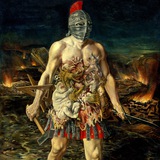
“This is the wasteland of the Western Front. It is the great putrid scar of mud and decaying, rotting flesh that's been cut across the face of Europe. This is the work of a man who was trapped inside his own recurring nightmare. Otto Dix and his generation had borne witness to these horrors, but they'd also been witness to the death of the 19th century faith in inevitable, unstoppable progress. What they'd learned in the trenches was that savagery and barbarism weren't external, to be found only in the colonies, but inside all of us. They had seen that industry and progress and the supposed triumph of Enlightenment rationalism did not guarantee the survival of civilisation. And it was them, the poets and the artists and the painters of the trenches, who best understood what Europe had been through and who best foresaw the horrors that lay ahead.”
David Olusoga, The Cult of Progress, Civilisations (BBC 2018)
David Olusoga, The Cult of Progress, Civilisations (BBC 2018)
Forwarded from Solitary Individual
I looked out a suitable cellar, with a deep dugout, and returned for the last time to my dwelling-place on the western edge of the village.
During the night I fancied I heard a crash now and then and shouts from my batman, but I was so dazed with sleep that I only murmured, ‘Oh, let them shoot!’ and turned over, though the whole place was thick with dust. Next morning I was awakened by little Schultz, Colonel von Oppen’s nephew, who was shouting, ‘I say—don’t you know yet that your whole house has been blown to blazes?’
When I got up and surveyed the damage, I observed that a shell of the heaviest caliber had been planted on the roof, and that the observation post, indeed the whole house, was no more.
[Ernst Jünger, Storm of Steel]
During the night I fancied I heard a crash now and then and shouts from my batman, but I was so dazed with sleep that I only murmured, ‘Oh, let them shoot!’ and turned over, though the whole place was thick with dust. Next morning I was awakened by little Schultz, Colonel von Oppen’s nephew, who was shouting, ‘I say—don’t you know yet that your whole house has been blown to blazes?’
When I got up and surveyed the damage, I observed that a shell of the heaviest caliber had been planted on the roof, and that the observation post, indeed the whole house, was no more.
[Ernst Jünger, Storm of Steel]
🔥1
Forwarded from Lance's Legion
Mission Plan:
Interview with American Militant
American Military Contracting
Current Contracting circumstances
Infantry analysis of the war in Ukraine
Every Citizen a Soldier
https://open.substack.com/pub/lanceslegion/p/war-room?r=s3brk&utm_campaign=post&utm_medium=web
Interview with American Militant
American Military Contracting
Current Contracting circumstances
Infantry analysis of the war in Ukraine
Every Citizen a Soldier
https://open.substack.com/pub/lanceslegion/p/war-room?r=s3brk&utm_campaign=post&utm_medium=web
Lance's Legion
WAR ROOM
MILITARY CONTRACTING feat. American Militant
"Cyrus had become so intimately associated with other boys of his own years that he was on easy terms with them. And soon he had won their fathers’ hearts by visiting them and showing that he loved their sons; so that, if they desired any favour of the king, they bade their sons ask Cyrus to secure it for them And Cyrus, because of his kindness of heart and his desire for popularity, made every effort to secure for the boys whatever they asked.
And Astyages could not refuse any favour that Cyrus asked of him. And this was natural; for, when his grandfather fell sick, Cyrus never left him nor ceased to weep but plainly showed to all that he greatly feared that his grandfather might die. For even at night, if Astyages wanted anything, Cyrus was the first to discover it and with greater alacrity than any one else he would jump up to perform whatever service he thought would give him pleasure, so that he won Astyages’s heart completely."
~ Xenophon, Cyropaedia
And Astyages could not refuse any favour that Cyrus asked of him. And this was natural; for, when his grandfather fell sick, Cyrus never left him nor ceased to weep but plainly showed to all that he greatly feared that his grandfather might die. For even at night, if Astyages wanted anything, Cyrus was the first to discover it and with greater alacrity than any one else he would jump up to perform whatever service he thought would give him pleasure, so that he won Astyages’s heart completely."
~ Xenophon, Cyropaedia
"Cyrus was, perhaps, too talkative, partly on account of his education, because he had always been required by his teacher to render an account of what he was doing and to obtain an account from others whenever he was judge; and partly also because of his natural curiosity, he was habitually putting many questions to those about him why things were thus and so; and because of his alertness of mind he readily answered questions that others put to him; so that from all these causes his talkativeness grew upon him. But it was not unpleasant; for just as in the body, in the case of those who have attained their growth although they are still young, there yet appears that freshness which betrays their lack of years, so also in Cyrus’s case his talkativeness disclosed not impertinence but naïveté and an affectionate disposition, so that one would be better pleased to hear still more from his lips than to sit by and have him keep silent."
~ Xenophon, Cyropaedia
~ Xenophon, Cyropaedia
“What tomfoolery it was, fellows, when we used to hunt the animals in the park. To me at least, it seems just like hunting animals that were tied up. For, in the first place, they were in a small space; besides, they were lean and mangy; and one of them was lame and another maimed. But the animals out on the mountains and the plains—how fine they looked, and large and sleek! And the deer leaped up skyward as if on wings, and the boars came charging at one, as they say brave men do in battle. And by reason of their bulk it was quite impossible to miss them. And to me at least,” said he, “these seem really more beautiful, when dead, than those pent up creatures, when alive.”
~ Xenophon, Cyropaedia
~ Xenophon, Cyropaedia
"Astyages gave the royal command that no one should throw a spear before Cyrus had his fill of hunting. But Cyrus would not permit him to interfere, but said: “If you wish me to enjoy the hunt, grandfather, let all my comrades give chase and strive to outdo one another, and each do his very best.”
Thereupon, Astyages gave his consent and from his position he watched them rushing in rivalry upon the beasts and vying eagerly with one another in giving chase and in throwing the spear. And he was pleased to see that Cyrus was unable to keep silence for delight, but, like a well-bred hound, gave tongue whenever he came near an animal and urged on each of his companions by name. And the king was delighted to see him laugh at one and praise another without the least bit of jealousy. At length, then, Astyages went home with a large amount of game; and he was so pleased with that chase, that thenceforth he always went out with Cyrus when it was possible, and he took along with him not only many others but, for Cyrus’s sake, the boys as well."
~ Xenophon, Cyropaedia
Thereupon, Astyages gave his consent and from his position he watched them rushing in rivalry upon the beasts and vying eagerly with one another in giving chase and in throwing the spear. And he was pleased to see that Cyrus was unable to keep silence for delight, but, like a well-bred hound, gave tongue whenever he came near an animal and urged on each of his companions by name. And the king was delighted to see him laugh at one and praise another without the least bit of jealousy. At length, then, Astyages went home with a large amount of game; and he was so pleased with that chase, that thenceforth he always went out with Cyrus when it was possible, and he took along with him not only many others but, for Cyrus’s sake, the boys as well."
~ Xenophon, Cyropaedia
First appearance in battle:
"Cyrus saw many horsemen over against them, he asked: “Say, grandfather,” said he, “are those men enemies who sit there quietly upon their horses?”
“Yes, indeed, they are,” said he.
“Are those enemies, too,” said Cyrus, “who are riding up and down?”
“Yes, they are enemies, too.”
“Well then, by Zeus, grandfather,” said he, “at any rate, they are a sorry looking lot on a sorry lot of nags who are raiding our belongings. Why, some of us ought to charge upon them.”
“But don’t you see, my son,” said the king, “what a dense array of cavalry is standing there in line? If we charge upon those over there, these in turn will cut us off; while as for us, the main body of our forces has not yet come.”
“But if you stay here,” said Cyrus, “and take up the reinforcements that are coming to join us, these fellows will be afraid and will not stir, while the raiders will drop their booty, just as soon as they see some of us charging on them.”
It seemed to Astyages that there was something in Cyrus’s suggestion, when he said this. And while he wondered that the boy was so shrewd and wide-awake, he ordered his son to take a division of the cavalry and charge upon those who were carrying off the spoil. “And if,” said he, “these others make a move against you, I will charge upon them, so that they will be forced to turn their attention to us.”
So then Cyaxares took some of the most powerful horses and men and advanced. And when Cyrus saw them starting, he rushed off and soon took the lead, while Cyaxares followed after, and the rest also were not left behind. And when the foragers saw them approaching, they straightway let go their booty and took to flight."
~ Xenophon, Cyropaedia
"Cyrus saw many horsemen over against them, he asked: “Say, grandfather,” said he, “are those men enemies who sit there quietly upon their horses?”
“Yes, indeed, they are,” said he.
“Are those enemies, too,” said Cyrus, “who are riding up and down?”
“Yes, they are enemies, too.”
“Well then, by Zeus, grandfather,” said he, “at any rate, they are a sorry looking lot on a sorry lot of nags who are raiding our belongings. Why, some of us ought to charge upon them.”
“But don’t you see, my son,” said the king, “what a dense array of cavalry is standing there in line? If we charge upon those over there, these in turn will cut us off; while as for us, the main body of our forces has not yet come.”
“But if you stay here,” said Cyrus, “and take up the reinforcements that are coming to join us, these fellows will be afraid and will not stir, while the raiders will drop their booty, just as soon as they see some of us charging on them.”
It seemed to Astyages that there was something in Cyrus’s suggestion, when he said this. And while he wondered that the boy was so shrewd and wide-awake, he ordered his son to take a division of the cavalry and charge upon those who were carrying off the spoil. “And if,” said he, “these others make a move against you, I will charge upon them, so that they will be forced to turn their attention to us.”
So then Cyaxares took some of the most powerful horses and men and advanced. And when Cyrus saw them starting, he rushed off and soon took the lead, while Cyaxares followed after, and the rest also were not left behind. And when the foragers saw them approaching, they straightway let go their booty and took to flight."
~ Xenophon, Cyropaedia
"Cyrus and his followers tried to cut them off, and those whom they caught they at once struck down, Cyrus taking the lead; and they pursued hard after those who succeeded in getting past, and they did not give up but took some of them prisoners.
As a well-bred but untrained hound rushes recklessly upon a boar, so Cyrus rushed on, with regard for nothing but to strike down every one he overtook and reckless of anything else.
The enemy, however, when they saw their comrades hard pressed, advanced their column in the hope that the Medes would give up the pursuit on seeing them push forward.
But none the more did Cyrus give over, but in his battle-joy he called to his uncle and continued the pursuit; and pressing on he put the enemy to headlong flight, and Cyaxares did not fail to follow, partly perhaps not to be shamed before his father; and the rest likewise followed, for under such circumstances they were more eager for the pursuit, even those who were not so very brave in the face of the enemy.
But when Astyages saw them pursuing recklessly and the enemy advancing in good order to meet them, he was afraid that something might happen to his son and Cyrus, if they fell in disorder upon the enemy in readiness for battle, and straightway he advanced upon the foe.
Now the enemy on their part, when they saw the Medes advance, halted, some with spears poised, others with bows drawn, expecting that the other side would also halt, as soon as they came within bow-shot, just as they were accustomed generally to do; for it was their habit to advance only so far against each other, when they came into closest quarters, and to skirmish with missiles, oftentimes till evening. But when they saw their comrades rushing in flight toward them, and Cyrus and his followers bearing down close upon them, and Astyages with his cavalry getting already within bow-shot, they broke and fled with all their might from the Medes who followed hard after them.
The Medes caught up with many of them; and those whom they overtook they smote, both men and horses; and the fallen they slew. Nor did they stop, until they came up with the Assyrian infantry. Then, however, fearing lest some greater force might be lying in ambush, they came to a halt.
Then Astyages marched back, greatly rejoicing over the victory of his cavalry but not knowing what to say of Cyrus; for though he realized that his grandson was responsible for the outcome, yet he recognized also that he was frenzied with daring. And of this there was further evidence; for, as the rest made their way homeward, he did nothing but ride around alone and gloat upon the slain, and only with difficulty did those who were detailed to do so succeed in dragging him away and taking him to Astyages; and as he came, he set his escort well before him, for he saw that his grandfather’s face was angry because of his gloating upon them."
~ Xenophon, Cyropaedia
As a well-bred but untrained hound rushes recklessly upon a boar, so Cyrus rushed on, with regard for nothing but to strike down every one he overtook and reckless of anything else.
The enemy, however, when they saw their comrades hard pressed, advanced their column in the hope that the Medes would give up the pursuit on seeing them push forward.
But none the more did Cyrus give over, but in his battle-joy he called to his uncle and continued the pursuit; and pressing on he put the enemy to headlong flight, and Cyaxares did not fail to follow, partly perhaps not to be shamed before his father; and the rest likewise followed, for under such circumstances they were more eager for the pursuit, even those who were not so very brave in the face of the enemy.
But when Astyages saw them pursuing recklessly and the enemy advancing in good order to meet them, he was afraid that something might happen to his son and Cyrus, if they fell in disorder upon the enemy in readiness for battle, and straightway he advanced upon the foe.
Now the enemy on their part, when they saw the Medes advance, halted, some with spears poised, others with bows drawn, expecting that the other side would also halt, as soon as they came within bow-shot, just as they were accustomed generally to do; for it was their habit to advance only so far against each other, when they came into closest quarters, and to skirmish with missiles, oftentimes till evening. But when they saw their comrades rushing in flight toward them, and Cyrus and his followers bearing down close upon them, and Astyages with his cavalry getting already within bow-shot, they broke and fled with all their might from the Medes who followed hard after them.
The Medes caught up with many of them; and those whom they overtook they smote, both men and horses; and the fallen they slew. Nor did they stop, until they came up with the Assyrian infantry. Then, however, fearing lest some greater force might be lying in ambush, they came to a halt.
Then Astyages marched back, greatly rejoicing over the victory of his cavalry but not knowing what to say of Cyrus; for though he realized that his grandson was responsible for the outcome, yet he recognized also that he was frenzied with daring. And of this there was further evidence; for, as the rest made their way homeward, he did nothing but ride around alone and gloat upon the slain, and only with difficulty did those who were detailed to do so succeed in dragging him away and taking him to Astyages; and as he came, he set his escort well before him, for he saw that his grandfather’s face was angry because of his gloating upon them."
~ Xenophon, Cyropaedia
Forwarded from The way of the warrior
De Francisci, makes a very appropriate morphological distinction, that between culture and civilization. Culture, both as an intellectual phenomenon and as a refinement of the material conditions of life of a people, has nothing to do with civilization, a much deeper reality:
"Civilization is not only a manifestation of mainly intellectual activities - says De Francisci – but a complex and concrete expression of all the energies of the spirit:
it is not only dominion of man over external nature, but at the same time lordship of man over his own human nature, consciousness of coordination with other men, of subordination to a certain order of hierarchies, of dependence on a supreme, divine power transcendent".
It is a unitary and organic construction, which however, in order to be such, also affects the political field, that is, it also presupposes a political organization as the creator and proclaimer of the fundamental values at the basis of that same organism.
~ Evola, “Vita Italiana”
"Civilization is not only a manifestation of mainly intellectual activities - says De Francisci – but a complex and concrete expression of all the energies of the spirit:
it is not only dominion of man over external nature, but at the same time lordship of man over his own human nature, consciousness of coordination with other men, of subordination to a certain order of hierarchies, of dependence on a supreme, divine power transcendent".
It is a unitary and organic construction, which however, in order to be such, also affects the political field, that is, it also presupposes a political organization as the creator and proclaimer of the fundamental values at the basis of that same organism.
~ Evola, “Vita Italiana”
❤2
"The general and the soldier of every state should be always expecting that his own division of the army will be the first one in danger. War is carried on in the dark. Attacks are generally sudden and furious, and often the smaller army, animated by a proper fear, has been more than a match for a larger force which, disdaining their opponent, were taken unprepared by him."
~ Thucydides
~ Thucydides
🔥8👍1
German report on the best enemy divisions in WWI.
https://twitter.com/BattleguideVT/status/1610214524828745733?t=acQ8E6SvV7i-DaT8JldxZg&s=19
https://twitter.com/BattleguideVT/status/1610214524828745733?t=acQ8E6SvV7i-DaT8JldxZg&s=19