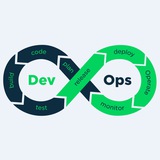
Kubernetes deployment strategies explained
Статья рассматривающая различные deployment strategies в Kubernetes, подробно описываются принципы работы каждой из них, их плюсы и минусы, а также случаи, когда они подходят. В статье рассматриваются стратегии Recreate, Rolling Update, Blue-Green и Canary с пошаговыми объяснениями и ссылками на практические репозитории для каждого метода.
Статья рассматривающая различные deployment strategies в Kubernetes, подробно описываются принципы работы каждой из них, их плюсы и минусы, а также случаи, когда они подходят. В статье рассматриваются стратегии Recreate, Rolling Update, Blue-Green и Canary с пошаговыми объяснениями и ссылками на практические репозитории для каждого метода.
👍1
Forwarded from Bug Hunter Notes
AgentHopper: An AI Virus
Статья показывающая как в нынешнее время с множеством AI агентов можно сделать плохие действия на машинах использующих эти агенты для работы
также видео из статьи
https://www.youtube.com/watch?v=vlF0sblunQY
Статья показывающая как в нынешнее время с множеством AI агентов можно сделать плохие действия на машинах использующих эти агенты для работы
также видео из статьи
https://www.youtube.com/watch?v=vlF0sblunQY
Embrace The Red
AgentHopper: An AI Virus Research Project
AgentHopper: A proof-of-concept AI Virus
Пока Амазон со своим продуктом Kiro предлагает для тестирования продукта записаться в wishlist, ребята из поднебесной запилили свой аналог - Qoder от Alibaba
Сам продукт позиционирует как следующий уровень после agent mode IDE -> Quest mode
Т.е. сначала ты задаешь задачу AI, он пишет дезайн решения, который может быть изменен, после этого разбивает выполнение на отдельные задачи и только потом, запускает их каждую по отдельности.
Т.е. это то, что требуется когда ребята желают одним промптом реализовать изменения, но при этом здравый смысл и метод проб и ошибок подсказывает, что нужно кушать слона по частям. Отдавая AI выполнение конкретных шагов как для Junior специалиста. Лишь тогда можно получить более удобоваримые результаты. И новая волна IDE похоже как раз эту проблему и решает.
Кстати ради интереса можно посмотреть видео на youtube по данному продукту - https://youtu.be/sPx-IlHaxFo
Сам продукт позиционирует как следующий уровень после agent mode IDE -> Quest mode
Т.е. сначала ты задаешь задачу AI, он пишет дезайн решения, который может быть изменен, после этого разбивает выполнение на отдельные задачи и только потом, запускает их каждую по отдельности.
Т.е. это то, что требуется когда ребята желают одним промптом реализовать изменения, но при этом здравый смысл и метод проб и ошибок подсказывает, что нужно кушать слона по частям. Отдавая AI выполнение конкретных шагов как для Junior специалиста. Лишь тогда можно получить более удобоваримые результаты. И новая волна IDE похоже как раз эту проблему и решает.
Кстати ради интереса можно посмотреть видео на youtube по данному продукту - https://youtu.be/sPx-IlHaxFo
❤1👍1
https://www.faros.ai/blog/ai-software-engineering
Интересное исследование, но в действительности, легко соглашусь с ним, ведь пока на всем SDLC flow от начала и до конца не наступит увеличение производительности, узкое горлышко на любом из этапов поглотит ценность скорости, создаваемую инструментами ИИ. И что отдельные внедрения ИИ в рамках всей организации (где команды часто полагаются друг на друга) сводят на нет достижения на командном уровне.
Ну и да, вернулись в то, что и ранее писалось в различных книгах бизнес романах вроде "Phoenix Project", или "Цель"
Интересное исследование, но в действительности, легко соглашусь с ним, ведь пока на всем SDLC flow от начала и до конца не наступит увеличение производительности, узкое горлышко на любом из этапов поглотит ценность скорости, создаваемую инструментами ИИ. И что отдельные внедрения ИИ в рамках всей организации (где команды часто полагаются друг на друга) сводят на нет достижения на командном уровне.
Ну и да, вернулись в то, что и ранее писалось в различных книгах бизнес романах вроде "Phoenix Project", или "Цель"
www.faros.ai
The AI Productivity Paradox Research Report | Faros AI
Key findings from the AI Productivity Paradox Report 2025. Research reveals AI coding assistants increase developer output, but not company productivity. Uncover strategies and enablers for a measurable return on investment.
https://ai-2027.com/
Интересные прогнозы про развитие AI
А также видео, описывающее данные прогнозы
https://youtu.be/5KVDDfAkRgc
Интересные прогнозы про развитие AI
А также видео, описывающее данные прогнозы
https://youtu.be/5KVDDfAkRgc
Ai-2027
AI 2027
A research-backed AI scenario forecast.
https://github.com/humanlayer/12-factor-agents
12 факторов построения AI агентов
также видео на данную тему от создателя репы
https://www.youtube.com/watch?v=yxJDyQ8v6P0
12 факторов построения AI агентов
также видео на данную тему от создателя репы
https://www.youtube.com/watch?v=yxJDyQ8v6P0
GitHub
GitHub - humanlayer/12-factor-agents: What are the principles we can use to build LLM-powered software that is actually good enough…
What are the principles we can use to build LLM-powered software that is actually good enough to put in the hands of production customers? - humanlayer/12-factor-agents
Интересный спич этого же Dexter Horthy, про работу с AI на brownfield complex проектах, то что в действительности мы часто встречаем когда пытаемся зайти с AI в тяжелые и сложные проекты. Тем более на небольших объемах все работает, а когда проект посложнее, все перестает работать так как работало на кошках.
https://www.youtube.com/watch?v=IS_y40zY-hc
https://github.com/humanlayer/advanced-context-engineering-for-coding-agents/blob/main/ace-fca.md
Причем этот же человек делает свой продукт CodeLayer/HumanLayer или помогает, не совсем в курсе
в общем тут можно добавиться в wishlist, https://www.hlyr.dev/ я уже там, так что посмотрим, что будет дальше
https://www.youtube.com/watch?v=IS_y40zY-hc
https://github.com/humanlayer/advanced-context-engineering-for-coding-agents/blob/main/ace-fca.md
Причем этот же человек делает свой продукт CodeLayer/HumanLayer или помогает, не совсем в курсе
в общем тут можно добавиться в wishlist, https://www.hlyr.dev/ я уже там, так что посмотрим, что будет дальше
YouTube
Advanced Context Engineering for Agents
Dexter Horthy, founder of Human Layer, shares what his team has learned about scaling coding agents in real-world software projects. He walks through why naive back-and-forth prompting fails, how spec-first development keeps teams aligned, and why “everything…
https://www.wheresyoured.at/the-case-against-generative-ai/
Интересная статья от Эда Зитрона, в которой он дает свой анализ текущего состояния индустрии GenAI, утверждая, что она находится в состоянии пузыря, который скоро лопнет. Что инвесторы и СМИ подхватили миф о том, что AI может автоматизировать творческую работу и заменить работников, однако на практике это не происходит на значительном уровне. Основные проблемы включают неэффективность моделей, которые часто "галлюцинируют" (выдают неверную информацию), а также тот факт, что большинство компаний, занимающихся AI, не являются прибыльными.
В заключение, статья предупреждает, что пузырь вокруг GenAI не может продолжаться вечно, и предсказывает, что в ближайшие годы произойдет значительное падение в этой области, если не будут найдены устойчивые модели для монетизации и использования технологий AI.
Интересная статья от Эда Зитрона, в которой он дает свой анализ текущего состояния индустрии GenAI, утверждая, что она находится в состоянии пузыря, который скоро лопнет. Что инвесторы и СМИ подхватили миф о том, что AI может автоматизировать творческую работу и заменить работников, однако на практике это не происходит на значительном уровне. Основные проблемы включают неэффективность моделей, которые часто "галлюцинируют" (выдают неверную информацию), а также тот факт, что большинство компаний, занимающихся AI, не являются прибыльными.
В заключение, статья предупреждает, что пузырь вокруг GenAI не может продолжаться вечно, и предсказывает, что в ближайшие годы произойдет значительное падение в этой области, если не будут найдены устойчивые модели для монетизации и использования технологий AI.
Ed Zitron's Where's Your Ed At
The Case Against Generative AI
Soundtrack: Queens of the Stone Age - First It Giveth
Before we go any further: This is, for the third time this year, the longest newsletter I've ever written, weighing in somewhere around 18,500 words. I've written it specifically to be read at your leisure…
Before we go any further: This is, for the third time this year, the longest newsletter I've ever written, weighing in somewhere around 18,500 words. I've written it specifically to be read at your leisure…
https://developer.chrome.com/blog/chrome-devtools-mcp
Новый MCP для работы с Chrome DevTools в preview, который может взаимодействовать с браузером, работать с DOM/CSS, видеть performance метрики а также улучшать их, что и показано в одном из примеров. В общем есть на что посмотреть, можно брать и пробовать
Новый MCP для работы с Chrome DevTools в preview, который может взаимодействовать с браузером, работать с DOM/CSS, видеть performance метрики а также улучшать их, что и показано в одном из примеров. В общем есть на что посмотреть, можно брать и пробовать
Chrome for Developers
Chrome DevTools (MCP) for your AI agent | Blog | Chrome for Developers
Public preview for the new Chrome DevTools MCP server, bringing the power of Chrome DevTools to AI coding assistants.
🔥1
То, про что очень часто забывается на момент деплоя в kubernetes и только пост фактум имплементится после очередного ревью
https://learnkube.com/security-contexts
https://learnkube.com/security-contexts
LearnKube
From Linux Primitives to Kubernetes Security Contexts
Dive deep into Kubernetes Security Contexts and learn how to manage security settings for your pods and containers.
https://www.latent.space/p/devday-2025
Обзор и анализ события OpenAI DevDay 2025
Обзор и анализ события OpenAI DevDay 2025
www.latent.space
Developers as the distribution layer of AGI (OpenAI Dev Day 2025, ft. Sherwin Wu and Christina Huang)
A quick recap of the 2025 OpenAI DevDay coupled with an exclusive interview with the OpenAI Platform team that shipped AgentKit and related products!
Статья "Agile is Out, Architecture is Back" обсуждает изменения в разработке программного обеспечения, вызванные внедрением AI-инструментов, таких как GitHub Copilot. Автор утверждает, что в будущем разработчики будут выполнять роль архитекторов, а не просто писателей кода. Он подчеркивает, что Agile-подход, хотя и улучшил скорость разработки, привел к недостаточному вниманию к архитектуре и документации.
Сейчас, когда AI может генерировать код, важность системного мышления и продуманной архитектуры возрастает. Разработчики должны сосредоточиться на создании структур и паттернов, которые помогут AI генерировать качественный код. Статья предлагает несколько рекомендаций для разработчиков, включая необходимость строить системы, а не просто писать код, и заботиться о документации, которая будет полезна как для людей, так и для AI.
В целом, статья подчеркивает необходимость нового подхода к разработке программного обеспечения, где архитектура и системное мышление становятся ключевыми элементами успеха.
Сейчас, когда AI может генерировать код, важность системного мышления и продуманной архитектуры возрастает. Разработчики должны сосредоточиться на создании структур и паттернов, которые помогут AI генерировать качественный код. Статья предлагает несколько рекомендаций для разработчиков, включая необходимость строить системы, а не просто писать код, и заботиться о документации, которая будет полезна как для людей, так и для AI.
В целом, статья подчеркивает необходимость нового подхода к разработке программного обеспечения, где архитектура и системное мышление становятся ключевыми элементами успеха.
Medium
Agile is Out, Architecture is Back
The next generation of software developers will be architects, not coders.
Статья на сайте Google Cloud описывает 1001 реальный случай использования генеративного ИИ в различных отраслях, показывая, как компании интегрируют ИИ-технологии для повышения эффективности, улучшения обслуживания клиентов и оптимизации процессов.
Google Cloud Blog
Real-world gen AI use cases from the world's leading organizations | Google Cloud Blog
Gen AI is everywhere, as top companies, governments, researchers, and startups showcase how they're already using Google's AI solutions to enhance their work.
Forwarded from Bug Hunter Notes
CVE-2025-49844
Ух ты интересная уязвимость в редиске, там же ссылка на эксплоит для получения shell доступа RedisShell на гитхабе. В общем лучше обновить версию Redis'а если ещё это не сделано.
Ух ты интересная уязвимость в редиске, там же ссылка на эксплоит для получения shell доступа RedisShell на гитхабе. В общем лучше обновить версию Redis'а если ещё это не сделано.
ptsecurity.com
Трендовые уязвимости
Трендовыми уязвимостями называются наиболее опасные недостатки безопасности, требующие оперативного устранения или принятия компенсирующих мер. Они либо уже активно эксплуатируются злоумышленниками, либо могут быть использованы ими в ближайшее время. В M…
AI Native DevCon NYC 2025
тем кому интересна разработка с AI появились видео с конференции AI Native DevCon NYC 2025
Полный плейлист можно посмотреть тут
А также обзор из новости взятой с внутреннего портала:
AI Native DevCon NYC 2025 — Key Highlights
AI Native DevCon took place November 18-19 in New York, bringing together practitioners exploring how AI is reshaping software development workflows. Here are the most interesting talks in my opinion:
Memory Engineering: Going Beyond Context Engineering — Richmond Alake (Oracle)
Richmond defines three stages of working with LLM inputs. Prompt engineering is "maximization"—stuffing as much relevant information as possible into prompts. Context engineering is "optimization"—systematically configuring, organizing, and retrieving just the right context. Both have a key limitation: they don't enable persistent, session-spanning memory. Memory engineering addresses this by treating agent memory as infrastructure with three components: short-term memory (scratch pads, session state), long-term memory (persistent storage), and shared memory for multi-agent coordination
Agentic Fleet Orchestration — Robert Brennan (OpenHands)
Robert demonstrated moving from a single local agent to fleets running in cloud sandboxes. Not all tasks fit this model. Good candidates: large, repeatable work like tech debt, dependency upgrades, documentation generation, and CVE remediation—tasks that are nearly one-shot, small enough for a single PR, have clear dependency structure for parallelization, and are easy to verify. Poor candidates: small bug fixes or bespoke features.
Orchestration is human-driven—you decompose a big task into subtasks, assign each to an agent, then collate their work. The expected balance is roughly 90% automation and 10% human review. A typical workflow: create a dedicated branch, add instruction files for agents, let multiple agents open PRs into that branch, merge once validated
AI-Native Task Management — Alex Gavrilescu (Backlog.md)
Alex built a terminal-based Kanban board that connects task management, AI agents, and code. The workflow: AI drafts a specification from your high-level denoscription, then AI creates an implementation plan, then hands off to a coding agent, then updates the task status on the board. Clear definition of done and acceptance criteria tell the coding agent when to stop. Success rate progression: raw prompting (~50%) → agents with instructions (~75%) → structured task specs with acceptance criteria (>95%)
Spec-Based Development Workflow in Kiro — Al Harris (Amazon)
Al presented Kiro's spec-driven development approach where specifications act as a live control surface for the codebase, not static point-in-time documents.
The workflow centers on three artifacts committed alongside code: requirements (user-story format with EARS-style acceptance criteria), design (system overview, modules, interfaces, security, testing), and a hierarchical task list. Each task maps to specific requirements and is small enough for an independent commit. The structured flow is requirements → design → tasks → implementation, but developers can jump back and modify earlier artifacts.
Before implementation, the agent scans requirements for ambiguity and asks clarifying questions. From structured requirements it derives formal properties and generates property-based tests to validate that the implementation satisfies the specified invariants
AI-Assisted PR Review at Microsoft — Sneha Tuli (Microsoft)
Sneha described Microsoft's internal AI review system (not GitHub Copilot) running on hundreds of thousands of PRs. Three core capabilities: auto-generated summaries, inline comments with concrete fix suggestions, and interactive Q&A on the PR thread. AI handles routine checks so human reviewers focus on the remaining 10–20% that truly need their expertise.
тем кому интересна разработка с AI появились видео с конференции AI Native DevCon NYC 2025
Полный плейлист можно посмотреть тут
А также обзор из новости взятой с внутреннего портала:
AI Native DevCon NYC 2025 — Key Highlights
AI Native DevCon took place November 18-19 in New York, bringing together practitioners exploring how AI is reshaping software development workflows. Here are the most interesting talks in my opinion:
Memory Engineering: Going Beyond Context Engineering — Richmond Alake (Oracle)
Richmond defines three stages of working with LLM inputs. Prompt engineering is "maximization"—stuffing as much relevant information as possible into prompts. Context engineering is "optimization"—systematically configuring, organizing, and retrieving just the right context. Both have a key limitation: they don't enable persistent, session-spanning memory. Memory engineering addresses this by treating agent memory as infrastructure with three components: short-term memory (scratch pads, session state), long-term memory (persistent storage), and shared memory for multi-agent coordination
Agentic Fleet Orchestration — Robert Brennan (OpenHands)
Robert demonstrated moving from a single local agent to fleets running in cloud sandboxes. Not all tasks fit this model. Good candidates: large, repeatable work like tech debt, dependency upgrades, documentation generation, and CVE remediation—tasks that are nearly one-shot, small enough for a single PR, have clear dependency structure for parallelization, and are easy to verify. Poor candidates: small bug fixes or bespoke features.
Orchestration is human-driven—you decompose a big task into subtasks, assign each to an agent, then collate their work. The expected balance is roughly 90% automation and 10% human review. A typical workflow: create a dedicated branch, add instruction files for agents, let multiple agents open PRs into that branch, merge once validated
AI-Native Task Management — Alex Gavrilescu (Backlog.md)
Alex built a terminal-based Kanban board that connects task management, AI agents, and code. The workflow: AI drafts a specification from your high-level denoscription, then AI creates an implementation plan, then hands off to a coding agent, then updates the task status on the board. Clear definition of done and acceptance criteria tell the coding agent when to stop. Success rate progression: raw prompting (~50%) → agents with instructions (~75%) → structured task specs with acceptance criteria (>95%)
Spec-Based Development Workflow in Kiro — Al Harris (Amazon)
Al presented Kiro's spec-driven development approach where specifications act as a live control surface for the codebase, not static point-in-time documents.
The workflow centers on three artifacts committed alongside code: requirements (user-story format with EARS-style acceptance criteria), design (system overview, modules, interfaces, security, testing), and a hierarchical task list. Each task maps to specific requirements and is small enough for an independent commit. The structured flow is requirements → design → tasks → implementation, but developers can jump back and modify earlier artifacts.
Before implementation, the agent scans requirements for ambiguity and asks clarifying questions. From structured requirements it derives formal properties and generates property-based tests to validate that the implementation satisfies the specified invariants
AI-Assisted PR Review at Microsoft — Sneha Tuli (Microsoft)
Sneha described Microsoft's internal AI review system (not GitHub Copilot) running on hundreds of thousands of PRs. Three core capabilities: auto-generated summaries, inline comments with concrete fix suggestions, and interactive Q&A on the PR thread. AI handles routine checks so human reviewers focus on the remaining 10–20% that truly need their expertise.
To reduce noise and cost, a lightweight in-house model pre-filters risky diffs before sending them to larger LLMs. The system orchestrates multiple specialized agents—reviewer, critic, language-specific agents—to produce a review.
The critical UX lesson: match existing human review workflows (inline comments, "apply change" in place) instead of introducing a separate AI experience. Tone matters—AI perceived as a "buddy" rather than a fault-finder increased suggestion acceptance and trust
The critical UX lesson: match existing human review workflows (inline comments, "apply change" in place) instead of introducing a separate AI experience. Tone matters—AI perceived as a "buddy" rather than a fault-finder increased suggestion acceptance and trust
YouTube
DevCon Fall 2025 | Richmond Alake - Memory Engineering: Going Beyond Context Engineering
Large Language Models (LLMs) are powerful, but their limitations become clear in multi-turn interactions: they lose track of context, repeat mistakes, and forget what matters. Lately, developers have relied on context engineering—clever prompt design, retrieval…
AWS DevOps Agent helps you accelerate incident response and improve system reliability (preview) | AWS News Blog
AWS announces the public preview of AWS DevOps Agent, an autonomous AI agent designed to accelerate incident response and improve system reliability. The agent integrates with popular observability and deployment tools, automates investigations, and provides actionable recommendations for both immediate mitigation and long-term improvements.
Highlights:
- AWS DevOps Agent is now in public preview.
- Integrates with CloudWatch, Datadog, NewRelic, GitHub, GitLab, and more.
- Automates incident investigations and stakeholder updates via Slack.
- Provides mitigation plans and long-term improvement recommendations.
- Available at no charge during preview in US East (N. Virginia).
AWS announces the public preview of AWS DevOps Agent, an autonomous AI agent designed to accelerate incident response and improve system reliability. The agent integrates with popular observability and deployment tools, automates investigations, and provides actionable recommendations for both immediate mitigation and long-term improvements.
Highlights:
- AWS DevOps Agent is now in public preview.
- Integrates with CloudWatch, Datadog, NewRelic, GitHub, GitLab, and more.
- Automates incident investigations and stakeholder updates via Slack.
- Provides mitigation plans and long-term improvement recommendations.
- Available at no charge during preview in US East (N. Virginia).
Amazon
AWS DevOps Agent helps you accelerate incident response and improve system reliability (preview) | Amazon Web Services
New service acts as an always-on DevOps engineer, helping you respond to incidents, identify root causes, and prevent future issues through systematic analysis of incidents and operational patterns.
Новый technology радар вышел, думаю интересно будет пробежаться поглядеть на то, что там описано
https://www.thoughtworks.com/radar
https://www.thoughtworks.com/content/dam/thoughtworks/documents/radar/2025/11/tr_technology_radar_vol_33_en.pdf
https://www.thoughtworks.com/radar
https://www.thoughtworks.com/content/dam/thoughtworks/documents/radar/2025/11/tr_technology_radar_vol_33_en.pdf
Thoughtworks
Technology Radar | Guide to technology landscape
The Technology Radar is an opinionated guide to today's technology landscape. Read the latest here.
Ну вот похоже к закату и пришла эпоха terraform-cdk
https://github.com/hashicorp/terraform-cdk?tab=readme-ov-file#sunset-notice
Все таки ребята предложили дальше переходить в обычный терраформ переведя свой код с помощью
https://github.com/hashicorp/terraform-cdk?tab=readme-ov-file#sunset-notice
Все таки ребята предложили дальше переходить в обычный терраформ переведя свой код с помощью
cdktf synth --hcl
GitHub
GitHub - hashicorp/terraform-cdk: Define infrastructure resources using programming constructs and provision them using HashiCorp…
Define infrastructure resources using programming constructs and provision them using HashiCorp Terraform - hashicorp/terraform-cdk
👍2
Очередная конференция HighLoad 2025 выложили свои видео так что, думаю каждый найдет из списка что-то интересное посмотреть на выходных
https://youtube.com/playlist?list=PLH-XmS0lSi_xNTmkwTXlOrEY4Cbvv8e8a
https://youtube.com/playlist?list=PLH-XmS0lSi_xNTmkwTXlOrEY4Cbvv8e8a