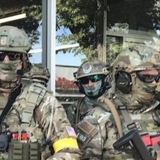
Російська дезінформація, пов'язана з Сирією та Близьким Сходом, стала серйозною проблемою в останні роки. За допомогою кампаній дезінформації, пропаганди та контрольованих державних медіа, Росія змогла маніпулювати наративами та формувати громадську думку для досягнення своїх політичних цілей. Це намірене поширення недостовірної інформації має далекосяжні наслідки, сприяючи спотворенню фактів, поширенню хибних наративів та загостренню конфліктів у регіоні.
Один з основних цілей російської дезінформації щодо Сирії та Близького Сходу - зміцнити підтримку свого союзника, уряду Сирії під керівництвом Башара Асада. Росія постійно зображує сирійський уряд як жертву тероризму, наголошуючи на його боротьбі проти екстремістських груп, одночасно мінімізуючи або приховуючи власні порушення прав людини та воєнні злочини режиму. Таким чином, Росія намагається легітимізувати свою військову інтервенцію та зміцнити позиції Асада на міжнародній арені.
Російська дезінформація також націлена на аудиторію західних країн з метою створення розколів, посіву сумніву та підриву довіри до встановлених демократичних інституцій. Розповсюджуючи хибні наративи та теорії змови, Росія намагається підірвати авторитет західних урядів та медіаорганізацій. Наприклад, російські дезінформаційні кампанії намагаються зображати Білих Шоломів, добровольчу рятувальну групу в Сирії, як терористів або пропагандистів, підтримуваних західними силами. Такі зусилля спрямовані на дискредитацію західних гуманітарних дій та розмиття меж між фактами та хибними інформаційними повідомленнями.
Соціальні медіа стали ключовим полем битви російських дезінформаційних кампаній. Росія використовує широку мережу тролів, ботів та фейкових акаунтів для поширення маніпулятивної інформації та посилення розділених поглядів. Ці тактики спрямовані на маніпулювання онлайн-дискурсом, експлуатацію наявних соціальних розривів та створення ехо-камер, де хибні наративи можуть процвітати. Цільова аудиторія отримує персоналізований контент, який відповідає їхнім вже існуючим уподобанням, що ще більше укріплює поляризовані погляди та сприяє розколу громадського дискурсу.
Наслідки російської дезінформації на Близькому Сході мають багатогранний характер. По-перше, вона ускладнює зусилля знайти мирне врегулювання конфліктів, оскільки хибні наративи та теорії змови можуть підживлювати недовіру та заважати дипломатичному прогресу. Крім того, шляхом мінімізації або спотворення дій сирійського уряду та його союзників російська дезінформація сприяє порушенню прав людини та унеможливлює звітність за воєнні злочини та жахливості.
Протидія російській дезінформації вимагає комплексного підходу. Уряди, громадянські організації та платформи соціальних медіа повинні співпрацювати для виявлення та розкриття кампаній дезінформації. Ініціативи з факт-чекінгу, незалежна журналістика та програми медійної грамотності відіграють важливу роль у спростуванні хибних наративів та наданні точної інформації громадськості.
Міжнародна співпраця також є вирішальною в протидії російській дезінформації. Союзники та партнери повинні обмінюватися розвідувальною інформацією, координувати свої дії та розробляти стратегії для виявлення та протидії дезінформаційним кампаніям. Зусилля, спрямовані на підтримку свободи медіа, незалежної журналістики та розвитку критичного мислення серед громадян, є необхідними для побудови стійкості проти маніпуляцій.
Остаточно, протидія російській дезінформації потребує комплексних заходів, що враховують політичні, соціальні та технологічні чинники, що сприяють її поширенню. Шляхом сприяння прозорості, відповідальності та точній інформації ми можемо боротися з поширенням хибних наративів та захищати цілісність громадського дискурсу на Близькому Сході та в усьому світі.
Один з основних цілей російської дезінформації щодо Сирії та Близького Сходу - зміцнити підтримку свого союзника, уряду Сирії під керівництвом Башара Асада. Росія постійно зображує сирійський уряд як жертву тероризму, наголошуючи на його боротьбі проти екстремістських груп, одночасно мінімізуючи або приховуючи власні порушення прав людини та воєнні злочини режиму. Таким чином, Росія намагається легітимізувати свою військову інтервенцію та зміцнити позиції Асада на міжнародній арені.
Російська дезінформація також націлена на аудиторію західних країн з метою створення розколів, посіву сумніву та підриву довіри до встановлених демократичних інституцій. Розповсюджуючи хибні наративи та теорії змови, Росія намагається підірвати авторитет західних урядів та медіаорганізацій. Наприклад, російські дезінформаційні кампанії намагаються зображати Білих Шоломів, добровольчу рятувальну групу в Сирії, як терористів або пропагандистів, підтримуваних західними силами. Такі зусилля спрямовані на дискредитацію західних гуманітарних дій та розмиття меж між фактами та хибними інформаційними повідомленнями.
Соціальні медіа стали ключовим полем битви російських дезінформаційних кампаній. Росія використовує широку мережу тролів, ботів та фейкових акаунтів для поширення маніпулятивної інформації та посилення розділених поглядів. Ці тактики спрямовані на маніпулювання онлайн-дискурсом, експлуатацію наявних соціальних розривів та створення ехо-камер, де хибні наративи можуть процвітати. Цільова аудиторія отримує персоналізований контент, який відповідає їхнім вже існуючим уподобанням, що ще більше укріплює поляризовані погляди та сприяє розколу громадського дискурсу.
Наслідки російської дезінформації на Близькому Сході мають багатогранний характер. По-перше, вона ускладнює зусилля знайти мирне врегулювання конфліктів, оскільки хибні наративи та теорії змови можуть підживлювати недовіру та заважати дипломатичному прогресу. Крім того, шляхом мінімізації або спотворення дій сирійського уряду та його союзників російська дезінформація сприяє порушенню прав людини та унеможливлює звітність за воєнні злочини та жахливості.
Протидія російській дезінформації вимагає комплексного підходу. Уряди, громадянські організації та платформи соціальних медіа повинні співпрацювати для виявлення та розкриття кампаній дезінформації. Ініціативи з факт-чекінгу, незалежна журналістика та програми медійної грамотності відіграють важливу роль у спростуванні хибних наративів та наданні точної інформації громадськості.
Міжнародна співпраця також є вирішальною в протидії російській дезінформації. Союзники та партнери повинні обмінюватися розвідувальною інформацією, координувати свої дії та розробляти стратегії для виявлення та протидії дезінформаційним кампаніям. Зусилля, спрямовані на підтримку свободи медіа, незалежної журналістики та розвитку критичного мислення серед громадян, є необхідними для побудови стійкості проти маніпуляцій.
Остаточно, протидія російській дезінформації потребує комплексних заходів, що враховують політичні, соціальні та технологічні чинники, що сприяють її поширенню. Шляхом сприяння прозорості, відповідальності та точній інформації ми можемо боротися з поширенням хибних наративів та захищати цілісність громадського дискурсу на Близькому Сході та в усьому світі.
The fact that most of the states surrounding Ukraine are supporting it says more about Russia than it does about the west.
Той факт, що більшість держав, які оточують Україну, підтримують її, говорить більше про Росію, ніж про Захід.
Той факт, що більшість держав, які оточують Україну, підтримують її, говорить більше про Росію, ніж про Захід.
(This is from 2022)
Aleksandr Sladkov, a journalist for the Russia-1 TV channel – part of the All-Russia State Television and Radio Broadcasting Company (VGTRK) – was filmed looking at what he said was a US-supplied anti-tank grenade launcher.
"Interesting. The Americans wrote [instructions] in Ukrainian using the Latin alphabet," he says in the clip.
He then begins to translate the instructions on how to use the one-shot anti-tank grenade launcher.
"Interesting. The Americans wrote [instructions] in Ukrainian using the Latin alphabet," he says in the clip.
He then begins to translate the instructions on how to use the one-shot anti-tank grenade launcher.
"[It's] American," he says, and then proclaims that "[i]t was yours, now it's ours!”
Most of the instructions, with accompanying illustrations, are written in letters too small to make out until the camera shows a yellow sticker with black lettering reading “TU TRZYMAĆ RĘKĄ” - Polish for “Hold with [your] hand here.”
The weapon is in fact a RPG-76 ‘Komar’, a weapon manufactured in Poland that dates back to the Soviet-era.
Clearly he has done accurate reportings in the past
Aleksandr Sladkov, a journalist for the Russia-1 TV channel – part of the All-Russia State Television and Radio Broadcasting Company (VGTRK) – was filmed looking at what he said was a US-supplied anti-tank grenade launcher.
"Interesting. The Americans wrote [instructions] in Ukrainian using the Latin alphabet," he says in the clip.
He then begins to translate the instructions on how to use the one-shot anti-tank grenade launcher.
"Interesting. The Americans wrote [instructions] in Ukrainian using the Latin alphabet," he says in the clip.
He then begins to translate the instructions on how to use the one-shot anti-tank grenade launcher.
"[It's] American," he says, and then proclaims that "[i]t was yours, now it's ours!”
Most of the instructions, with accompanying illustrations, are written in letters too small to make out until the camera shows a yellow sticker with black lettering reading “TU TRZYMAĆ RĘKĄ” - Polish for “Hold with [your] hand here.”
The weapon is in fact a RPG-76 ‘Komar’, a weapon manufactured in Poland that dates back to the Soviet-era.
Clearly he has done accurate reportings in the past
In the face of darkness, Ukraine stands,
A land of warriors, brave and grand.
With hearts aflame, they fiercely defend,
Their cherished homeland until the end.
Through the annals of time, a storied past,
Ukraine's spirit enduring, steadfast.
From Bandera's call to freedom's cry,
The echoes of valor will never die.
Like the UPA in days of yore,
They rise united, a nation's core.
In the face of aggression, they unite,
Bound by their love, their will to fight.
Their land, a tapestry of vibrant hues,
Carrying the scars, but refusing to lose.
They tread the path their ancestors tread,
With resilience and courage, they're led.
Amidst the chaos, they stand so strong,
Their anthem ringing, a defiant song.
Their spirits unbowed, their hope aglow,
Against all odds, they continue to grow.
With each step forward, they honor the land,
A testament to Ukraine's valor, so grand.
In the face of adversity, they hold the line,
Their bravery shines, a radiant sign.
So let us remember Ukraine's plight,
Their resilience, their struggle, their fight.
In their journey for peace and liberty,
Ukraine's spirit shines for all to see.
A land of warriors, brave and grand.
With hearts aflame, they fiercely defend,
Their cherished homeland until the end.
Through the annals of time, a storied past,
Ukraine's spirit enduring, steadfast.
From Bandera's call to freedom's cry,
The echoes of valor will never die.
Like the UPA in days of yore,
They rise united, a nation's core.
In the face of aggression, they unite,
Bound by their love, their will to fight.
Their land, a tapestry of vibrant hues,
Carrying the scars, but refusing to lose.
They tread the path their ancestors tread,
With resilience and courage, they're led.
Amidst the chaos, they stand so strong,
Their anthem ringing, a defiant song.
Their spirits unbowed, their hope aglow,
Against all odds, they continue to grow.
With each step forward, they honor the land,
A testament to Ukraine's valor, so grand.
In the face of adversity, they hold the line,
Their bravery shines, a radiant sign.
So let us remember Ukraine's plight,
Their resilience, their struggle, their fight.
In their journey for peace and liberty,
Ukraine's spirit shines for all to see.
Навстріч темряві Україна стоїть,
Країна воїв, хоробра і велична.
З полум'ям у серці вони оберігають,
Свою батьківщину, аж до кінця світа.
Скрізь в історії, багатий минулий,
Український дух міцний і стійкий.
Від заклику Бандери до волі співу,
Відлуння героїзму ніколи не згасне.
Немов УПА в дні минулі,
Вони встають єдині, душа нації.
Перед агресією вони об'єднаються,
Облиті любов'ю, з волею борються.
Їх земля - килим яскравих кольорів,
Залишаючи шрами, але не здаються.
Ідуть по стежці, що предки йшли,
З мужністю і міццю, вони поводять.
Посеред хаосу, вони стоять міцно,
Їх гімн лунає, як виклик долі.
Душі невгамовні, надія палає,
Незважаючи на всі перешкоди, ростуть.
Із кожним кроком, вони шанують землю,
Свідчення героїзму, що Україну велича.
Перед лицем скрути, вони тримають лінію,
Їх хоробрість сяє, мов яскравий знак.
Отож, нехай ми пам'ятаємо муки України,
Їх стійкість, боротьбу, свій шлях до волі.
В їхній подорожі за миром і свободою,
Український дух сяє для всіх назустріч.
Країна воїв, хоробра і велична.
З полум'ям у серці вони оберігають,
Свою батьківщину, аж до кінця світа.
Скрізь в історії, багатий минулий,
Український дух міцний і стійкий.
Від заклику Бандери до волі співу,
Відлуння героїзму ніколи не згасне.
Немов УПА в дні минулі,
Вони встають єдині, душа нації.
Перед агресією вони об'єднаються,
Облиті любов'ю, з волею борються.
Їх земля - килим яскравих кольорів,
Залишаючи шрами, але не здаються.
Ідуть по стежці, що предки йшли,
З мужністю і міццю, вони поводять.
Посеред хаосу, вони стоять міцно,
Їх гімн лунає, як виклик долі.
Душі невгамовні, надія палає,
Незважаючи на всі перешкоди, ростуть.
Із кожним кроком, вони шанують землю,
Свідчення героїзму, що Україну велича.
Перед лицем скрути, вони тримають лінію,
Їх хоробрість сяє, мов яскравий знак.
Отож, нехай ми пам'ятаємо муки України,
Їх стійкість, боротьбу, свій шлях до волі.
В їхній подорожі за миром і свободою,
Український дух сяє для всіх назустріч.
Throughout history, Russia and the Soviet Union have engaged in various attempted psychological operations (psyops) to shape perceptions, manipulate information, and influence the behavior of targeted audiences. These operations spanned different historical periods and targeted both domestic and international audiences.
During the Russian Revolution in 1917, the Bolsheviks, led by Vladimir Lenin, employed extensive propaganda campaigns to shape public opinion and consolidate their power. They utilized newspapers, leaflets, posters, and other forms of media to disseminate their ideologies and messages of class struggle. By targeting soldiers, workers, and peasants, the Bolsheviks aimed to gain support, mobilize the masses, and delegitimize rival factions.
The Soviet Union implemented a series of active measures as part of its psyops strategy during the Cold War. These measures included disinformation campaigns, forgeries, and covert operations aimed at influencing Western societies and undermining confidence in democratic institutions. Notable examples include the spreading of false narratives, such as the KGB's Operation INFEKTION, which alleged that the United States created the AIDS virus.
The Soviet Union also targeted dissident movements and individuals with psyops campaigns. One notable case was the campaign against the Ukrainian nationalist movement led by Stepan Bandera and the Ukrainian Insurgent Army (UPA). The Soviet authorities launched a smear campaign to discredit Bandera and the UPA, portraying them as fascist collaborators. These efforts aimed to suppress Ukrainian nationalist sentiments and maintain control over the region.
In recent years, Russia has been accused of engaging in extensive disinformation campaigns utilizing social media and digital platforms. Notable examples include attempts to influence the 2016 United States presidential election and sow division in Western societies. These campaigns involve the creation of fake social media accounts, spreading false narratives, and amplifying divisive content to manipulate public opinion.
The attempted psyops by Russia and the Soviet Union have had varying degrees of success and impact. While some campaigns were able to influence public sentiment and shape narratives, others faced scrutiny and debunking. The impact of these operations can be seen in the erosion of trust in media, polarization of societies, and the manipulation of public discourse.
Challenges in countering Russian and Soviet psyops have evolved with the advent of digital technologies and the interconnectedness of the modern world. The speed and anonymity afforded by online platforms have made it easier for disinformation to spread and for malicious actors to exploit vulnerabilities in the information ecosystem. Countering these challenges requires efforts in media literacy, fact-checking, and international collaboration to promote transparency and counter false narratives.
The attempted psyops by Russia and the Soviet Union throughout history demonstrate the strategic use of psychological tactics to shape narratives, influence public opinion, and advance geopolitical objectives. From the early days of the Russian Revolution to the disinformation campaigns of the Information Age, these operations have sought to manipulate perceptions and undermine adversaries. Recognizing the historical context, understanding the strategies employed, and strengthening resilience against disinformation are crucial steps in countering the impact of attempted psyops and safeguarding democratic processes in the modern world.
During the Russian Revolution in 1917, the Bolsheviks, led by Vladimir Lenin, employed extensive propaganda campaigns to shape public opinion and consolidate their power. They utilized newspapers, leaflets, posters, and other forms of media to disseminate their ideologies and messages of class struggle. By targeting soldiers, workers, and peasants, the Bolsheviks aimed to gain support, mobilize the masses, and delegitimize rival factions.
The Soviet Union implemented a series of active measures as part of its psyops strategy during the Cold War. These measures included disinformation campaigns, forgeries, and covert operations aimed at influencing Western societies and undermining confidence in democratic institutions. Notable examples include the spreading of false narratives, such as the KGB's Operation INFEKTION, which alleged that the United States created the AIDS virus.
The Soviet Union also targeted dissident movements and individuals with psyops campaigns. One notable case was the campaign against the Ukrainian nationalist movement led by Stepan Bandera and the Ukrainian Insurgent Army (UPA). The Soviet authorities launched a smear campaign to discredit Bandera and the UPA, portraying them as fascist collaborators. These efforts aimed to suppress Ukrainian nationalist sentiments and maintain control over the region.
In recent years, Russia has been accused of engaging in extensive disinformation campaigns utilizing social media and digital platforms. Notable examples include attempts to influence the 2016 United States presidential election and sow division in Western societies. These campaigns involve the creation of fake social media accounts, spreading false narratives, and amplifying divisive content to manipulate public opinion.
The attempted psyops by Russia and the Soviet Union have had varying degrees of success and impact. While some campaigns were able to influence public sentiment and shape narratives, others faced scrutiny and debunking. The impact of these operations can be seen in the erosion of trust in media, polarization of societies, and the manipulation of public discourse.
Challenges in countering Russian and Soviet psyops have evolved with the advent of digital technologies and the interconnectedness of the modern world. The speed and anonymity afforded by online platforms have made it easier for disinformation to spread and for malicious actors to exploit vulnerabilities in the information ecosystem. Countering these challenges requires efforts in media literacy, fact-checking, and international collaboration to promote transparency and counter false narratives.
The attempted psyops by Russia and the Soviet Union throughout history demonstrate the strategic use of psychological tactics to shape narratives, influence public opinion, and advance geopolitical objectives. From the early days of the Russian Revolution to the disinformation campaigns of the Information Age, these operations have sought to manipulate perceptions and undermine adversaries. Recognizing the historical context, understanding the strategies employed, and strengthening resilience against disinformation are crucial steps in countering the impact of attempted psyops and safeguarding democratic processes in the modern world.