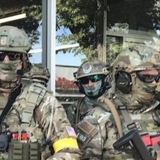
The situation in Russian-occupied Donbass is one characterized by uncertainty and vulnerability. History has shown that Russia, and its predecessor the Soviet Union, have a tendency to abandon or betray subjects they no longer find useful.
In 1956, Hungary experienced a popular uprising against Soviet-imposed communist rule. As the revolution gained momentum, the Soviet Union initially appeared receptive to the demands of the Hungarian people. However, when it became clear that the revolution posed a threat to Soviet control, the USSR brutally suppressed the uprising, betraying the hopes and aspirations of the Hungarian people.
In 1979, the Soviet Union invaded Afghanistan to prop up a pro-Soviet regime. The occupation lasted for nearly a decade, resulting in a prolonged and costly war. However, as international pressure mounted and the cost of the conflict became unsustainable, the Soviet Union eventually withdrew its forces, leaving behind a war-torn country in chaos.
Drawing parallels from history, it is conceivable that Russian-occupied Donbass may face a similar fate of abandonment when it no longer serves Russia's interests. Russia's involvement in the conflict in Donbass has been driven by geopolitical calculations, including exerting influence over Ukraine, maintaining a buffer zone, and undermining Ukraine's sovereignty. However, as circumstances change, the Donbass region may lose its strategic significance, making it vulnerable to being cast aside by Russia.
Donbass, a heavily industrialized region, requires significant financial resources to maintain stability and support its infrastructure. As Russia's economic situation evolves or geopolitical priorities shift, sustaining the economic burden of Donbass may become increasingly unviable, leading to a potential abandonment.
Russia's intervention in Donbass has been driven by its desire to manipulate and destabilize Ukraine. Once the objectives of undermining Ukrainian sovereignty and exerting influence are achieved, Russia may deem Donbass expendable and choose to stab it in the back as they have done before.
In 1956, Hungary experienced a popular uprising against Soviet-imposed communist rule. As the revolution gained momentum, the Soviet Union initially appeared receptive to the demands of the Hungarian people. However, when it became clear that the revolution posed a threat to Soviet control, the USSR brutally suppressed the uprising, betraying the hopes and aspirations of the Hungarian people.
In 1979, the Soviet Union invaded Afghanistan to prop up a pro-Soviet regime. The occupation lasted for nearly a decade, resulting in a prolonged and costly war. However, as international pressure mounted and the cost of the conflict became unsustainable, the Soviet Union eventually withdrew its forces, leaving behind a war-torn country in chaos.
Drawing parallels from history, it is conceivable that Russian-occupied Donbass may face a similar fate of abandonment when it no longer serves Russia's interests. Russia's involvement in the conflict in Donbass has been driven by geopolitical calculations, including exerting influence over Ukraine, maintaining a buffer zone, and undermining Ukraine's sovereignty. However, as circumstances change, the Donbass region may lose its strategic significance, making it vulnerable to being cast aside by Russia.
Donbass, a heavily industrialized region, requires significant financial resources to maintain stability and support its infrastructure. As Russia's economic situation evolves or geopolitical priorities shift, sustaining the economic burden of Donbass may become increasingly unviable, leading to a potential abandonment.
Russia's intervention in Donbass has been driven by its desire to manipulate and destabilize Ukraine. Once the objectives of undermining Ukrainian sovereignty and exerting influence are achieved, Russia may deem Donbass expendable and choose to stab it in the back as they have done before.
Ситуація в окупованому Росією Донбасі характеризується невизначеністю та вразливістю. Історія показує, що Росія та її попередник, Радянський Союз, мають тенденцію покидати або зраджувати території, які вони вже не вважають корисними.
У 1956 році Угорщина пережила народне повстання проти радянського комуністичного правління. Початково Радянський Союз здавалося бути відкритим до вимог угорського народу. Однак, коли стало зрозумілим, що повстання загрожує радянському контролю, СРСР жорстоко придушив повстання, зраджуючи надії та прагнення угорського народу.
У 1979 році Радянський Союз вторгся в Афганістан, щоб підтримати прорадянський режим. Окупація тривала майже десять років і призвела до тривалої та витратної війни. Однак, коли міжнародний тиск посилювався, а вартість конфлікту стала непереборною, Радянський Союз урешті вивів свої війська, залишивши країну, зруйновану війною, в хаосі.
Дивлячись на історію, можна припустити, що російський окупований Донбас може зазнати подібної долі зради, коли він більше не служитиме інтересам Росії. Участь Росії в конфлікті в Донбасі визначена геополітичними обчисленнями, включаючи вплив на Україну, збереження буферної зони та підрив суверенітету України. Однак, змінюються обставини, Донбас може втратити свою стратегічну вагомість, зробивши його вразливим перед відкиданням Росією.
Донбас, який є сильно індустріалізованою областю, потребує значних фінансових ресурсів для підтримки стабільності та інфраструктури. Зміна економічної ситуації в Росії або зміна геополітичних пріоритетів може зробити нездійсненним підтримку економічного тягаря Донбасу, що може призвести до потенційного зрадження.
Втручання Росії в Донбас обумовлене її бажанням маніпулювати та дестабілізувати Україну. Як тільки будуть досягнуті цілі по підриву українського суверенітету та впливу, Росія може вважати Донбас зайвим і обрати шлях зради, як вона робила раніше.
У 1956 році Угорщина пережила народне повстання проти радянського комуністичного правління. Початково Радянський Союз здавалося бути відкритим до вимог угорського народу. Однак, коли стало зрозумілим, що повстання загрожує радянському контролю, СРСР жорстоко придушив повстання, зраджуючи надії та прагнення угорського народу.
У 1979 році Радянський Союз вторгся в Афганістан, щоб підтримати прорадянський режим. Окупація тривала майже десять років і призвела до тривалої та витратної війни. Однак, коли міжнародний тиск посилювався, а вартість конфлікту стала непереборною, Радянський Союз урешті вивів свої війська, залишивши країну, зруйновану війною, в хаосі.
Дивлячись на історію, можна припустити, що російський окупований Донбас може зазнати подібної долі зради, коли він більше не служитиме інтересам Росії. Участь Росії в конфлікті в Донбасі визначена геополітичними обчисленнями, включаючи вплив на Україну, збереження буферної зони та підрив суверенітету України. Однак, змінюються обставини, Донбас може втратити свою стратегічну вагомість, зробивши його вразливим перед відкиданням Росією.
Донбас, який є сильно індустріалізованою областю, потребує значних фінансових ресурсів для підтримки стабільності та інфраструктури. Зміна економічної ситуації в Росії або зміна геополітичних пріоритетів може зробити нездійсненним підтримку економічного тягаря Донбасу, що може призвести до потенційного зрадження.
Втручання Росії в Донбас обумовлене її бажанням маніпулювати та дестабілізувати Україну. Як тільки будуть досягнуті цілі по підриву українського суверенітету та впливу, Росія може вважати Донбас зайвим і обрати шлях зради, як вона робила раніше.
The United States and the Soviet Union were two influential powers during the Cold War, representing contrasting socio-political systems that had profound effects on the lives of their citizens. Life in the USA was significantly better than life in the USSR, as Americans enjoyed things such as individual freedoms, economic prosperity, and improved quality of life.
One of the most glaring differences between the USA and the USSR was the degree of individual freedoms. In the USA, citizens enjoyed a wide range of civil liberties, including freedom of speech, assembly, and religion. This allowed for diverse perspectives, vibrant public discourse, and the ability to openly criticize the government. Conversely, the USSR under Soviet rule severely restricted personal freedoms, curtailed freedom of expression, and suppressed dissenting voices through state control of media and pervasive surveillance.
The USA's market-based economy fostered entrepreneurship, innovation, and competition, leading to sustained economic growth and increased living standards for its citizens. The American dream of upward mobility and the pursuit of individual success were achievable goals for many. In contrast, the centrally planned economy of the USSR hindered economic progress, stifled innovation, and resulted in widespread scarcity, inefficiency, and limited consumer choices.
Life in the USA offered a higher standard of living with access to a wide range of consumer goods, advanced healthcare systems, and quality education. The American emphasis on individualism and personal achievement created a society that encouraged self-improvement and rewarded hard work. On the other hand, the USSR struggled with shortages of basic necessities, limited access to healthcare and education, and a general lack of consumer goods, leading to a lower quality of life for many citizens.
Modern-day Russia, under President Vladimir Putin's leadership, exhibits certain similarities with the USSR in terms of centralization of power, limitations on press freedom, and restrictions on civil liberties. These tendencies have raised concerns about the erosion of democratic norms. However, it is important to note that the modern USA, despite its own challenges, maintains a vibrant democratic system with checks and balances, respect for individual rights, and a commitment to pluralism.
Life in the USA was undoubtedly superior to life in the USSR, as evidenced by the greater emphasis on individual freedoms, economic prosperity, and overall quality of life. While certain parallels can be drawn between Russia, the USSR and the US, the fundamental differences in political systems, respect for individual rights, and commitment to democratic principles remain significant. Recognizing these contrasts allows us to appreciate the strengths of the American society and the importance of upholding the values and institutions that contribute to a better quality of life for its citizens.
One of the most glaring differences between the USA and the USSR was the degree of individual freedoms. In the USA, citizens enjoyed a wide range of civil liberties, including freedom of speech, assembly, and religion. This allowed for diverse perspectives, vibrant public discourse, and the ability to openly criticize the government. Conversely, the USSR under Soviet rule severely restricted personal freedoms, curtailed freedom of expression, and suppressed dissenting voices through state control of media and pervasive surveillance.
The USA's market-based economy fostered entrepreneurship, innovation, and competition, leading to sustained economic growth and increased living standards for its citizens. The American dream of upward mobility and the pursuit of individual success were achievable goals for many. In contrast, the centrally planned economy of the USSR hindered economic progress, stifled innovation, and resulted in widespread scarcity, inefficiency, and limited consumer choices.
Life in the USA offered a higher standard of living with access to a wide range of consumer goods, advanced healthcare systems, and quality education. The American emphasis on individualism and personal achievement created a society that encouraged self-improvement and rewarded hard work. On the other hand, the USSR struggled with shortages of basic necessities, limited access to healthcare and education, and a general lack of consumer goods, leading to a lower quality of life for many citizens.
Modern-day Russia, under President Vladimir Putin's leadership, exhibits certain similarities with the USSR in terms of centralization of power, limitations on press freedom, and restrictions on civil liberties. These tendencies have raised concerns about the erosion of democratic norms. However, it is important to note that the modern USA, despite its own challenges, maintains a vibrant democratic system with checks and balances, respect for individual rights, and a commitment to pluralism.
Life in the USA was undoubtedly superior to life in the USSR, as evidenced by the greater emphasis on individual freedoms, economic prosperity, and overall quality of life. While certain parallels can be drawn between Russia, the USSR and the US, the fundamental differences in political systems, respect for individual rights, and commitment to democratic principles remain significant. Recognizing these contrasts allows us to appreciate the strengths of the American society and the importance of upholding the values and institutions that contribute to a better quality of life for its citizens.
Сполучені Штати та Радянський Союз були двома впливовими державами під час Холодної війни, які представляли протилежні соціально-політичні системи, які мали глибокий вплив на життя їх громадян. Життя в США було значно кращим, ніж в СРСР, оскільки американці мали індивідуальні свободи, економічне процвітання та покращення якості життя.
Однією з найвидиміших різниць між США та СРСР був рівень індивідуальних свобод. У США громадяни насолоджувалися широким спектром громадянських свобод, включаючи свободу слова, зборів та релігії. Це створювало можливість для різноманітних поглядів, жвавого громадського діалогу та можливості відкрито критикувати уряд. Навпаки, СРСР під радянським правлінням суворо обмежував особисті свободи, обмежував свободу вираження думки та пригнічував голоси незгоди через державний контроль над ЗМІ та всеосяжний нагляд.
Ринкова економіка США сприяла підприємництву, інноваціям та конкуренції, що призвело до стійкого економічного зростання та підвищення життєвого рівня громадян. "Американська мрія" соціального руху вгору та прагнення до індивідуального успіху були досяжними цілями для багатьох. Натомість, централізована планова економіка СРСР гальмувала економічний прогрес, пригнічувала інновації та призводила до всеосяжних дефіцитів, неефективності та обмеженого вибору товарів для споживачів.
Життя в США пропонувало вищий рівень життя з доступом до різноманітних товарів для споживання, розвинутих систем охорони здоров'я та якісної освіти. Американський акцент на індивідуалізм та особисті досягнення створював суспільство, що сприяло самовдосконаленню та винагороджувало працьовитість. З іншого боку, СРСР зіткнулася з нестачами основних потреб, обмеженим доступом до медичної допомоги та освіти та загальною нестачею товарів для споживання, що призводило до нижчого рівня якості життя для багатьох громадян.
Сучасна Росія під керівництвом президента Володимира Путіна має певні схожості з СРСР щодо централізації влади, обмежень свободи преси та обмежень громадянських свобод. Ці тенденції викликають серйозні стурбованості стосовно порушення демократичних норм. Однак, важливо зауважити, що сучасні Сполучені Штати, незважаючи на свої власні виклики, зберігають живу демократичну систему з системою розподілу влади, повагою до індивідуальних прав та зобов'язанням до плюралізму.
Життя в США було незаперечно кращим, ніж в СРСР, що свідчить про більшу акцентуацію індивідуальних свобод, економічного процвітання та загальної якості життя. Хоча можна провести певні паралелі між сучасною Росією, СРСР і США, фундаментальні різниці в політичних системах, повазі до індивідуальних прав та зобов'язанні до демократичних принципів залишаються значущими. Розуміння цих відмінностей дозволяє оцінити сильні сторони американського суспільства та важливість збереження цінностей та інститутів, які сприяють вищому рівню якості життя для її громадян.
Однією з найвидиміших різниць між США та СРСР був рівень індивідуальних свобод. У США громадяни насолоджувалися широким спектром громадянських свобод, включаючи свободу слова, зборів та релігії. Це створювало можливість для різноманітних поглядів, жвавого громадського діалогу та можливості відкрито критикувати уряд. Навпаки, СРСР під радянським правлінням суворо обмежував особисті свободи, обмежував свободу вираження думки та пригнічував голоси незгоди через державний контроль над ЗМІ та всеосяжний нагляд.
Ринкова економіка США сприяла підприємництву, інноваціям та конкуренції, що призвело до стійкого економічного зростання та підвищення життєвого рівня громадян. "Американська мрія" соціального руху вгору та прагнення до індивідуального успіху були досяжними цілями для багатьох. Натомість, централізована планова економіка СРСР гальмувала економічний прогрес, пригнічувала інновації та призводила до всеосяжних дефіцитів, неефективності та обмеженого вибору товарів для споживачів.
Життя в США пропонувало вищий рівень життя з доступом до різноманітних товарів для споживання, розвинутих систем охорони здоров'я та якісної освіти. Американський акцент на індивідуалізм та особисті досягнення створював суспільство, що сприяло самовдосконаленню та винагороджувало працьовитість. З іншого боку, СРСР зіткнулася з нестачами основних потреб, обмеженим доступом до медичної допомоги та освіти та загальною нестачею товарів для споживання, що призводило до нижчого рівня якості життя для багатьох громадян.
Сучасна Росія під керівництвом президента Володимира Путіна має певні схожості з СРСР щодо централізації влади, обмежень свободи преси та обмежень громадянських свобод. Ці тенденції викликають серйозні стурбованості стосовно порушення демократичних норм. Однак, важливо зауважити, що сучасні Сполучені Штати, незважаючи на свої власні виклики, зберігають живу демократичну систему з системою розподілу влади, повагою до індивідуальних прав та зобов'язанням до плюралізму.
Життя в США було незаперечно кращим, ніж в СРСР, що свідчить про більшу акцентуацію індивідуальних свобод, економічного процвітання та загальної якості життя. Хоча можна провести певні паралелі між сучасною Росією, СРСР і США, фундаментальні різниці в політичних системах, повазі до індивідуальних прав та зобов'язанні до демократичних принципів залишаються значущими. Розуміння цих відмінностей дозволяє оцінити сильні сторони американського суспільства та важливість збереження цінностей та інститутів, які сприяють вищому рівню якості життя для її громадян.
The 4th of July is a momentous occasion in the United States, marking the celebration of independence and the birth of a nation. It is a day that holds deep significance and embodies the principles of liberty, democracy, and the pursuit of happiness. On this day, Americans come together to commemorate the struggles, sacrifices, and triumphs that have shaped their nation.
The 4th of July represents the culmination of a hard-fought journey towards freedom. It was on this day in 1776 that the Declaration of Independence was adopted, boldly declaring the separation of the American colonies from British rule. The document itself stands as a testament to the unwavering spirit of the American people, their yearning for self-governance, and their belief in the inherent rights of all individuals.
This day serves as a reminder of the countless patriots who dedicated their lives to the cause of liberty. From the soldiers who fought valiantly on the battlefield to the visionaries who penned the Constitution, the United States owes its existence to the courage and perseverance of its founding fathers and mothers. Their legacy continues to inspire generations, reminding us of the importance of upholding the principles upon which the nation was built.
The 4th of July is not only a commemoration of the past but also a celebration of the present. It is an opportunity for Americans to reflect on the progress made as a nation, the diverse tapestry of cultures and backgrounds that enrich its society, and the shared values that bind its people together. It is a time to honor the freedoms enjoyed, the opportunities available, and the unyielding spirit of innovation that has propelled the United States forward.
On this day, communities across the country come alive with vibrant displays of patriotism. Parades, fireworks, and gatherings fill the streets, fostering a sense of unity and pride. Americans from all walks of life, regardless of their differences, join together to celebrate the ideals that have made their nation a beacon of hope and inspiration around the world.
The 4th of July serves as a reminder of the ongoing pursuit of freedom and justice. It challenges Americans to strive for a more perfect union, to confront the challenges that lie ahead, and to work towards a society that embodies the principles of equality and inclusivity. It is a day that calls for reflection, action, and a renewed commitment to the values that define the United States.
As the fireworks light up the night sky, the 4th of July reminds us that the American spirit remains unbreakable. It is a day to honor the past, celebrate the present, and look towards the future with optimism and determination. The 4th of July is a time to cherish the freedoms enjoyed and to reaffirm the shared responsibility of safeguarding those liberties for generations to come.
So, as Americans gather to commemorate Independence Day, let us remember the sacrifices made, the progress achieved, and the extraordinary spirit that has shaped the United States. May this day serve as a reminder of the enduring power of freedom, the resilience of the American people, and the boundless possibilities that lie ahead.
Happy 4th of July!
The 4th of July represents the culmination of a hard-fought journey towards freedom. It was on this day in 1776 that the Declaration of Independence was adopted, boldly declaring the separation of the American colonies from British rule. The document itself stands as a testament to the unwavering spirit of the American people, their yearning for self-governance, and their belief in the inherent rights of all individuals.
This day serves as a reminder of the countless patriots who dedicated their lives to the cause of liberty. From the soldiers who fought valiantly on the battlefield to the visionaries who penned the Constitution, the United States owes its existence to the courage and perseverance of its founding fathers and mothers. Their legacy continues to inspire generations, reminding us of the importance of upholding the principles upon which the nation was built.
The 4th of July is not only a commemoration of the past but also a celebration of the present. It is an opportunity for Americans to reflect on the progress made as a nation, the diverse tapestry of cultures and backgrounds that enrich its society, and the shared values that bind its people together. It is a time to honor the freedoms enjoyed, the opportunities available, and the unyielding spirit of innovation that has propelled the United States forward.
On this day, communities across the country come alive with vibrant displays of patriotism. Parades, fireworks, and gatherings fill the streets, fostering a sense of unity and pride. Americans from all walks of life, regardless of their differences, join together to celebrate the ideals that have made their nation a beacon of hope and inspiration around the world.
The 4th of July serves as a reminder of the ongoing pursuit of freedom and justice. It challenges Americans to strive for a more perfect union, to confront the challenges that lie ahead, and to work towards a society that embodies the principles of equality and inclusivity. It is a day that calls for reflection, action, and a renewed commitment to the values that define the United States.
As the fireworks light up the night sky, the 4th of July reminds us that the American spirit remains unbreakable. It is a day to honor the past, celebrate the present, and look towards the future with optimism and determination. The 4th of July is a time to cherish the freedoms enjoyed and to reaffirm the shared responsibility of safeguarding those liberties for generations to come.
So, as Americans gather to commemorate Independence Day, let us remember the sacrifices made, the progress achieved, and the extraordinary spirit that has shaped the United States. May this day serve as a reminder of the enduring power of freedom, the resilience of the American people, and the boundless possibilities that lie ahead.
Happy 4th of July!
The United States has been objectively on the right side of history in every single conflict it was involved with except for fighting the wrong enemy in WWII, as Patton said.
The UK is making plans for Russia if it suddenly collapses. This comes after Wagner's coup attempt. The US had also prepared plans for a range of scenarios with Russia. Western capitals are starting to make plans if Wagner is to come in possession of nuclear weapons. Officials in Washington are left wondering if they witnessed an aborted coup or a thwarted mutiny. One senior European Diplomat asked “Why did it calm down so quickly, and how come Putin’s puppet Lukashenko got the credit?” Many western officials are skeptical that this is the end, with some believing that Wagner will either challenge Russia’s military from abroad or that Prigozhin will be killed in Belarus. Also Putin revealed Russia had paid Wagner 68 billion rubles just this year.
Forwarded from 🇺🇦🔱Art of Wartime📡🎨
here is a higher quality remake of this meme. i made it more clear what is left of "Russia" is actually MUSCOVY, the real name
@artofwartimeUA
@artofwartimechat
@artofwartimeua_bot
@artofwartimeUA
@artofwartimechat
@artofwartimeua_bot
Forwarded from 🇺🇦🔱Art of Wartime📡🎨
A Happy Fourth of July to all American subscribers, may the Western world win together against Eastern barbarians
@artofwartimeUA
@artofwartimechat
@artofwartimeua_bot
@artofwartimeUA
@artofwartimechat
@artofwartimeua_bot
Estonian Prime Minister Kaja Kallas on July 4 said that NATO membership "is the only security guarantee" for Ukraine and said it is important that NATO member countries agree during their upcoming summit in Vilnius on "practical steps" on how Ukraine gets into the alliance.
It is important that during the July 11-12 summit members "go beyond the Bucharest wording," she said, referring to the 2008 summit declaration that offered Ukraine an opportunity to join the alliance without a concrete timetable.
But she cautioned that membership won't happen as long as fighting is ongoing.
"Of course, we understand it cannot happen when the war is going on. But we have to have a clear pathway [for] how Ukraine gets there," she said in an interview with RFE/RL in Tallinn one week ahead of the crucial summit.
During the summit, the alliance is expected to seek ways to provide Ukraine additional security guarantees but stop short of full Ukrainian membership, which Ukrainian President Volodymyr Zelenskiy has long pushed for.
What the pathway for Ukrainian membership will look like is currently under discussion as officials from the 31 NATO allies currently negotiate the wording of the summit declaration.
Cars burn at the site of a Russian military strike in the town of Pervomayskiy, Kharkiv region, Ukraine, on July 4.
According to RFE/RL sources familiar with the topic but barred from speaking on the record, the declaration could say that NATO commits to Ukrainian membership when "consequences" or "conditions allow" and that the topic could be reexamined during the NATO summit in Washington next summer.
Another idea being discussed is based on the Cold War model under which West Germany was in NATO and was covered by the alliance's mutual defense clause, Article 5, while East Germany was not.
Kallas, however, poured cold water on such a design, saying it would effectively reward Russia for its invasion.
"The end of the war is when Russia goes back to Russia. If we say…you get some territories, then aggression actually pays off," she said. "It is a very bad signal for international law and also the security of the whole world if [Russian aggression] pays off. That is the most important thing to keep in mind."
Kallas also reflected on the declaration of the Bucharest summit in 2008, which resulted in Ukraine and Georgia often going hand in hand in pursuing NATO membership.
But at the upcoming summit, Ukraine is set to be represented by Zelenskiy, who will meet with the other heads of state and governments, while Georgia will be represented by its foreign minister and participate in a lower-level meeting with other so-called "partners at risk" such as Bosnia-Herzegovina and Moldova.
Asked why this "de-coupling" has occurred, Kallas said the current leadership of Georgia "does not really believe in NATO membership" and pointed to a think-tank event in May in Bratislava in which Georgian Prime Minister Irakli Garibashvili said NATO enlargement was at the root of the war in Ukraine.
"It was the [Bratislava] conference where the prime minister of Georgia was saying that NATO is at fault for the war in Ukraine," she said, adding that the Georgian leader said this even though NATO is a defense alliance.
"NATO has not done anything. Ukraine has not done anything to really provoke Russia to attack them," Kallas said, noting that even Wagner mercenary head Yevgeny Prigozhin said that this has been "a false narrative" of the Russian leadership to justify attacking Ukraine.
She compared the situation in Georgia with that of Ukraine during the 2004-05 Orange Revolution that brought a pro-Western government to power after months of demonstrations prompted by a flawed presidential vote.
"I think Georgia is where Ukraine was years ago when they had the Orange Revolution, so that they also widely consider Europe (the EU) as their future. But that also requires reforms on their side," Kallas said.
It is important that during the July 11-12 summit members "go beyond the Bucharest wording," she said, referring to the 2008 summit declaration that offered Ukraine an opportunity to join the alliance without a concrete timetable.
But she cautioned that membership won't happen as long as fighting is ongoing.
"Of course, we understand it cannot happen when the war is going on. But we have to have a clear pathway [for] how Ukraine gets there," she said in an interview with RFE/RL in Tallinn one week ahead of the crucial summit.
During the summit, the alliance is expected to seek ways to provide Ukraine additional security guarantees but stop short of full Ukrainian membership, which Ukrainian President Volodymyr Zelenskiy has long pushed for.
What the pathway for Ukrainian membership will look like is currently under discussion as officials from the 31 NATO allies currently negotiate the wording of the summit declaration.
Cars burn at the site of a Russian military strike in the town of Pervomayskiy, Kharkiv region, Ukraine, on July 4.
According to RFE/RL sources familiar with the topic but barred from speaking on the record, the declaration could say that NATO commits to Ukrainian membership when "consequences" or "conditions allow" and that the topic could be reexamined during the NATO summit in Washington next summer.
Another idea being discussed is based on the Cold War model under which West Germany was in NATO and was covered by the alliance's mutual defense clause, Article 5, while East Germany was not.
Kallas, however, poured cold water on such a design, saying it would effectively reward Russia for its invasion.
"The end of the war is when Russia goes back to Russia. If we say…you get some territories, then aggression actually pays off," she said. "It is a very bad signal for international law and also the security of the whole world if [Russian aggression] pays off. That is the most important thing to keep in mind."
Kallas also reflected on the declaration of the Bucharest summit in 2008, which resulted in Ukraine and Georgia often going hand in hand in pursuing NATO membership.
But at the upcoming summit, Ukraine is set to be represented by Zelenskiy, who will meet with the other heads of state and governments, while Georgia will be represented by its foreign minister and participate in a lower-level meeting with other so-called "partners at risk" such as Bosnia-Herzegovina and Moldova.
Asked why this "de-coupling" has occurred, Kallas said the current leadership of Georgia "does not really believe in NATO membership" and pointed to a think-tank event in May in Bratislava in which Georgian Prime Minister Irakli Garibashvili said NATO enlargement was at the root of the war in Ukraine.
"It was the [Bratislava] conference where the prime minister of Georgia was saying that NATO is at fault for the war in Ukraine," she said, adding that the Georgian leader said this even though NATO is a defense alliance.
"NATO has not done anything. Ukraine has not done anything to really provoke Russia to attack them," Kallas said, noting that even Wagner mercenary head Yevgeny Prigozhin said that this has been "a false narrative" of the Russian leadership to justify attacking Ukraine.
She compared the situation in Georgia with that of Ukraine during the 2004-05 Orange Revolution that brought a pro-Western government to power after months of demonstrations prompted by a flawed presidential vote.
"I think Georgia is where Ukraine was years ago when they had the Orange Revolution, so that they also widely consider Europe (the EU) as their future. But that also requires reforms on their side," Kallas said.
Прем'єр-міністр Естонії Кая Каллас 4 липня заявила, що членство в НАТО "є єдиним гарантом безпеки" для України і висловила надію, що на саміті членів НАТО в Вільнюсі, що відбудеться 11-12 липня, країни-члени "перейдуть за рамки бухарестського формулювання" і домовляться про "конкретні кроки", як Україна зможе стати членом союзу.
Вона попередила, що членство не станеться, поки тривають бойові дії.
"Звичайно, ми розуміємо, що це не може статися, коли триває війна. Але у нас повинен бути чіткий шлях, яким Україна туди потрапить", - заявила вона в інтерв'ю Радіо Свобода в Таллінні на тиждень до вирішального саміту.
На саміті очікується, що союз буде шукати шляхи забезпечення України додатковими гарантіями безпеки, але не піде далі від повного членства України, яким давно прагнув український президент Володимир Зеленський.
Те, яким буде шлях до членства України, зараз обговорюється, оскільки посадовці з 31 країни-членів НАТО ведуть переговори щодо формулювання декларації саміту.
За даними Радіо Свобода, що володіють джерелами, які близькі до цієї теми, декларація може зазначати, що НАТО зобов'язується до членства України, коли "наслідки" або "умови дозволять", і що це питання може бути переглянуте під час саміту НАТО в Вашингтоні наступного літа.
Також обговорюється ідея, яка базується на моделі холодної війни, коли Західна Німеччина була в НАТО і користувалася положенням про колективну оборону альянсу, статтю 5, тоді як Східна Німеччина ним не скористалася.
Однак Каллас знівечила такий підхід, стверджуючи, що це фактично винагороджуватиме Росію за її вторгнення.
"Кінець війни - це коли Росія повертається в Росію. Якщо ми кажемо... ви отримуєте деякі території, то агресія фактично відплачується", - заявила вона. "Це дуже поганий сигнал для міжнародного права і також для безпеки всього світу, якщо [російська агресія] відплачується. Це найважливіша річ, яку треба пам'ятати."
Каллас також згадала декларацію саміту у Бухаресті 2008 року, яка призвела до того, що Україна і Грузія часто йшли рука об руку у прагненні до членства в НАТО.
Але на майбутньому саміті Україна представлятиме Зеленський, який зустрінеться з іншими главами держав і урядів, тоді як Грузія буде представлена своїм міністром закордонних справ і братиме участь в зустрічі на нижчому рівні з іншими так званими "партнерами у ризику", такими як Боснія і Герцеговина та Молдова.
На запитання, чому відбувається таке "роз'єднання", Каллас сказала, що нинішнє керівництво Грузії "не дуже вірить у членство в НАТО" і посилала на подію думкового центру в травні у Братиславі, де прем'єр-міністр Грузії Іраклій Гарібашвілі заявив, що розширення НАТО було причиною війни в Україні.
"Саме на [конференції у Братиславі] прем'єр-міністр Грузії говорив, що НАТО винне у війні в Україні", - сказала вона, додавши, що грузинський лідер сказав це навіть тоді, коли НАТО є оборонним альянсом.
"НАТО не зробила нічого. Україна не зробила нічого, щоб дійсно провокувати Росію напасти на них", - сказала Каллас, зауваживши, що навіть керівник наємників "Вагнер" Євген Прігожин сказав, що це була "фальшива наративна" російського керівництва, яка виправдовувала напад на Україну.
Вона порівняла ситуацію в Грузії з ситуацією в Україні під час Помаранчевої революції 2004-2005 років, яка привела до приходу до влади прозахідного уряду після місяців демонстрацій, спровокованих недійсним президентським голосуванням.
"Я думаю, Грузія знаходиться там, де була Україна кілька років тому, коли вони мали Помаранчеву революцію, і вони також широко розглядають Європу (ЄС) як своє майбутнє. Але це також потребує реформ з їхнього боку", - сказала Каллас.
Вона попередила, що членство не станеться, поки тривають бойові дії.
"Звичайно, ми розуміємо, що це не може статися, коли триває війна. Але у нас повинен бути чіткий шлях, яким Україна туди потрапить", - заявила вона в інтерв'ю Радіо Свобода в Таллінні на тиждень до вирішального саміту.
На саміті очікується, що союз буде шукати шляхи забезпечення України додатковими гарантіями безпеки, але не піде далі від повного членства України, яким давно прагнув український президент Володимир Зеленський.
Те, яким буде шлях до членства України, зараз обговорюється, оскільки посадовці з 31 країни-членів НАТО ведуть переговори щодо формулювання декларації саміту.
За даними Радіо Свобода, що володіють джерелами, які близькі до цієї теми, декларація може зазначати, що НАТО зобов'язується до членства України, коли "наслідки" або "умови дозволять", і що це питання може бути переглянуте під час саміту НАТО в Вашингтоні наступного літа.
Також обговорюється ідея, яка базується на моделі холодної війни, коли Західна Німеччина була в НАТО і користувалася положенням про колективну оборону альянсу, статтю 5, тоді як Східна Німеччина ним не скористалася.
Однак Каллас знівечила такий підхід, стверджуючи, що це фактично винагороджуватиме Росію за її вторгнення.
"Кінець війни - це коли Росія повертається в Росію. Якщо ми кажемо... ви отримуєте деякі території, то агресія фактично відплачується", - заявила вона. "Це дуже поганий сигнал для міжнародного права і також для безпеки всього світу, якщо [російська агресія] відплачується. Це найважливіша річ, яку треба пам'ятати."
Каллас також згадала декларацію саміту у Бухаресті 2008 року, яка призвела до того, що Україна і Грузія часто йшли рука об руку у прагненні до членства в НАТО.
Але на майбутньому саміті Україна представлятиме Зеленський, який зустрінеться з іншими главами держав і урядів, тоді як Грузія буде представлена своїм міністром закордонних справ і братиме участь в зустрічі на нижчому рівні з іншими так званими "партнерами у ризику", такими як Боснія і Герцеговина та Молдова.
На запитання, чому відбувається таке "роз'єднання", Каллас сказала, що нинішнє керівництво Грузії "не дуже вірить у членство в НАТО" і посилала на подію думкового центру в травні у Братиславі, де прем'єр-міністр Грузії Іраклій Гарібашвілі заявив, що розширення НАТО було причиною війни в Україні.
"Саме на [конференції у Братиславі] прем'єр-міністр Грузії говорив, що НАТО винне у війні в Україні", - сказала вона, додавши, що грузинський лідер сказав це навіть тоді, коли НАТО є оборонним альянсом.
"НАТО не зробила нічого. Україна не зробила нічого, щоб дійсно провокувати Росію напасти на них", - сказала Каллас, зауваживши, що навіть керівник наємників "Вагнер" Євген Прігожин сказав, що це була "фальшива наративна" російського керівництва, яка виправдовувала напад на Україну.
Вона порівняла ситуацію в Грузії з ситуацією в Україні під час Помаранчевої революції 2004-2005 років, яка привела до приходу до влади прозахідного уряду після місяців демонстрацій, спровокованих недійсним президентським голосуванням.
"Я думаю, Грузія знаходиться там, де була Україна кілька років тому, коли вони мали Помаранчеву революцію, і вони також широко розглядають Європу (ЄС) як своє майбутнє. Але це також потребує реформ з їхнього боку", - сказала Каллас.
Ukrainian President Volodymyr Zelenskiy told NATO Secretary-General Jens Stoltenberg during a telephone call on July 4 that he looks forward to "continuing our fruitful cooperation" after Stoltenberg's contract to lead the military alliance was extended by one year.
Zelenskiy congratulated Stoltenberg and thanked him for his "constant personal efforts to support Ukraine's Euro-Atlantic aspirations," according to the presidential press service. Zelenskiy also emphasized that "now is the time for powerful decisions and concrete steps in this direction."
The press service added that the two leaders also discussed the situation at the front and "the latest events inside Russia" during the call, which came as they coordinated positions before next week's NATO summit in Vilnius.
Stoltenberg commented on the conversation in a tweet. "A very good conversation with President Zelenskiy about the latest events in Ukraine and our preparations for the NATO summit. In Vilnius, the members of the Alliance will make decisions on strengthening long-term support, improving our political ties and bringing Ukraine closer to NATO," he wrote.
NATO announced earlier on July 4 that Stoltenberg’s contract will be extended by another year as the military alliance opted to stick with an experienced leader as war rages in Ukraine rather than try to agree on a successor.
Stoltenberg, a former prime minister of Norway, has been the transatlantic alliance’s civilian leader since 2014, and his tenure had already been extended three times before the latest decision to keep him.
"Honoured by NATO allies' decision to extend my term as secretary general until 1 October 2024," Stoltenberg, 64, said in a statement. "In a more dangerous world, our alliance is more important than ever."
The extension will see Stoltenberg remain in charge during next year's summit in Washington marking the 75th anniversary of NATO's founding.
U.S. President Joe Biden and leaders of other NATO nations also hailed the decision to extend Stoltenberg as the alliance’s chief.
"With his steady leadership, experience, and judgment, Secretary General Stoltenberg has brought our Alliance through the most significant challenges in European security since World War II," Biden said in a statement.
Zelenskiy congratulated Stoltenberg and thanked him for his "constant personal efforts to support Ukraine's Euro-Atlantic aspirations," according to the presidential press service. Zelenskiy also emphasized that "now is the time for powerful decisions and concrete steps in this direction."
The press service added that the two leaders also discussed the situation at the front and "the latest events inside Russia" during the call, which came as they coordinated positions before next week's NATO summit in Vilnius.
Stoltenberg commented on the conversation in a tweet. "A very good conversation with President Zelenskiy about the latest events in Ukraine and our preparations for the NATO summit. In Vilnius, the members of the Alliance will make decisions on strengthening long-term support, improving our political ties and bringing Ukraine closer to NATO," he wrote.
NATO announced earlier on July 4 that Stoltenberg’s contract will be extended by another year as the military alliance opted to stick with an experienced leader as war rages in Ukraine rather than try to agree on a successor.
Stoltenberg, a former prime minister of Norway, has been the transatlantic alliance’s civilian leader since 2014, and his tenure had already been extended three times before the latest decision to keep him.
"Honoured by NATO allies' decision to extend my term as secretary general until 1 October 2024," Stoltenberg, 64, said in a statement. "In a more dangerous world, our alliance is more important than ever."
The extension will see Stoltenberg remain in charge during next year's summit in Washington marking the 75th anniversary of NATO's founding.
U.S. President Joe Biden and leaders of other NATO nations also hailed the decision to extend Stoltenberg as the alliance’s chief.
"With his steady leadership, experience, and judgment, Secretary General Stoltenberg has brought our Alliance through the most significant challenges in European security since World War II," Biden said in a statement.
Український президент Володимир Зеленський повідомив генерального секретаря НАТО Єнса Столтенберга під час телефонної розмови 4 липня, що він очікує "продовження плідної співпраці" після продовження контракту Столтенберга на ще один рік на чолі військового альянсу.
Зеленський привітав Столтенберга і подякував йому за "постійні особисті зусилля в підтримці євроатлантичних амбіцій України", за інформацією прес-служби президента. Зеленський також наголосив, що "зараз настав час для сильних рішень та конкретних кроків в цьому напрямку".
У прес-службі додали, що два лідери також обговорили ситуацію на фронті та "останні події всередині Росії" під час розмови, яка відбулася під час координації позицій перед майбутнім самітом НАТО у Вільнюсі.
Столтенберг прокоментував розмову у своєму твіттері. "Дуже гарна розмова з президентом Зеленським про останні події в Україні та наші підготовки до саміту НАТО. У Вільнюсі члени альянсу приймуть рішення щодо посилення довгострокової підтримки, покращення наших політичних зв'язків та наближення України до НАТО", - написав він.
Раніше 4 липня НАТО оголосила, що контракт Столтенберга буде продовжено на ще один рік, оскільки війна триває в Україні, і альянс вирішив залишитися з досвідченим лідером, а не намагатися знайти наступника.
Столтенберг, колишній прем'єр-міністр Норвегії, очолює трансатлантичний альянс з 2014 року, і його термін уже був продовжений тричі до останнього рішення продовжити його.
"Почесний, що союзники НАТО прийняли рішення продовжити мій термін на посаді генерального секретаря до 1 жовтня 2024 року", - заявив 64-річний Столтенберг. "У більш небезпечному світі наш альянс важливіший, ніж будь-коли".
Це продовження дозволить Столтенбергу залишитися на посаді під час саміту в Вашингтоні наступного року, присвяченому 75-річчю заснування НАТО.
Президент США Джо Байден та лідери інших країн-членів НАТО також привітали рішення продовжити Столтенберга на посаді голови альянсу.
"Зі своїм стійким лідерством, досвідом та мудрістю генеральний секретар Столтенберг привів наш альянс через найважливіші виклики щодо європейської безпеки з часів Другої світової війни", - заявив Байден.
Зеленський привітав Столтенберга і подякував йому за "постійні особисті зусилля в підтримці євроатлантичних амбіцій України", за інформацією прес-служби президента. Зеленський також наголосив, що "зараз настав час для сильних рішень та конкретних кроків в цьому напрямку".
У прес-службі додали, що два лідери також обговорили ситуацію на фронті та "останні події всередині Росії" під час розмови, яка відбулася під час координації позицій перед майбутнім самітом НАТО у Вільнюсі.
Столтенберг прокоментував розмову у своєму твіттері. "Дуже гарна розмова з президентом Зеленським про останні події в Україні та наші підготовки до саміту НАТО. У Вільнюсі члени альянсу приймуть рішення щодо посилення довгострокової підтримки, покращення наших політичних зв'язків та наближення України до НАТО", - написав він.
Раніше 4 липня НАТО оголосила, що контракт Столтенберга буде продовжено на ще один рік, оскільки війна триває в Україні, і альянс вирішив залишитися з досвідченим лідером, а не намагатися знайти наступника.
Столтенберг, колишній прем'єр-міністр Норвегії, очолює трансатлантичний альянс з 2014 року, і його термін уже був продовжений тричі до останнього рішення продовжити його.
"Почесний, що союзники НАТО прийняли рішення продовжити мій термін на посаді генерального секретаря до 1 жовтня 2024 року", - заявив 64-річний Столтенберг. "У більш небезпечному світі наш альянс важливіший, ніж будь-коли".
Це продовження дозволить Столтенбергу залишитися на посаді під час саміту в Вашингтоні наступного року, присвяченому 75-річчю заснування НАТО.
Президент США Джо Байден та лідери інших країн-членів НАТО також привітали рішення продовжити Столтенберга на посаді голови альянсу.
"Зі своїм стійким лідерством, досвідом та мудрістю генеральний секретар Столтенберг привів наш альянс через найважливіші виклики щодо європейської безпеки з часів Другої світової війни", - заявив Байден.