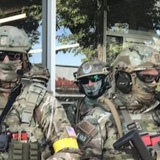
People who support communism nowadays need to look past the bullshit they have been fed and look towards the fact that communism is inherently hurtful. There may be a cold war going on right now, but there is a very good reason that the West won the last one.
I'd recommend sharing this stuff to Tsarist/NS/Nationalist/Generally anti-communist Pro-Russian chats in order to try to change their minds
Сегодня я стою перед всеми россиянами, которых Путин влиянием убедил поддерживать его действия и называть себя антикоммунистами, чтобы обратиться к важной теме: влиянию Коммунистической партии Российской Федерации (КПРФ) в российском правительстве.
В контексте России КПРФ играет значительную роль в отстаивании коммунистических принципов в политическом ландшафте. Коммунистическая партия Российской Федерации является преемником Коммунистической партии Советского Союза и представляет интересы коммунистической идеологии в современной российской политике. Хотя коммунизм в качестве системы больше не является доминирующей структурой в России (по крайней мере, пока еще не является, несмотря на стремление Путина восстановить его и установить бюст Сталина и в целом его романтизацию), КПРФ остается значительной политической силой, отстаивающей коммунистические ценности.
Влияние КПРФ можно наблюдать через их представительство в российском правительстве. Партия занимает значительное количество мест в Государственной Думе, нижней палате Федерального Собрания Российской Федерации. Своим присутствием в законодательном органе КПРФ имеет возможность высказывать свои взгляды, предлагать законодательство, соответствующее их идеологии, и активно участвовать в политическом процессе принятия решений.
Более того, влияние КПРФ простирается за пределы законодательной ветви. Они сумели завоевать поддержку значительной части российского населения, которое разделяет коммунистические идеалы и принципы. Эта поддержка превращается в избирательные победы и влияние на общественное мнение, позволяя партии формировать общественный дискурс и участвовать в дебатах о политике.
В заключение, Коммунистическая партия Российской Федерации (КПРФ) оказывает влияние на российское правительство, отстаивая коммунистические принципы и представляя интересы тех, кто разделяет их идеологию. Присутствие КПРФ в Государственной Думе и их поддержка среди населения подчеркивают актуальность коммунистических идей в российской политике. Однако, если Путин действительно не стремится восстановить коммунизм или по крайней мере не хочет оставаться прямо под его влиянием, то он бы не позволил ему открыто укореняться в своем правительстве и запретил бы Коммунистическую партию, как это сделала Украина.
В контексте России КПРФ играет значительную роль в отстаивании коммунистических принципов в политическом ландшафте. Коммунистическая партия Российской Федерации является преемником Коммунистической партии Советского Союза и представляет интересы коммунистической идеологии в современной российской политике. Хотя коммунизм в качестве системы больше не является доминирующей структурой в России (по крайней мере, пока еще не является, несмотря на стремление Путина восстановить его и установить бюст Сталина и в целом его романтизацию), КПРФ остается значительной политической силой, отстаивающей коммунистические ценности.
Влияние КПРФ можно наблюдать через их представительство в российском правительстве. Партия занимает значительное количество мест в Государственной Думе, нижней палате Федерального Собрания Российской Федерации. Своим присутствием в законодательном органе КПРФ имеет возможность высказывать свои взгляды, предлагать законодательство, соответствующее их идеологии, и активно участвовать в политическом процессе принятия решений.
Более того, влияние КПРФ простирается за пределы законодательной ветви. Они сумели завоевать поддержку значительной части российского населения, которое разделяет коммунистические идеалы и принципы. Эта поддержка превращается в избирательные победы и влияние на общественное мнение, позволяя партии формировать общественный дискурс и участвовать в дебатах о политике.
В заключение, Коммунистическая партия Российской Федерации (КПРФ) оказывает влияние на российское правительство, отстаивая коммунистические принципы и представляя интересы тех, кто разделяет их идеологию. Присутствие КПРФ в Государственной Думе и их поддержка среди населения подчеркивают актуальность коммунистических идей в российской политике. Однако, если Путин действительно не стремится восстановить коммунизм или по крайней мере не хочет оставаться прямо под его влиянием, то он бы не позволил ему открыто укореняться в своем правительстве и запретил бы Коммунистическую партию, как это сделала Украина.
Коммунизм как идеологическая и социополитическая система является предметом интенсивных дебатов и исследований на протяжении всей истории. Несмотря на то, что он может казаться привлекательным на первый взгляд с обещаниями равенства и социальной справедливости, ближайший осмотр его принципов и действий прошлых коммунистических лидеров раскрывает внутренние недостатки, которые оказывают пагубное влияние на общество. Коммунизм, реализованный в различных контекстах, приводил к глубоким проблемам, и необходимо проанализировать действия прошлых коммунистических лидеров, которые способствовали этим отрицательным последствиям.
Одним из основных критериев коммунизма является подавление индивидуальной свободы и ущемление личных свобод. Коммунистические режимы исторически контролировали все аспекты общества, ограничивая свободу слова, выражения и индивидуального выбора. Тоталитарное правление, воплощенное в лидерах, таких как Иосиф Сталин в Советском Союзе и Мао Цзэдун в Китае, подавляло диссидентство, налагало цензуру и угнетало любую оппозицию в отношении управляющей идеологии. Это отрицание индивидуальной свободы не только затрудняет личное развитие, но также ограничивает социальный прогресс и инновации.
Коммунизм стремится уничтожить частную собственность и установить коллективное владение ресурсами. Однако такая коллективизация часто приводит к экономической неэффективности и неправильному распределению ресурсов. Отсутствие стимулов для индивидов работать усердно и инновировать, в сочетании с централизованным планированием и контролем государства, приводит к застою в экономике и снижению продуктивности. Примеры, такие как централизованное планирование в Советском Союз Коммунизм также противоречиво тому, что он заявляет, то есть устранению классовой борьбы, поскольку он часто порождает свою собственную форму социального разделения. Коммунистические режимы исторически создавали новую правящую элиту - элиту партии, которая обладает непропорциональной властью и привилегиями. Это разрыв между правящим классом и общим населением способствует неравенству и социальной стратификации. Более того, попытки принудительно достигнуть равенства путем принудительного перераспределения богатства могут привести к негативным последствиям, таким как недовольство, социальные потрясения и разрушение социальной согласованности.
Прошлые коммунистические лидеры ассоциируются с грубыми нарушениями прав человека. Под правлением Сталина миллионы граждан Советского Союза подвергались чисткам, принуждению к работе в лагерях и массовым казням. Аналогично, "Великий скачок вперед" и Культурная революция Мао в Китае привели к массовым страданиям, голоду и бесчисленным жертвам. Концентрация власти в руках нескольких лидеров, в сочетании с идеологией, которая ставит интересы государства выше жизней индивидов, часто приводит к серьезным нарушениям прав человека.
Коммунистические системы славятся отсутствием политического плюрализма и демократических институтов. Однопартийное правление преобладает в коммунистических режимах, подавляя политическую оппозицию и препятствуя демократическому участию. Отсутствие системы контрвесов, ответственности и свободной прессы позволяет лидерам сконцентрировать власть в своих руках.
Действия прошлых коммунистических лидеров и внутренние недостатки коммунизма как социополитической системы имели значительные отрицательные последствия для обществ. Подавление индивидуальной свободы, экономическая неэффективность, социальное распадение, нарушения прав человека и отсутствие политического плюрализма - это лишь некоторые из причин, почему коммунизм себя негативно проявляет.
Однако, необходимо отметить, что в рассмотренных аспектах коммунизма были и могут быть различные интерпретации и подходы. Есть люди, которые продолжают поддерживать коммунистические идеалы, ссылаясь на стремление к равенству и социальной справедливости. Также следует учитывать, что реализация коммунизма в разных странах и периоды времени может различаться и приводить к разнообразным последствиям.
Одним из основных критериев коммунизма является подавление индивидуальной свободы и ущемление личных свобод. Коммунистические режимы исторически контролировали все аспекты общества, ограничивая свободу слова, выражения и индивидуального выбора. Тоталитарное правление, воплощенное в лидерах, таких как Иосиф Сталин в Советском Союзе и Мао Цзэдун в Китае, подавляло диссидентство, налагало цензуру и угнетало любую оппозицию в отношении управляющей идеологии. Это отрицание индивидуальной свободы не только затрудняет личное развитие, но также ограничивает социальный прогресс и инновации.
Коммунизм стремится уничтожить частную собственность и установить коллективное владение ресурсами. Однако такая коллективизация часто приводит к экономической неэффективности и неправильному распределению ресурсов. Отсутствие стимулов для индивидов работать усердно и инновировать, в сочетании с централизованным планированием и контролем государства, приводит к застою в экономике и снижению продуктивности. Примеры, такие как централизованное планирование в Советском Союз Коммунизм также противоречиво тому, что он заявляет, то есть устранению классовой борьбы, поскольку он часто порождает свою собственную форму социального разделения. Коммунистические режимы исторически создавали новую правящую элиту - элиту партии, которая обладает непропорциональной властью и привилегиями. Это разрыв между правящим классом и общим населением способствует неравенству и социальной стратификации. Более того, попытки принудительно достигнуть равенства путем принудительного перераспределения богатства могут привести к негативным последствиям, таким как недовольство, социальные потрясения и разрушение социальной согласованности.
Прошлые коммунистические лидеры ассоциируются с грубыми нарушениями прав человека. Под правлением Сталина миллионы граждан Советского Союза подвергались чисткам, принуждению к работе в лагерях и массовым казням. Аналогично, "Великий скачок вперед" и Культурная революция Мао в Китае привели к массовым страданиям, голоду и бесчисленным жертвам. Концентрация власти в руках нескольких лидеров, в сочетании с идеологией, которая ставит интересы государства выше жизней индивидов, часто приводит к серьезным нарушениям прав человека.
Коммунистические системы славятся отсутствием политического плюрализма и демократических институтов. Однопартийное правление преобладает в коммунистических режимах, подавляя политическую оппозицию и препятствуя демократическому участию. Отсутствие системы контрвесов, ответственности и свободной прессы позволяет лидерам сконцентрировать власть в своих руках.
Действия прошлых коммунистических лидеров и внутренние недостатки коммунизма как социополитической системы имели значительные отрицательные последствия для обществ. Подавление индивидуальной свободы, экономическая неэффективность, социальное распадение, нарушения прав человека и отсутствие политического плюрализма - это лишь некоторые из причин, почему коммунизм себя негативно проявляет.
Однако, необходимо отметить, что в рассмотренных аспектах коммунизма были и могут быть различные интерпретации и подходы. Есть люди, которые продолжают поддерживать коммунистические идеалы, ссылаясь на стремление к равенству и социальной справедливости. Также следует учитывать, что реализация коммунизма в разных странах и периоды времени может различаться и приводить к разнообразным последствиям.
В заключение, критическое рассмотрение и анализ коммунизма и действий прошлых коммунистических лидеров позволяют понять, что этот идеологический подход имеет свои врожденные недостатки и отрицательные последствия. Понимание этих проблем должно способствовать более глубокому осознанию и поиску альтернативных систем, которые стремятся достичь социальной справедливости, сохраняя при этом индивидуальные свободы, демократические ценности и уважение к правам человека. История является наставником, напоминая о глубоком вреде, который может причинить реализация коммунизма, и побуждает нас искать лучшие пути к прогрессу и благополучию общества.
The Central Intelligence Agency (CIA) has long been the target of propaganda and distortion by various actors, including Russia. By critically examining the historical context and considering the CIA's role in national security, we can gain a more accurate understanding of the agency's operations and motivations.
The primary mission of the CIA is to safeguard the national security interests of the United States. Contrary to the propaganda spread by Russia, the CIA operates within a framework of legal and congressional oversight. Its activities are carried out to gather intelligence, assess threats, and protect American interests both at home and abroad. These actions are aimed at ensuring the safety and security of the American people, rather than pursuing aggressive or nefarious agendas.
The CIA has played a vital role in countering global threats such as terrorism, nuclear proliferation, and international organized crime. Its intelligence gathering and analysis have contributed to preventing terrorist attacks, disrupting criminal networks, and identifying potential dangers to national security. These efforts, often misrepresented by Russia as imperialistic or invasive, are necessary for the protection of citizens and the maintenance of global stability.
Contrary to claims made by Russian propaganda, the CIA has actively supported democratic movements around the world. Throughout the Cold War, the agency provided assistance to groups fighting against totalitarian regimes, including those in Eastern Europe and Latin America. The CIA's efforts were driven by a commitment to promoting democratic values, human rights, and the self-determination of oppressed peoples.
The CIA has also engaged in humanitarian aid and rescue operations, providing assistance during natural disasters, famines, and humanitarian crises. This aspect of the agency's work is often overlooked or distorted by Russian propaganda. From providing relief in areas affected by conflicts to evacuating endangered individuals, the CIA has demonstrated its commitment to helping those in need, even in the most challenging circumstances.
The CIA, like any government agency, is not immune to criticism or the need for reform. However, it is important to recognize that the agency has undergone significant reforms over the years to enhance transparency, oversight, and adherence to ethical standards. The Church Committee investigations in the 1970s, for instance, led to important reforms in intelligence practices and the establishment of safeguards to protect civil liberties. The CIA's willingness to learn from past mistakes demonstrates a commitment to improvement and accountability.
The propaganda perpetuated by Russia against the CIA often distorts the agency's actions and misrepresents its motivations. By examining the historical context and understanding the CIA's mandate of national security, we can debunk these myths and gain a more accurate perspective. The CIA's efforts to counter global threats, support democracies, provide humanitarian aid, and undergo reforms demonstrate its commitment to protecting American interests while upholding democratic values and human rights. It is crucial to approach discussions about the CIA and its actions with a critical mindset, separating fact from fiction and recognizing the complexities of intelligence work in safeguarding national security.
The primary mission of the CIA is to safeguard the national security interests of the United States. Contrary to the propaganda spread by Russia, the CIA operates within a framework of legal and congressional oversight. Its activities are carried out to gather intelligence, assess threats, and protect American interests both at home and abroad. These actions are aimed at ensuring the safety and security of the American people, rather than pursuing aggressive or nefarious agendas.
The CIA has played a vital role in countering global threats such as terrorism, nuclear proliferation, and international organized crime. Its intelligence gathering and analysis have contributed to preventing terrorist attacks, disrupting criminal networks, and identifying potential dangers to national security. These efforts, often misrepresented by Russia as imperialistic or invasive, are necessary for the protection of citizens and the maintenance of global stability.
Contrary to claims made by Russian propaganda, the CIA has actively supported democratic movements around the world. Throughout the Cold War, the agency provided assistance to groups fighting against totalitarian regimes, including those in Eastern Europe and Latin America. The CIA's efforts were driven by a commitment to promoting democratic values, human rights, and the self-determination of oppressed peoples.
The CIA has also engaged in humanitarian aid and rescue operations, providing assistance during natural disasters, famines, and humanitarian crises. This aspect of the agency's work is often overlooked or distorted by Russian propaganda. From providing relief in areas affected by conflicts to evacuating endangered individuals, the CIA has demonstrated its commitment to helping those in need, even in the most challenging circumstances.
The CIA, like any government agency, is not immune to criticism or the need for reform. However, it is important to recognize that the agency has undergone significant reforms over the years to enhance transparency, oversight, and adherence to ethical standards. The Church Committee investigations in the 1970s, for instance, led to important reforms in intelligence practices and the establishment of safeguards to protect civil liberties. The CIA's willingness to learn from past mistakes demonstrates a commitment to improvement and accountability.
The propaganda perpetuated by Russia against the CIA often distorts the agency's actions and misrepresents its motivations. By examining the historical context and understanding the CIA's mandate of national security, we can debunk these myths and gain a more accurate perspective. The CIA's efforts to counter global threats, support democracies, provide humanitarian aid, and undergo reforms demonstrate its commitment to protecting American interests while upholding democratic values and human rights. It is crucial to approach discussions about the CIA and its actions with a critical mindset, separating fact from fiction and recognizing the complexities of intelligence work in safeguarding national security.
Should I keep making these essay type posts to educate people on differing subjects
Anonymous Poll
59%
Yes
26%
No
16%
Neutral
During times of war, the actions and motivations of various groups can be highly contentious. One such group is the Ukrainian Insurgent Army (UPA), led by Stepan Bandera, which operated during World War II and its aftermath. Bandera and the UPA are often regarded as controversial figures due to their collaboration with Nazi Germany against the Soviet Union. However, to understand their actions, it is crucial to examine the historical context, the complex political landscape of the time, and the aspirations of Ukrainian independence. This essay aims to provide a nuanced perspective and justify Bandera and the UPA's actions during wartime.
To understand Bandera and the UPA's actions, it is vital to consider the historical context in which they operated. Ukraine has a long history of foreign domination and oppression, particularly under Russian and Soviet rule. The Ukrainian people had endured significant suffering, including the Great Famine of 1932-33, in which millions perished due to Stalin's policies. Consequently, there was a deep-rooted desire for national self-determination and independence among Ukrainians.
Bandera and the UPA's collaboration with Nazi Germany is undoubtedly a contentious aspect of their actions. However, it is essential to acknowledge the complex political dynamics at play. At the time, Ukraine found itself caught between two totalitarian regimes: Nazi Germany and the Soviet Union. Bandera saw an opportunity to utilize Nazi support to gain independence from Soviet domination, albeit temporarily.
Bandera and the UPA made pragmatic choices in aligning themselves with the Nazis, not due to ideological affinity, but as a means to an end. They aimed to create a power vacuum in which an independent Ukrainian state could emerge. By supporting the Nazis, they sought to weaken the Soviet Union, their primary oppressor, and potentially secure Ukrainian sovereignty.
The primary objective of Bandera and the UPA was to resist Soviet rule in Ukraine. The UPA conducted guerrilla warfare against Soviet forces, engaging in sabotage, intelligence gathering, and disrupting the Soviet war effort. While their methods were undoubtedly brutal at times, it is important to recognize that they were responding to a regime responsible for mass atrocities against the Ukrainian people.
One of the most controversial aspects associated with Bandera and the UPA is the allegations of ethnic cleansing against Poles and Jews. While it is undeniable that there were instances of violence committed by UPA members, it is essential to contextualize these actions. The region was embroiled in a complex and chaotic conflict, and atrocities were committed by multiple parties involved. It is crucial to separate the actions of individuals from the broader goals and motivations of Bandera and the UPA.
While the actions of Bandera and the UPA during wartime are undeniably complex and controversial, it is essential to approach their history with nuance and understanding. Bandera and the UPA operated in a time of great turmoil, seeking to establish an independent Ukrainian state in the face of oppression. By considering the historical context, strategic considerations, and the aspirations for Ukrainian independence, it becomes evident that Bandera and the UPA's actions were driven by a desire for self-determination, even if their collaboration with Nazi Germany remains a highly contentious aspect of their legacy.
To understand Bandera and the UPA's actions, it is vital to consider the historical context in which they operated. Ukraine has a long history of foreign domination and oppression, particularly under Russian and Soviet rule. The Ukrainian people had endured significant suffering, including the Great Famine of 1932-33, in which millions perished due to Stalin's policies. Consequently, there was a deep-rooted desire for national self-determination and independence among Ukrainians.
Bandera and the UPA's collaboration with Nazi Germany is undoubtedly a contentious aspect of their actions. However, it is essential to acknowledge the complex political dynamics at play. At the time, Ukraine found itself caught between two totalitarian regimes: Nazi Germany and the Soviet Union. Bandera saw an opportunity to utilize Nazi support to gain independence from Soviet domination, albeit temporarily.
Bandera and the UPA made pragmatic choices in aligning themselves with the Nazis, not due to ideological affinity, but as a means to an end. They aimed to create a power vacuum in which an independent Ukrainian state could emerge. By supporting the Nazis, they sought to weaken the Soviet Union, their primary oppressor, and potentially secure Ukrainian sovereignty.
The primary objective of Bandera and the UPA was to resist Soviet rule in Ukraine. The UPA conducted guerrilla warfare against Soviet forces, engaging in sabotage, intelligence gathering, and disrupting the Soviet war effort. While their methods were undoubtedly brutal at times, it is important to recognize that they were responding to a regime responsible for mass atrocities against the Ukrainian people.
One of the most controversial aspects associated with Bandera and the UPA is the allegations of ethnic cleansing against Poles and Jews. While it is undeniable that there were instances of violence committed by UPA members, it is essential to contextualize these actions. The region was embroiled in a complex and chaotic conflict, and atrocities were committed by multiple parties involved. It is crucial to separate the actions of individuals from the broader goals and motivations of Bandera and the UPA.
While the actions of Bandera and the UPA during wartime are undeniably complex and controversial, it is essential to approach their history with nuance and understanding. Bandera and the UPA operated in a time of great turmoil, seeking to establish an independent Ukrainian state in the face of oppression. By considering the historical context, strategic considerations, and the aspirations for Ukrainian independence, it becomes evident that Bandera and the UPA's actions were driven by a desire for self-determination, even if their collaboration with Nazi Germany remains a highly contentious aspect of their legacy.
If you have any questions, comments or concerns about the channel's content or anything like that, feel free to comment or to contact me at t.me/ukrcontact_bot
In the Donbass conflict, Russian news sources have played a significant role in shaping narratives and disseminating information. However, many instances have revealed their propensity for manipulation and spreading falsehoods.
During the initial stages of the conflict, the Euromaidan protests in Ukraine were misrepresented by Russian news sources. Outlets like RT and Sputnik News painted the protests as a violent and extremist movement driven by fascists and nationalists, intending to destabilize the region. This framing allowed Russia to justify its intervention in Crimea and later in eastern Ukraine.
Independent investigations and reports from international organizations, including the Council of Europe, have debunked these claims. They highlighted the predominantly peaceful nature of the Euromaidan protests, emphasizing the Ukrainian people's desire for democratic reforms and closer ties with Europe.
Russian news sources played a role in spreading misinformation and false narratives surrounding the downing of Malaysia Airlines Flight MH17 in eastern Ukraine. They sought to divert blame away from Russia-backed separatists and onto Ukrainian forces, utilizing deceptive tactics and unverified sources to confuse the public and undermine the investigation.
The Joint Investigation Team (JIT) report, which included international experts, concluded that a Russian missile system brought down MH17. The investigation revealed evidence of Russian military involvement and the transfer of the missile launcher from Russia to separatist-controlled territory. Russian news sources' attempts to mislead the public were contradicted by the JIT's findings.
Throughout the Donbass conflict, Russian news sources engaged in disinformation campaigns and propaganda efforts to shape public opinion. They disseminated false narratives, manipulated images, and amplified divisive content to foster polarization and undermine the legitimacy of the Ukrainian government.
Reports from organizations such as the Atlantic Council's Digital Forensic Research Lab and independent researchers have extensively documented these disinformation campaigns. They have revealed instances of fabricated stories, selective reporting, and the use of social media platforms to spread false information, all orchestrated by Russian news sources.
Russian news sources consistently denied any direct involvement in the Donbass conflict, portraying it as a civil war fueled by Ukrainian nationalists and fascists. They downplayed Russia's role in providing military support, training, and weaponry to separatist forces, presenting it as a grassroots movement for self-determination.
Numerous investigations, including reports from international observers and leaked documents, have exposed Russia's direct involvement in the conflict. These sources confirm the presence of Russian military personnel, equipment, and logistical support in eastern Ukraine, undermining the narratives propagated by Russian news sources.
The Donbass conflict has witnessed a disturbing pattern of manipulation and deception by Russian news sources. By misrepresenting the Euromaidan protests, spreading falsehoods about the MH17 crash, engaging in disinformation campaigns, and denying Russian involvement, these outlets have undermined truth and contributed to a distorted understanding of the conflict. Recognizing the extent of their deception is crucial for fostering an informed society and ensuring a more accurate representation of events in the Donbass region.
During the initial stages of the conflict, the Euromaidan protests in Ukraine were misrepresented by Russian news sources. Outlets like RT and Sputnik News painted the protests as a violent and extremist movement driven by fascists and nationalists, intending to destabilize the region. This framing allowed Russia to justify its intervention in Crimea and later in eastern Ukraine.
Independent investigations and reports from international organizations, including the Council of Europe, have debunked these claims. They highlighted the predominantly peaceful nature of the Euromaidan protests, emphasizing the Ukrainian people's desire for democratic reforms and closer ties with Europe.
Russian news sources played a role in spreading misinformation and false narratives surrounding the downing of Malaysia Airlines Flight MH17 in eastern Ukraine. They sought to divert blame away from Russia-backed separatists and onto Ukrainian forces, utilizing deceptive tactics and unverified sources to confuse the public and undermine the investigation.
The Joint Investigation Team (JIT) report, which included international experts, concluded that a Russian missile system brought down MH17. The investigation revealed evidence of Russian military involvement and the transfer of the missile launcher from Russia to separatist-controlled territory. Russian news sources' attempts to mislead the public were contradicted by the JIT's findings.
Throughout the Donbass conflict, Russian news sources engaged in disinformation campaigns and propaganda efforts to shape public opinion. They disseminated false narratives, manipulated images, and amplified divisive content to foster polarization and undermine the legitimacy of the Ukrainian government.
Reports from organizations such as the Atlantic Council's Digital Forensic Research Lab and independent researchers have extensively documented these disinformation campaigns. They have revealed instances of fabricated stories, selective reporting, and the use of social media platforms to spread false information, all orchestrated by Russian news sources.
Russian news sources consistently denied any direct involvement in the Donbass conflict, portraying it as a civil war fueled by Ukrainian nationalists and fascists. They downplayed Russia's role in providing military support, training, and weaponry to separatist forces, presenting it as a grassroots movement for self-determination.
Numerous investigations, including reports from international observers and leaked documents, have exposed Russia's direct involvement in the conflict. These sources confirm the presence of Russian military personnel, equipment, and logistical support in eastern Ukraine, undermining the narratives propagated by Russian news sources.
The Donbass conflict has witnessed a disturbing pattern of manipulation and deception by Russian news sources. By misrepresenting the Euromaidan protests, spreading falsehoods about the MH17 crash, engaging in disinformation campaigns, and denying Russian involvement, these outlets have undermined truth and contributed to a distorted understanding of the conflict. Recognizing the extent of their deception is crucial for fostering an informed society and ensuring a more accurate representation of events in the Donbass region.
Patton was absolutely right in his assertion that "we fought the wrong enemy" during World War II. While the Allies were engaged in combat against the Axis powers, including Nazi Germany, Patton recognized that the Soviet Union, under Joseph Stalin, was an expansionist force that posed a significant long-term threat.
The Soviet Union's actions during and after the war, such as the occupation of Eastern European countries and the spread of communism, demonstrated their ambitions for territorial gains and ideological dominance. Patton foresaw the danger of allowing the Soviet Union to expand its sphere of influence, and he believed that the Allies should have confronted this threat more directly.
The Soviet Union's actions during and after the war, such as the occupation of Eastern European countries and the spread of communism, demonstrated their ambitions for territorial gains and ideological dominance. Patton foresaw the danger of allowing the Soviet Union to expand its sphere of influence, and he believed that the Allies should have confronted this threat more directly.
In the realm of media, the dissemination of biased information and narratives poses significant challenges. I will examine specific instances where Russian media has been accused of promoting distorted narratives and spreading misinformation regarding events in Syria, Iraq, and Afghanistan. By presenting evidence of such practices, we can better understand the implications of media bias on public perception and international relations.
Syria:
Russian media outlets, including RT (Russia Today), have faced criticism for their coverage of the Syrian conflict. Several examples demonstrate their alleged misinformation campaigns:
During the 2018 Douma chemical attack, Russian media outlets propagated alternative theories, casting doubt on the attack's legitimacy. They suggested that the incident was a fabricated event orchestrated by Western powers.
Russian media has been accused of downplaying the severity of the humanitarian crisis in Syria, particularly regarding the impact of Russian airstrikes and the actions of the Syrian regime on civilian populations.
Iraq:
Russian media's coverage of the Iraq War (2003-2011) has been marred by claims of misinformation and narrative bias:
Russian media outlets amplified skepticism regarding the presence of WMDs in Iraq, challenging the justification for the U.S.-led invasion. This skepticism contradicted the assessments of numerous Western intelligence agencies.
Russian media often emphasized civilian casualties caused by coalition forces, sometimes exaggerating the numbers, while downplaying the actions of insurgent groups and the Saddam Hussein regime.
Afghanistan:
Russian media's reporting on the conflict in Afghanistan has also faced accusations of distorting events and promoting biased narratives:
Russian media outlets have been criticized for downplaying the Taliban's human rights abuses and presenting a more favorable image of the group. This bias has been attributed to Russia's desire to undermine U.S. influence in the region.
Russian media coverage of Western military operations in Afghanistan has frequently highlighted negative aspects, such as civilian casualties and alleged war crimes, while diminishing efforts to stabilize the country and combat extremist groups.
The evidence presented underscores the allegations of distorted narratives and misinformation propagated by Russian media outlets in their reporting on Syria, Iraq, and Afghanistan. Instances of biased coverage, including the questioning of chemical attacks, downplaying civilian casualties, and presenting favorable portrayals of certain groups, raise concerns about the impact of media bias on public perception and international relations. It is crucial for consumers of news to approach information critically, seek diverse perspectives, and engage in fact-checking to form well-informed understandings of complex global conflicts. By doing so, individuals can guard against the potential pitfalls of media bias and enhance their ability to discern the truth amidst a sea of information.
Syria:
Russian media outlets, including RT (Russia Today), have faced criticism for their coverage of the Syrian conflict. Several examples demonstrate their alleged misinformation campaigns:
During the 2018 Douma chemical attack, Russian media outlets propagated alternative theories, casting doubt on the attack's legitimacy. They suggested that the incident was a fabricated event orchestrated by Western powers.
Russian media has been accused of downplaying the severity of the humanitarian crisis in Syria, particularly regarding the impact of Russian airstrikes and the actions of the Syrian regime on civilian populations.
Iraq:
Russian media's coverage of the Iraq War (2003-2011) has been marred by claims of misinformation and narrative bias:
Russian media outlets amplified skepticism regarding the presence of WMDs in Iraq, challenging the justification for the U.S.-led invasion. This skepticism contradicted the assessments of numerous Western intelligence agencies.
Russian media often emphasized civilian casualties caused by coalition forces, sometimes exaggerating the numbers, while downplaying the actions of insurgent groups and the Saddam Hussein regime.
Afghanistan:
Russian media's reporting on the conflict in Afghanistan has also faced accusations of distorting events and promoting biased narratives:
Russian media outlets have been criticized for downplaying the Taliban's human rights abuses and presenting a more favorable image of the group. This bias has been attributed to Russia's desire to undermine U.S. influence in the region.
Russian media coverage of Western military operations in Afghanistan has frequently highlighted negative aspects, such as civilian casualties and alleged war crimes, while diminishing efforts to stabilize the country and combat extremist groups.
The evidence presented underscores the allegations of distorted narratives and misinformation propagated by Russian media outlets in their reporting on Syria, Iraq, and Afghanistan. Instances of biased coverage, including the questioning of chemical attacks, downplaying civilian casualties, and presenting favorable portrayals of certain groups, raise concerns about the impact of media bias on public perception and international relations. It is crucial for consumers of news to approach information critically, seek diverse perspectives, and engage in fact-checking to form well-informed understandings of complex global conflicts. By doing so, individuals can guard against the potential pitfalls of media bias and enhance their ability to discern the truth amidst a sea of information.
The story of MARSOC Fox Company, also known as Marine Special Operations Company Foxtrot, in Afghanistan is one filled with controversy, accusations, and ultimately, exoneration. I aim to provide an overview of the events surrounding the alleged betrayal of MARSOC Fox Company, the subsequent accusations of war crimes, and the eventual exoneration of the Marines involved. These types of situations are commonly distorted by Russian media outlets so it's important to set things straight and educate people on what really happened.
In February 2007, Fox Company arrived in Bagram, Afghanistan, and was subsequently deployed to Jalalabad Airfield in Nangarhar province. It was during their deployment that they encountered a deadly ambush on March 4, 2007. The attack and subsequent gun battle resulted in casualties and the loss of several Marines.
Following the ambush, controversy surrounding the actions of MARSOC Fox Company began to unfold. Galvin, the commander of Fox Company at the time, alleged that top leaders in the US military had sold out the members of his unit. There were claims that the Marines were falsely accused of murdering innocent women and children. The situation garnered significant media attention and public scrutiny, leading to a decade-long investigation and legal battle.
Accusations of war crimes, including the killing of civilians, were leveled against the members of MARSOC Fox Company. These allegations were not only a stain on the reputation of the unit but also had severe personal consequences for the accused Marines. The allegations cast a dark shadow over their service and led to years of legal battles and public scrutiny.
After almost a decade, the Marine Corps publicly exonerated the members of MARSOC Fox Company who had been falsely accused of war crimes in Afghanistan. In February 2018, the Marine Corps affirmed the full exoneration of nearly 30 elite special operations Marines involved in the case. The exoneration brought some measure of justice and vindication to the accused Marines who had endured years of uncertainty and tarnished reputations.
Ask any Vatnik and they will insist that the local haji bastards were telling the truth. Within history it has been shown that they are fully willing to stand behind terrorists, North Korea, anything at all just to slander America and Americans.
In February 2007, Fox Company arrived in Bagram, Afghanistan, and was subsequently deployed to Jalalabad Airfield in Nangarhar province. It was during their deployment that they encountered a deadly ambush on March 4, 2007. The attack and subsequent gun battle resulted in casualties and the loss of several Marines.
Following the ambush, controversy surrounding the actions of MARSOC Fox Company began to unfold. Galvin, the commander of Fox Company at the time, alleged that top leaders in the US military had sold out the members of his unit. There were claims that the Marines were falsely accused of murdering innocent women and children. The situation garnered significant media attention and public scrutiny, leading to a decade-long investigation and legal battle.
Accusations of war crimes, including the killing of civilians, were leveled against the members of MARSOC Fox Company. These allegations were not only a stain on the reputation of the unit but also had severe personal consequences for the accused Marines. The allegations cast a dark shadow over their service and led to years of legal battles and public scrutiny.
After almost a decade, the Marine Corps publicly exonerated the members of MARSOC Fox Company who had been falsely accused of war crimes in Afghanistan. In February 2018, the Marine Corps affirmed the full exoneration of nearly 30 elite special operations Marines involved in the case. The exoneration brought some measure of justice and vindication to the accused Marines who had endured years of uncertainty and tarnished reputations.
Ask any Vatnik and they will insist that the local haji bastards were telling the truth. Within history it has been shown that they are fully willing to stand behind terrorists, North Korea, anything at all just to slander America and Americans.
“Many Soldiers Are Led to Faulty Ideas of War by Knowing Too Much About Too Little.” - Gen. George Patton
The Euromaidan revolution in Ukraine, which took place in 2013-2014, was a significant event that led to political and social changes in the country. Throughout this period, there were instances of disinformation spread by Russia, aiming to shape narratives and influence public opinion. These disinformation campaigns sought to undermine the legitimacy of the Euromaidan movement and further Russian interests in the region.
One notable example of disinformation during the Euromaidan revolution was the spread of false narratives about the protesters. Russian state media and affiliated outlets portrayed the demonstrators as violent extremists in an attempt to delegitimize their demands for democratic reforms. These false narratives aimed to create fear and distrust among the Ukrainian population and the international community.
Another disinformation tactic employed by Russia was the promotion of conspiracy theories surrounding the revolution. For instance, Russian media outlets circulated unfounded claims that the Euromaidan movement was orchestrated and funded by Western governments with the aim of destabilizing Ukraine and encroaching on Russia's sphere of influence. These conspiracy theories aimed to create confusion and doubt about the genuine aspirations of the Ukrainian people for democratic change.
Furthermore, disinformation campaigns propagated by Russia sought to present the Ukrainian government as illegitimate and controlled by Western powers. Russian media outlets portrayed the Ukrainian government as a puppet regime manipulated by foreign actors, using this narrative to justify Russia's annexation of Crimea and its subsequent military intervention in eastern Ukraine.
Social media platforms also played a significant role in the dissemination of disinformation during the Euromaidan revolution. Russia-backed troll farms and bot networks flooded social media platforms with misleading content, including fake news stories, doctored images, and manipulated videos. These tactics aimed to amplify divisive narratives, spread confusion, and polarize public opinion.
The spread of disinformation during the Euromaidan revolution highlighted the significant role played by Russia in shaping narratives and influencing public perception. These disinformation campaigns aimed to distort the reality of events on the ground and advance Russia's geopolitical interests in the region.
One notable example of disinformation during the Euromaidan revolution was the spread of false narratives about the protesters. Russian state media and affiliated outlets portrayed the demonstrators as violent extremists in an attempt to delegitimize their demands for democratic reforms. These false narratives aimed to create fear and distrust among the Ukrainian population and the international community.
Another disinformation tactic employed by Russia was the promotion of conspiracy theories surrounding the revolution. For instance, Russian media outlets circulated unfounded claims that the Euromaidan movement was orchestrated and funded by Western governments with the aim of destabilizing Ukraine and encroaching on Russia's sphere of influence. These conspiracy theories aimed to create confusion and doubt about the genuine aspirations of the Ukrainian people for democratic change.
Furthermore, disinformation campaigns propagated by Russia sought to present the Ukrainian government as illegitimate and controlled by Western powers. Russian media outlets portrayed the Ukrainian government as a puppet regime manipulated by foreign actors, using this narrative to justify Russia's annexation of Crimea and its subsequent military intervention in eastern Ukraine.
Social media platforms also played a significant role in the dissemination of disinformation during the Euromaidan revolution. Russia-backed troll farms and bot networks flooded social media platforms with misleading content, including fake news stories, doctored images, and manipulated videos. These tactics aimed to amplify divisive narratives, spread confusion, and polarize public opinion.
The spread of disinformation during the Euromaidan revolution highlighted the significant role played by Russia in shaping narratives and influencing public perception. These disinformation campaigns aimed to distort the reality of events on the ground and advance Russia's geopolitical interests in the region.
During the Soviet era, the USSR exercised tight control over its media, ensuring that information presented to the public aligned with the state's ideological agenda. State-run newspapers, television channels, and radio stations disseminated propaganda to promote the Communist Party's narratives and suppress dissenting voices. Information was carefully curated and manipulated to maintain the illusion of a strong and successful Soviet state, while concealing the realities of economic struggles, human rights abuses, and political repression.
One significant historical example of Soviet misinformation was the Chernobyl nuclear disaster in 1986. In the aftermath of the accident, the Soviet government downplayed the severity of the incident and attempted to control the flow of information to the public. State-controlled media outlets initially provided limited and misleading information, which resulted in a delayed response and inadequate precautions being taken to protect the affected population and neighboring countries.
One significant historical example of Soviet misinformation was the Chernobyl nuclear disaster in 1986. In the aftermath of the accident, the Soviet government downplayed the severity of the incident and attempted to control the flow of information to the public. State-controlled media outlets initially provided limited and misleading information, which resulted in a delayed response and inadequate precautions being taken to protect the affected population and neighboring countries.
The subversion of political movements by extremist groups such as the Order of Nine Angles (ONA) and the Tempel Ov Blood (TOB) has been a concerning phenomenon. These organizations, known for their extreme ideologies and radical approaches, have sought to infiltrate and manipulate political movements to further their own agenda.
The Order of Nine Angles, an occult-based group founded in the 1960s, promotes a dark and esoteric ideology rooted in Satanism and nihilism. The ONA has been accused of engaging in tactics of infiltration, seeking to exploit existing political movements and organizations. Their objective is to steer these movements towards embracing their radical beliefs and to influence their actions accordingly.
Similarly, the Tempel Ov Blood, an offshoot of the ONA, has advocated for extreme violence and terrorism as a means to achieve their goals. They have been linked to acts of criminality, including murder and acts of domestic terrorism. The TOB utilizes a strategic approach known as "Siege," which involves infiltrating existing political movements and using violence as a catalyst for societal upheaval.
The subversion of political movements by groups like the ONA and TOB poses a significant threat to societies. Their strategies involve exploiting vulnerabilities within these movements, often preying on disillusioned individuals seeking radical change or those susceptible to extremist ideologies.
By infiltrating political movements, these groups aim to redirect their goals towards violent and divisive actions. Their objective is to sow discord, promote chaos, and ultimately dismantle established democratic systems. They exploit legitimate grievances within society, exploiting them for their own gain and manipulating the emotions and frustrations of individuals who may be drawn to their radical ideologies.
The subversion of political movements by extremist groups is a complex issue that requires vigilance and proactive measures. It is essential for political movements and organizations to prioritize security and vetting processes to safeguard against infiltration. Additionally, law enforcement agencies and intelligence services must remain vigilant, closely monitoring extremist activities and taking appropriate actions to prevent violence and protect society.
Furthermore, countering the subversion of political movements requires fostering resilient societies. Addressing underlying social issues, promoting critical thinking, and providing platforms for constructive dialogue can help mitigate the appeal of extremist ideologies. It is also crucial to ensure that individuals are equipped with media literacy skills to identify and reject manipulative narratives.
The subversion of political movements by groups like the Order of Nine Angles and the Tempel Ov Blood represents a significant challenge to societies. Their infiltration tactics, driven by radical ideologies and a desire to promote violence, seek to exploit legitimate grievances and redirect movements towards destructive ends. Combating this threat requires robust security measures, vigilant monitoring, and the rejection of such ideas.
The Order of Nine Angles, an occult-based group founded in the 1960s, promotes a dark and esoteric ideology rooted in Satanism and nihilism. The ONA has been accused of engaging in tactics of infiltration, seeking to exploit existing political movements and organizations. Their objective is to steer these movements towards embracing their radical beliefs and to influence their actions accordingly.
Similarly, the Tempel Ov Blood, an offshoot of the ONA, has advocated for extreme violence and terrorism as a means to achieve their goals. They have been linked to acts of criminality, including murder and acts of domestic terrorism. The TOB utilizes a strategic approach known as "Siege," which involves infiltrating existing political movements and using violence as a catalyst for societal upheaval.
The subversion of political movements by groups like the ONA and TOB poses a significant threat to societies. Their strategies involve exploiting vulnerabilities within these movements, often preying on disillusioned individuals seeking radical change or those susceptible to extremist ideologies.
By infiltrating political movements, these groups aim to redirect their goals towards violent and divisive actions. Their objective is to sow discord, promote chaos, and ultimately dismantle established democratic systems. They exploit legitimate grievances within society, exploiting them for their own gain and manipulating the emotions and frustrations of individuals who may be drawn to their radical ideologies.
The subversion of political movements by extremist groups is a complex issue that requires vigilance and proactive measures. It is essential for political movements and organizations to prioritize security and vetting processes to safeguard against infiltration. Additionally, law enforcement agencies and intelligence services must remain vigilant, closely monitoring extremist activities and taking appropriate actions to prevent violence and protect society.
Furthermore, countering the subversion of political movements requires fostering resilient societies. Addressing underlying social issues, promoting critical thinking, and providing platforms for constructive dialogue can help mitigate the appeal of extremist ideologies. It is also crucial to ensure that individuals are equipped with media literacy skills to identify and reject manipulative narratives.
The subversion of political movements by groups like the Order of Nine Angles and the Tempel Ov Blood represents a significant challenge to societies. Their infiltration tactics, driven by radical ideologies and a desire to promote violence, seek to exploit legitimate grievances and redirect movements towards destructive ends. Combating this threat requires robust security measures, vigilant monitoring, and the rejection of such ideas.
While specific instances of infiltration can be challenging to ascertain due to the clandestine nature of these groups, there have been claims of their influence on certain extremist organizations. Here are a few examples:
Atomwaffen Division: Atomwaffen Division, a neo-Nazi organization known for its advocacy of violence and terrorism, has been linked to the influence of both the ONA and TOB. Some members of Atomwaffen Division have embraced the ideologies propagated by these groups, leading to the adoption of more extreme and violent tactics.
The Base: The Base, a white nationalist and accelerationist organization, has been accused of having connections to the ONA and TOB. The group's ideology and tactics are believed to have been influenced by the extremist philosophies of these occult-based organizations.
National Action: National Action, a neo-Nazi group in the United Kingdom, has faced allegations of infiltration and influence by the ONA. The group's extremist rhetoric and activities are said to have been influenced by the occult ideologies promoted by the ONA.
Another more lesser known example of this is someone known by The Fascifist on Telegram, he is a TOB member that runs a channel where he espouses anti-white rhetoric to a primarily white audience and disguises this with his pro-Russian and Eurasianist views to his subscribers. He attempts to say that the ethnic Russian people are not European, and has said that the war on Ukraine is in fact a war against the entire West and Europe. If you compare many of his talking points to Tempel ov Blood literature, you can find many similarities to both of them that go beyond coincidence. For example, he openly talks about anti-whiteness and says that "White Culture is a liberal hegemony". Meanwhile, Tempel ov Blood ideology promotes absolute chaos, including forced erasure of race itself as they view racial connections as being a sign of the social order which they want to completely destroy. He acts extremely similar to another TOB member named Angel Almeida, more commonly known as Gorebutcher. In his admin-only group chat on Telegram, Fascifist openly discusses these talking points with the other members who are suspected of also having TOB connections.
It is important to recognize that the exact extent of infiltration and influence by the ONA and TOB may vary among different organizations. Investigations by law enforcement agencies and intelligence services are ongoing to uncover the true extent of their activities and connections.
Atomwaffen Division: Atomwaffen Division, a neo-Nazi organization known for its advocacy of violence and terrorism, has been linked to the influence of both the ONA and TOB. Some members of Atomwaffen Division have embraced the ideologies propagated by these groups, leading to the adoption of more extreme and violent tactics.
The Base: The Base, a white nationalist and accelerationist organization, has been accused of having connections to the ONA and TOB. The group's ideology and tactics are believed to have been influenced by the extremist philosophies of these occult-based organizations.
National Action: National Action, a neo-Nazi group in the United Kingdom, has faced allegations of infiltration and influence by the ONA. The group's extremist rhetoric and activities are said to have been influenced by the occult ideologies promoted by the ONA.
Another more lesser known example of this is someone known by The Fascifist on Telegram, he is a TOB member that runs a channel where he espouses anti-white rhetoric to a primarily white audience and disguises this with his pro-Russian and Eurasianist views to his subscribers. He attempts to say that the ethnic Russian people are not European, and has said that the war on Ukraine is in fact a war against the entire West and Europe. If you compare many of his talking points to Tempel ov Blood literature, you can find many similarities to both of them that go beyond coincidence. For example, he openly talks about anti-whiteness and says that "White Culture is a liberal hegemony". Meanwhile, Tempel ov Blood ideology promotes absolute chaos, including forced erasure of race itself as they view racial connections as being a sign of the social order which they want to completely destroy. He acts extremely similar to another TOB member named Angel Almeida, more commonly known as Gorebutcher. In his admin-only group chat on Telegram, Fascifist openly discusses these talking points with the other members who are suspected of also having TOB connections.
It is important to recognize that the exact extent of infiltration and influence by the ONA and TOB may vary among different organizations. Investigations by law enforcement agencies and intelligence services are ongoing to uncover the true extent of their activities and connections.
The chief of the Russia’s mercenary Wagner group said Saturday that his forces have taken complete control of the eastern Ukrainian city of Bakhmut after months of brutal fighting, but Kyiv’s military said fighting continues.
“The operation to capture Bakhmut lasted 224 days,” , Yevgeny Prigozhin said in a video posted to Telegram, seeking to claim a final victory in the city.
CNN could not independently verify Prigozhin’s claim, but initial responses from the Ukrainian side disputed it.
Deputy Defense Minister Hanna Maliar, in a Telegram post less than an hour after the Russian mercenary’s claim was published, admitted the situation in Bakhmut was “critical” but said Ukrainian troops were still “holding the defense” in a district on Bakhmut’s western-most edge.
“As of now, our defenders control certain industrial and infrastructure facilities in the area and the private sector,” she said.
In a later update the Armed Forces of Ukraine said: “The battles for the city of Bakhmut continue”.
There are no official casualty figures, but earlier this year a NATO source told CNN they estimated that for every Ukrainian soldier killed defending Bakhmut, Russia lost five.
If confirmed, Russia Bakhmut’s capture would mark the country’s first gain in months, but the city’s symbolism always outweighed its strategic importance.
Russia once again spreading lies
“The operation to capture Bakhmut lasted 224 days,” , Yevgeny Prigozhin said in a video posted to Telegram, seeking to claim a final victory in the city.
CNN could not independently verify Prigozhin’s claim, but initial responses from the Ukrainian side disputed it.
Deputy Defense Minister Hanna Maliar, in a Telegram post less than an hour after the Russian mercenary’s claim was published, admitted the situation in Bakhmut was “critical” but said Ukrainian troops were still “holding the defense” in a district on Bakhmut’s western-most edge.
“As of now, our defenders control certain industrial and infrastructure facilities in the area and the private sector,” she said.
In a later update the Armed Forces of Ukraine said: “The battles for the city of Bakhmut continue”.
There are no official casualty figures, but earlier this year a NATO source told CNN they estimated that for every Ukrainian soldier killed defending Bakhmut, Russia lost five.
If confirmed, Russia Bakhmut’s capture would mark the country’s first gain in months, but the city’s symbolism always outweighed its strategic importance.
Russia once again spreading lies