Here are the averages and the paper they were pulled from:
VolgaOka_IA,0.1156117,0.0313363,0.0932564,0.0880406,0.0019783,0.0164946,0.0109784,0.015362,-0.004821,-0.0413417,0.0141511,-0.0097199,0.0233186,0.000059,-0.013475,0.000909,0.0039487,-0.0006696,-0.003322,0.0025013,0.0039394,-0.0020491,0.0029577,-0.0046304,0.0004106
VolgaOka_MA1,0.1175222,0.0672788,0.0857952,0.0805078,0.0203882,0.018546,0.0094592,0.0128648,-0.0006645,-0.033395,0.0068608,-0.0133755,0.023637,0.014003,-0.0143185,-0.0001325,0.0082795,-0.005954,-0.000534,0.0051585,-0.0005925,-0.004575,0.0,-0.0053622,0.000898
VolgaOka_MA2,0.1225495,0.1067997,0.0654305,0.0540487,0.0284667,0.0209635,0.009126,0.010192,-0.0025223,-0.0119973,-0.0031395,-0.0044212,0.0093903,0.0120648,-0.0046597,0.0012597,0.0035203,-0.0026185,0.0056773,0.0020217,0.0037017,-0.0036477,0.002547,0.0015062,-0.0050695
VolgaOka_MA_o,0.070001,-0.178733,0.052797,0.007106,-0.0438545,-0.0110165,0.0047,0.0119995,-0.010942,-0.0073805,-0.0178625,-0.002173,0.00171,-0.0099775,0.0026465,0.002254,-0.0065845,0.002597,0.011753,0.0106925,-0.020713,-0.000804,-0.0109075,-0.0024705,-0.001497
VolgaOka_post-MA,0.1263436,0.103381,0.0755752,0.0648584,0.0326828,0.0194668,0.0061572,0.0141688,-0.0039268,-0.0246018,0.0022734,-0.0083328,0.0158178,0.0207812,-0.0093916,-0.0006366,-0.0001824,-0.0027618,0.0040476,0.0006504,-0.0032942,-0.0029924,0.0084548,-0.0017834,-0.0005268
https://www.sciencedirect.com/science/article/pii/S0960982222018267
VolgaOka_IA,0.1156117,0.0313363,0.0932564,0.0880406,0.0019783,0.0164946,0.0109784,0.015362,-0.004821,-0.0413417,0.0141511,-0.0097199,0.0233186,0.000059,-0.013475,0.000909,0.0039487,-0.0006696,-0.003322,0.0025013,0.0039394,-0.0020491,0.0029577,-0.0046304,0.0004106
VolgaOka_MA1,0.1175222,0.0672788,0.0857952,0.0805078,0.0203882,0.018546,0.0094592,0.0128648,-0.0006645,-0.033395,0.0068608,-0.0133755,0.023637,0.014003,-0.0143185,-0.0001325,0.0082795,-0.005954,-0.000534,0.0051585,-0.0005925,-0.004575,0.0,-0.0053622,0.000898
VolgaOka_MA2,0.1225495,0.1067997,0.0654305,0.0540487,0.0284667,0.0209635,0.009126,0.010192,-0.0025223,-0.0119973,-0.0031395,-0.0044212,0.0093903,0.0120648,-0.0046597,0.0012597,0.0035203,-0.0026185,0.0056773,0.0020217,0.0037017,-0.0036477,0.002547,0.0015062,-0.0050695
VolgaOka_MA_o,0.070001,-0.178733,0.052797,0.007106,-0.0438545,-0.0110165,0.0047,0.0119995,-0.010942,-0.0073805,-0.0178625,-0.002173,0.00171,-0.0099775,0.0026465,0.002254,-0.0065845,0.002597,0.011753,0.0106925,-0.020713,-0.000804,-0.0109075,-0.0024705,-0.001497
VolgaOka_post-MA,0.1263436,0.103381,0.0755752,0.0648584,0.0326828,0.0194668,0.0061572,0.0141688,-0.0039268,-0.0246018,0.0022734,-0.0083328,0.0158178,0.0207812,-0.0093916,-0.0006366,-0.0001824,-0.0027618,0.0040476,0.0006504,-0.0032942,-0.0029924,0.0084548,-0.0017834,-0.0005268
https://www.sciencedirect.com/science/article/pii/S0960982222018267
❤9🥱1
Out of curiosity, decided to recreate my ancestral calculator for unscaled:
https://justpaste.it/bqp3u
https://justpaste.it/bqp3u
👏13🥱4👍2
Genetic distance to the Yamnaya culture (average) 🐴
Coordinates:
Yamnaya,0.1189515,0.0849264,0.0402812,0.1119426,-0.0299098,0.045894,0.0022789,-0.0052175,-0.0563151,-0.0744053,-0.0008208,-0.000725,-0.002203,-0.0243233,0.0343424,0.0120765,-0.0044775,-0.0046782,-0.0030128,0.0095588,-0.0038774,0.0012151,0.0083413,0.0194192,-0.0039863
Coordinates:
Yamnaya,0.1189515,0.0849264,0.0402812,0.1119426,-0.0299098,0.045894,0.0022789,-0.0052175,-0.0563151,-0.0744053,-0.0008208,-0.000725,-0.002203,-0.0243233,0.0343424,0.0120765,-0.0044775,-0.0046782,-0.0030128,0.0095588,-0.0038774,0.0012151,0.0083413,0.0194192,-0.0039863
❤28👍5🤔3🤨3👎1🤯1
Genetic distance to the youngest sample with a fully Mesolithic European profile, VK531
For perspective, this SHG was contemporary with the late Battle Axe culture further south. He is also the earliest evidence of Y-DNA R1b in Norway, although he belonged to a different clade than the Indo European derived ones. It may be possible that this man’s tribe survived long enough to interact with the first Sámi migrants to Northern Scandinavia during the early Iron Age.
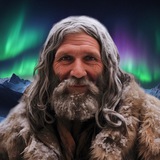
”Reconstruction” shown is a hypothetical Norwegian SHG (merging of WHG and EHG recons), as we don’t have a skull for this sample.
Coordinates:
Norway_North_LN_HG,0.126344,0.06804,0.157259,0.194124,0.035083,0.057451,-0.00235,-0.001846,0.003681,-0.070161,0.006983,-0.017834,0.032705,-0.03069,0.026601,0.031954,0.002347,-0.002787,-0.008045,0.027513,0.014849,0.013478,-0.003081,-0.053622,0.001197
For perspective, this SHG was contemporary with the late Battle Axe culture further south. He is also the earliest evidence of Y-DNA R1b in Norway, although he belonged to a different clade than the Indo European derived ones. It may be possible that this man’s tribe survived long enough to interact with the first Sámi migrants to Northern Scandinavia during the early Iron Age.
”Reconstruction” shown is a hypothetical Norwegian SHG (merging of WHG and EHG recons), as we don’t have a skull for this sample.
Coordinates:
Norway_North_LN_HG,0.126344,0.06804,0.157259,0.194124,0.035083,0.057451,-0.00235,-0.001846,0.003681,-0.070161,0.006983,-0.017834,0.032705,-0.03069,0.026601,0.031954,0.002347,-0.002787,-0.008045,0.027513,0.014849,0.013478,-0.003081,-0.053622,0.001197
🔥13❤5👍3💩3
Forwarded from Genetic Chronicles
DNA Estimate of Ancient Assyrians, made by my friend TheBeakerLady.
Part of an educational series featuring samples of ancient civilizations.
The first post of this series is of the only sample from Ancient Assyrian Empire. I included two breakdowns according to calculators by the talented Waters of Memory and the closest modern populations from the G25 database.
Part of an educational series featuring samples of ancient civilizations.
The first post of this series is of the only sample from Ancient Assyrian Empire. I included two breakdowns according to calculators by the talented Waters of Memory and the closest modern populations from the G25 database.
❤25🔥2😁1
Forwarded from TheBeakerLady
Artistic reconstruction of a young man of the Sintashta culture created in collaboration with TheChadPastoralist and Upasaka. His face is based on an anthropological bust by the talented anthropologist, Alexei Nechvaloda.
No pigmentation data on this individual so I used pigmentation data available on the Sintashta culture.
Background image is from a photo by Kudrjashov Andrey.
Original photo is here: https://commons.m.wikimedia.org/wiki/File:Аркаим_Исторический_парк_-_panoramio.jpg
No pigmentation data on this individual so I used pigmentation data available on the Sintashta culture.
Background image is from a photo by Kudrjashov Andrey.
Original photo is here: https://commons.m.wikimedia.org/wiki/File:Аркаим_Исторический_парк_-_panoramio.jpg
👍15❤10😁1🤔1
Made a few changes to my ancestral calculator again. Added in a more reliable ”pure steppe” Corded Ware average. Also expanded the Asian and African sections.
https://justpaste.it/cywld
Works a lot better now, share your results!
https://justpaste.it/cywld
Works a lot better now, share your results!
🔥20❤3👏3👍1
G25 model showing the relationships between different Paleolithic European groups
Ice Age Europeans descended from three different types of Aurignacians:
- Common West Eurasian, which is a ghost lineage that appears most similar to WHGs. This component likely stemmed from Aurignacian groups who lived in West or SW Asia.
- Proto-Gravettian, which is a lineage associated with Eastern European Aurignacians, such as the ones found at Sunghir and Kostenki.
- Goyet Q116_1-related ancestry, which represents Western European Aurignacians.
Here’s some background on the samples tested:
Gravettian represents the Vestonice cluster, who were the main population of the Gravettian culture. This culture was the result of Eastern European ”Proto-Gravettians” mostly replacing Goyet-related groups in Central and Eastern Europe.
Fournol was a regional variant of the Gravettian culture in SW Europe who largely retained the GoyetQ116-related ancestry.
(1/2)
Ice Age Europeans descended from three different types of Aurignacians:
- Common West Eurasian, which is a ghost lineage that appears most similar to WHGs. This component likely stemmed from Aurignacian groups who lived in West or SW Asia.
- Proto-Gravettian, which is a lineage associated with Eastern European Aurignacians, such as the ones found at Sunghir and Kostenki.
- Goyet Q116_1-related ancestry, which represents Western European Aurignacians.
Here’s some background on the samples tested:
Gravettian represents the Vestonice cluster, who were the main population of the Gravettian culture. This culture was the result of Eastern European ”Proto-Gravettians” mostly replacing Goyet-related groups in Central and Eastern Europe.
Fournol was a regional variant of the Gravettian culture in SW Europe who largely retained the GoyetQ116-related ancestry.
(1/2)
👏13❤6💩2🤔1
Epigravettian represents early WHGs, who replaced the last Gravettians in their Italian refuge during the LGM.
Magdalenian represents a population formed from Epigravettians mixing with Fournol-descended groups in Iberia. This was the first group to repopulate Europe after the LGM.
Oberkassel represents another WHG group, who migrated north from Italy and replaced the Magdalenians
(2/2)
Magdalenian represents a population formed from Epigravettians mixing with Fournol-descended groups in Iberia. This was the first group to repopulate Europe after the LGM.
Oberkassel represents another WHG group, who migrated north from Italy and replaced the Magdalenians
(2/2)
👏14❤3🤔2👍1💩1
Forwarded from 079084221 (Waters)
Map of Ancient North Eurasian admixture in Eurasia and North Africa 🦌🦣 (fully up to date)
Made using my standard Paleolithic calculator: https://justpaste.it/c7agn
Made using my standard Paleolithic calculator: https://justpaste.it/c7agn
❤31👍5👎1