با سلام
نشست یکصدوشصتونهم باشگاه فیزیک تهران، ساعت ۱۷ روز دوشنبه 3 تیرماه 1398، در سالن آمفی تئاتر دانشکده فیزیک دانشگاه تهران (انتهای خیابان کارگرشمالی، روبهروی کوچه نوزدهم) برگزار خواهد شد.
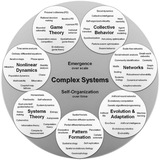
آقای دکتر سامان مقیمی عراقی از دانشکده فیزیک دانشگاه صنعتی شریف در این باشگاه از «پیچیدگی و سیستمهای پیچیده» خواهند گفت.
علاقهمندان در این باشگاه از اخبار تازه فیزیک نیز آگاه میشوند.
مخاطبان این باشگاه، همهی علاقهمندان به فیزیک هستند. برای یادآوری به دوستان خود، با چاپ و نصب پوستر باشگاه در محل کار یا محل تحصیل خود، دیگر علاقهمندان فیزیک را آگاه کنید.
عضویت در #باشگاه_فیزیک و حضور در جلسات آن برای همهی علاقهمندان به علم فیزیک آزاد است.
نشست یکصدوشصتونهم باشگاه فیزیک تهران، ساعت ۱۷ روز دوشنبه 3 تیرماه 1398، در سالن آمفی تئاتر دانشکده فیزیک دانشگاه تهران (انتهای خیابان کارگرشمالی، روبهروی کوچه نوزدهم) برگزار خواهد شد.
آقای دکتر سامان مقیمی عراقی از دانشکده فیزیک دانشگاه صنعتی شریف در این باشگاه از «پیچیدگی و سیستمهای پیچیده» خواهند گفت.
علاقهمندان در این باشگاه از اخبار تازه فیزیک نیز آگاه میشوند.
مخاطبان این باشگاه، همهی علاقهمندان به فیزیک هستند. برای یادآوری به دوستان خود، با چاپ و نصب پوستر باشگاه در محل کار یا محل تحصیل خود، دیگر علاقهمندان فیزیک را آگاه کنید.
عضویت در #باشگاه_فیزیک و حضور در جلسات آن برای همهی علاقهمندان به علم فیزیک آزاد است.
Analyzing and inferring human real-life behavior through online social networks with social influence deep learning
“framework that combines deep learning with network science for modeling social influence and predicting human behavior”
https://t.co/jAUaoEGWqo
“framework that combines deep learning with network science for modeling social influence and predicting human behavior”
https://t.co/jAUaoEGWqo
The nuclear network: multiplex network analysis for interconnected systems
“modeling approach provides a means for identifying states with the highest relative likelihood of proliferation—based only on their relationships to other states”
https://appliednetsci.springeropen.com/articles/10.1007/s41109-019-0141-4
“modeling approach provides a means for identifying states with the highest relative likelihood of proliferation—based only on their relationships to other states”
https://appliednetsci.springeropen.com/articles/10.1007/s41109-019-0141-4
✅ Network Science lectures Lectures at Complex Systems Summer School, Aaron Clauset
Part 1: what are networks and how do we talk about them? (the big picture)
🔗 https://t.co/oy09eDjBwx
Part 2: degrees, positions, and communities (plus bonus material)
🔗 https://t.co/nbezMF7EGq
Part 3: null models and statistical inference for network structure (my favorite lecture)
🔗 https://t.co/5ucO0bhQ9z
#CSSS19
Part 1: what are networks and how do we talk about them? (the big picture)
🔗 https://t.co/oy09eDjBwx
Part 2: degrees, positions, and communities (plus bonus material)
🔗 https://t.co/nbezMF7EGq
Part 3: null models and statistical inference for network structure (my favorite lecture)
🔗 https://t.co/5ucO0bhQ9z
#CSSS19
A network approach to cartel detection in public auction markets
“method detects a known cartel and calculates that it has high cohesion and exclusivity”
https://t.co/xNLVIrQ1Dy
“method detects a known cartel and calculates that it has high cohesion and exclusivity”
https://t.co/xNLVIrQ1Dy
✅ This is an absolutely dynamite paper for anyone interested in applying dimensionality reduction to their data
https://t.co/fz4SKyLvHz
#manifold
https://t.co/fz4SKyLvHz
#manifold
journals.plos.org
Ten quick tips for effective dimensionality reduction
🧂 "Introduction to Quantum Thermodynamics (Lecture Notes)" (by Patrick P. Potts):
https://t.co/4dxksrULKE
https://t.co/4dxksrULKE
arXiv.org
Introduction to Quantum Thermodynamics (Lecture Notes)
The theory of quantum thermodynamics investigates how the concepts of heat,
work, and temperature can be carried over to the quantum realm, where
fluctuations and randomness are fundamentally...
work, and temperature can be carried over to the quantum realm, where
fluctuations and randomness are fundamentally...
Forwarded from Complex Networks (SBU)
📚معرفی کتاب «روشهای مونت کارلو در فیزیک آماری» نیومن
Monte Carlo Methods in Statistical Physics
M. E. J. Newman and G. T. Barkema
نویسنده: محمد بهرامی
روشهای مونت کارلو روشهای تقریبی هستند که برای شبیهسازی کامپیوتری سیستمهای آماری به کار میروند. در مکانیک آماری برای بهدست آوردن پارامترهای بزرگمقیاس باید آن پارامتر بر روی تمام ریز حالتهای ممکن متوسطگیری شود. این کار برای سیستمهای با ابعاد بزرگ به دلیل زیادی ریز حالتها، در شبیهسازی کامپیوتری عملاً غیرقابل انجام است. به همین خاطر فیزیکدانان و ریاضیدان سعی کردهاند که این مشکل را به نحوی حل کنند. در واقع، روشهای مونت کارلو پاسخ فیزیکدانان برای حل این مشکل بود. در این روش زنجیرهای از حالتهای متفاوت ساخته میشود که با شروع از هر حالت دلخواه، سیستم را به تعادل میرساند. حلقه اولیه نشانگر یک ریزحالت از فضای فاز سیستم است که انتخاب آن کاملاً تصادفی است و نباید نقشی در بهتعادل رسیدن سیستم داشته باشد. حلقه بعدی گذر سیستم از حالت اولیه به حالت ثانویه را نشان میدهد. در گذر از این حلقهها قید متناسب بودن احتمال رخداد هر ریزحالت رعایت میشود. در حقیقت همین قید است که به ما اجازه میدهد برای رسیدن به تعادل مسیر کوتاه تری را طی کنیم و نیازمند بررسی تمام ریز حالتها نباشیم؛ بنابراین این روش یکی از مهمترین پیشرفتهای صورت گرفته در بررسی سیستمهای آماری است و فیزیکدانان از اهمیت آن کاملا آگاه هستند. در نتیجه دانستن آن برای دانشجویان فیزیک کاملاً ضروری است.
کتاب «روشهای مونت کارلو در فیزیک آماری» مارک نیومن را میتوان یکی از روانترین کتابهای موجود برای تازه ورودها در حوزه استفاده از روشهای مونت کارلو در شبیهسازی سیستمهای پیچیده دانست. برای خواندن این کتاب خواننده تنها به داشتن دانش کارشناسی از دروس مکانیک آماری و ترمودینامیک نیازمند است. همچنین این کتاب را میتوان منبع بسیار مناسبی برای کسانی که میخواهند بهطورعمیق تر به مطالعه اصول به کار رفته در زیربنای این روش آماری بپردازند دانست. در این کتاب نه تنها خواننده با چیستی روش مونت کارلو آشنا میگردد بلکه به درک عمیقی از اصول آماری نهفته در این روش دست مییابد. به عبارت دیگر خواننده در خواهد یافت که اساساً چرا این روش با همه سادگیش به خوبی کار میکند و حتی چگونه میتواند به آن سرعت بخشید.
در فصلهای اول و دوم، نویسنده ابتدا بهطور خلاصه به توصیف مکانیک آماری میپردازد و خواننده را با مفاهیم آماری تعادل، دما و افت و خیزهای موجود در مکانیک آماری آشنا میسازد. همچنین نویسنده، خواننده را به انجام شبیهسازی کامپیوتری برای درک بهتر از قوانین مکانیک آماری ترغیب میکند. در ادامه مارک نیومن به چالشهای موجود در شبیهسازیهای مونتکارلو و راه حلهای ارائه شده توسط فیزیکدانان میپردازد؛ بنابراین خواندن این دو فصل از کتاب کاملاً ضروری است و بنیان دانش شما را برای استفاده از مطالب فصلهای آتی فراهم میسازد.
مهمترین ویژگی این کتاب را میتوان ارائه اصول الگوریتم شبیهسازی مونت کارلو در مدلهای مختلف در قالب مثال دانست. به عبارت دیگر کتاب پر از مثالهای مختلفی است که درک الگوریتم مونت کارلو را برای خواننده آسان میسازد. برای مثال، نویسنده پس از مقدمهای کوتاه بر مدل آیزینگ، به سراغ شبیهسازی این مدل و بهرهگیری از الگوریتم متروپلیس به منظور شبیهسازی این مدل میپردازد. همچنین نویسنده الگوریتمهای ولف و وانگ که از سریعترین الگوریتم ها برای شبیهسازی مدل آیزینگ به حساب میآیند را نیز معرفی کرده است؛ بنابراین این کتاب را میتوان منبع بسیار مناسبی برای دانشجویانی که قصد دارند شبیهسازی مدل آیزنگ یا سایر مدلهای شبکه را انجام دهند دانست.
در فصلهای بعد نویسنده به صحت و سقم و خطاهای موجود در دادههای بدست آمده از شبیهسازی مونت کارلو میپردازد. مضاف بر این، خواننده میتواند از تکنیک بررسی مقیاسی ابعاد محدود که در تعیین بحرانیت در سیستمهای پیچیده کاملاً ضروری است مطلع شود. همچنین نویسنده این کتاب بهطور مفصل به چگونگی استخراج نماهای بحرانی، که به تعیین کلاس جهان شمولی کمک میکند، با استفاده از دادههای شبیهسازی مونت کارلو پرداخته است.
http://facultymembers.sbu.ac.ir/jafari/farsi/2019/01/29/montecarlo-newman/
~~~~~~~~~~~~~~~~~
🕸 مرکز شبکههای پیچیده و علم داده اجتماعی دانشگاه شهید بهشتی
🕸 @CCNSD 🔗 ccnsd.ir
~~~~~~~~~~~~~~~~~
Monte Carlo Methods in Statistical Physics
M. E. J. Newman and G. T. Barkema
نویسنده: محمد بهرامی
روشهای مونت کارلو روشهای تقریبی هستند که برای شبیهسازی کامپیوتری سیستمهای آماری به کار میروند. در مکانیک آماری برای بهدست آوردن پارامترهای بزرگمقیاس باید آن پارامتر بر روی تمام ریز حالتهای ممکن متوسطگیری شود. این کار برای سیستمهای با ابعاد بزرگ به دلیل زیادی ریز حالتها، در شبیهسازی کامپیوتری عملاً غیرقابل انجام است. به همین خاطر فیزیکدانان و ریاضیدان سعی کردهاند که این مشکل را به نحوی حل کنند. در واقع، روشهای مونت کارلو پاسخ فیزیکدانان برای حل این مشکل بود. در این روش زنجیرهای از حالتهای متفاوت ساخته میشود که با شروع از هر حالت دلخواه، سیستم را به تعادل میرساند. حلقه اولیه نشانگر یک ریزحالت از فضای فاز سیستم است که انتخاب آن کاملاً تصادفی است و نباید نقشی در بهتعادل رسیدن سیستم داشته باشد. حلقه بعدی گذر سیستم از حالت اولیه به حالت ثانویه را نشان میدهد. در گذر از این حلقهها قید متناسب بودن احتمال رخداد هر ریزحالت رعایت میشود. در حقیقت همین قید است که به ما اجازه میدهد برای رسیدن به تعادل مسیر کوتاه تری را طی کنیم و نیازمند بررسی تمام ریز حالتها نباشیم؛ بنابراین این روش یکی از مهمترین پیشرفتهای صورت گرفته در بررسی سیستمهای آماری است و فیزیکدانان از اهمیت آن کاملا آگاه هستند. در نتیجه دانستن آن برای دانشجویان فیزیک کاملاً ضروری است.
کتاب «روشهای مونت کارلو در فیزیک آماری» مارک نیومن را میتوان یکی از روانترین کتابهای موجود برای تازه ورودها در حوزه استفاده از روشهای مونت کارلو در شبیهسازی سیستمهای پیچیده دانست. برای خواندن این کتاب خواننده تنها به داشتن دانش کارشناسی از دروس مکانیک آماری و ترمودینامیک نیازمند است. همچنین این کتاب را میتوان منبع بسیار مناسبی برای کسانی که میخواهند بهطورعمیق تر به مطالعه اصول به کار رفته در زیربنای این روش آماری بپردازند دانست. در این کتاب نه تنها خواننده با چیستی روش مونت کارلو آشنا میگردد بلکه به درک عمیقی از اصول آماری نهفته در این روش دست مییابد. به عبارت دیگر خواننده در خواهد یافت که اساساً چرا این روش با همه سادگیش به خوبی کار میکند و حتی چگونه میتواند به آن سرعت بخشید.
در فصلهای اول و دوم، نویسنده ابتدا بهطور خلاصه به توصیف مکانیک آماری میپردازد و خواننده را با مفاهیم آماری تعادل، دما و افت و خیزهای موجود در مکانیک آماری آشنا میسازد. همچنین نویسنده، خواننده را به انجام شبیهسازی کامپیوتری برای درک بهتر از قوانین مکانیک آماری ترغیب میکند. در ادامه مارک نیومن به چالشهای موجود در شبیهسازیهای مونتکارلو و راه حلهای ارائه شده توسط فیزیکدانان میپردازد؛ بنابراین خواندن این دو فصل از کتاب کاملاً ضروری است و بنیان دانش شما را برای استفاده از مطالب فصلهای آتی فراهم میسازد.
مهمترین ویژگی این کتاب را میتوان ارائه اصول الگوریتم شبیهسازی مونت کارلو در مدلهای مختلف در قالب مثال دانست. به عبارت دیگر کتاب پر از مثالهای مختلفی است که درک الگوریتم مونت کارلو را برای خواننده آسان میسازد. برای مثال، نویسنده پس از مقدمهای کوتاه بر مدل آیزینگ، به سراغ شبیهسازی این مدل و بهرهگیری از الگوریتم متروپلیس به منظور شبیهسازی این مدل میپردازد. همچنین نویسنده الگوریتمهای ولف و وانگ که از سریعترین الگوریتم ها برای شبیهسازی مدل آیزینگ به حساب میآیند را نیز معرفی کرده است؛ بنابراین این کتاب را میتوان منبع بسیار مناسبی برای دانشجویانی که قصد دارند شبیهسازی مدل آیزنگ یا سایر مدلهای شبکه را انجام دهند دانست.
در فصلهای بعد نویسنده به صحت و سقم و خطاهای موجود در دادههای بدست آمده از شبیهسازی مونت کارلو میپردازد. مضاف بر این، خواننده میتواند از تکنیک بررسی مقیاسی ابعاد محدود که در تعیین بحرانیت در سیستمهای پیچیده کاملاً ضروری است مطلع شود. همچنین نویسنده این کتاب بهطور مفصل به چگونگی استخراج نماهای بحرانی، که به تعیین کلاس جهان شمولی کمک میکند، با استفاده از دادههای شبیهسازی مونت کارلو پرداخته است.
http://facultymembers.sbu.ac.ir/jafari/farsi/2019/01/29/montecarlo-newman/
~~~~~~~~~~~~~~~~~
🕸 مرکز شبکههای پیچیده و علم داده اجتماعی دانشگاه شهید بهشتی
🕸 @CCNSD 🔗 ccnsd.ir
~~~~~~~~~~~~~~~~~
When looking at the dynamics of complex networks, not all links are the same. In C/C++ software projects, we can classify source code dependencies as endogenous (intra) or exogenous (inter) links according to fluctuations in development activity.
https://t.co/LHZwq8A9Az
https://t.co/LHZwq8A9Az
🎬 Nonequilibrium Statistical Mechanics by Prof. V. Balakrishnan, Department of Physics, IIT Madras.
For more details on NPTEL visit http //nptel.ac.in
https://www.youtube.com/playlist?list=PLbMVogVj5nJQqNx0ElSk3Ip04Ofg7B22W
For more details on NPTEL visit http //nptel.ac.in
https://www.youtube.com/playlist?list=PLbMVogVj5nJQqNx0ElSk3Ip04Ofg7B22W
YouTube
Physics - Nonequilibrium Statistical Mechanics
Share your videos with friends, family, and the world
🔹 Restricted Boltzmann machines in quantum physics | Perspective by Roger G. Melko, Giuseppe Carleo, Juan Carrasquilla & J. Ignacio Cirac
https://t.co/eIxz7dmwBj
https://t.co/eIxz7dmwBj
Hierarchical cluster analysis on famous data sets - enhanced with the dendextend package
https://cran.r-project.org/web/packages/dendextend/vignettes/Cluster_Analysis.html
https://cran.r-project.org/web/packages/dendextend/vignettes/Cluster_Analysis.html
cran.r-project.org
Hierarchical cluster analysis on famous data sets - enhanced with the dendextend package
Complex Systems Studies
https://en.wikipedia.org/wiki/Swendsen%E2%80%93Wang_algorithm
image_2019-06-25_19-56-05.png
784.4 KB
[4] R. H. Swendsen and J.-S. Wang. Nonuniversal critical dynamics in monte carlo simulations. Phys. Rev. Lett., 58:86–88, 1987.
[5] U. Wolff. Collective monte carlo updating for spin systems. Phys. Rev. Lett., 62:361,1989.
[5] U. Wolff. Collective monte carlo updating for spin systems. Phys. Rev. Lett., 62:361,1989.
🔖 Cluster Monte Carlo algorithms
Werner Krauth
In recent years, a better understanding of the Monte Carlo method has provided us with many new techniques in different areas of statistical physics. Of particular interest are so called cluster methods, which exploit the considerable algorithmic freedom given by the detailed balance condition. Cluster algorithms appear, among other systems, in classical spin models, such as the Ising model, in lattice quantum models (bosons, quantum spins and related systems) and in hard spheres and other `entropic' systems for which the configurational energy is either zero or infinite. In this chapter, we discuss the basic idea of cluster algorithms with special emphasis on the pivot cluster method for hard spheres and related systems, for which several recent applications are presented.We provide less technical detail but more context than in the original papers.
🔗 https://arxiv.org/pdf/cond-mat/0311623v1
Werner Krauth
In recent years, a better understanding of the Monte Carlo method has provided us with many new techniques in different areas of statistical physics. Of particular interest are so called cluster methods, which exploit the considerable algorithmic freedom given by the detailed balance condition. Cluster algorithms appear, among other systems, in classical spin models, such as the Ising model, in lattice quantum models (bosons, quantum spins and related systems) and in hard spheres and other `entropic' systems for which the configurational energy is either zero or infinite. In this chapter, we discuss the basic idea of cluster algorithms with special emphasis on the pivot cluster method for hard spheres and related systems, for which several recent applications are presented.We provide less technical detail but more context than in the original papers.
🔗 https://arxiv.org/pdf/cond-mat/0311623v1
〽️ ICTP-ICTS Winter School on Quantitative Systems Biology 2019
🌐 http://indico.ictp.it/event/8736/
🆔 @ComplexSys
🌐 http://indico.ictp.it/event/8736/
🆔 @ComplexSys
💵 PhD Position "Swiss Parliamentary Networks" (100%)
We are currently looking for a PhD candidate working in the project “Analyzing Co-Sponsorship Networks from 127 Years of the Swiss Federal Assembly”, starting as soon as possible or by agreement. The project aims at gaining a deeper understanding of legislative collaboration networks using a data-driven approach. The applicant will work on a newly compiled data set, which comprises of speeches given by members of parliament and information on collaboration networks from 1891 until today. Successful applicants should have a strong academic background in data sciences with an interest in political science. Since the project entails working with German texts, only PhD candidates with excellent German skills are considered.
The successful candidate has graduated from a university and has received a MSc degree (or equivalent) in physics, computer science, or related field, with proven interest in social sciences and interdisciplinary research. Alternatively, he/she has received a MA degree in political science (or sociology) with proven technical skills in data management and quantitative methods. Furthermore, good programming skills in scientific computing languages like Python or R are necessary, knowledge of natural language processing (NLP) tools is a plus.
The candidate should be interested in becoming acquainted with the workings of the Swiss parliament and should have strong abilities to communicate in an interdisciplinary scientific environment. Fluency in German and English is a must, French or Italian language skills are of advantage but are not mandatory.
https://apply.refline.ch/845721/7003/pub/13/index.html
We are currently looking for a PhD candidate working in the project “Analyzing Co-Sponsorship Networks from 127 Years of the Swiss Federal Assembly”, starting as soon as possible or by agreement. The project aims at gaining a deeper understanding of legislative collaboration networks using a data-driven approach. The applicant will work on a newly compiled data set, which comprises of speeches given by members of parliament and information on collaboration networks from 1891 until today. Successful applicants should have a strong academic background in data sciences with an interest in political science. Since the project entails working with German texts, only PhD candidates with excellent German skills are considered.
The successful candidate has graduated from a university and has received a MSc degree (or equivalent) in physics, computer science, or related field, with proven interest in social sciences and interdisciplinary research. Alternatively, he/she has received a MA degree in political science (or sociology) with proven technical skills in data management and quantitative methods. Furthermore, good programming skills in scientific computing languages like Python or R are necessary, knowledge of natural language processing (NLP) tools is a plus.
The candidate should be interested in becoming acquainted with the workings of the Swiss parliament and should have strong abilities to communicate in an interdisciplinary scientific environment. Fluency in German and English is a must, French or Italian language skills are of advantage but are not mandatory.
https://apply.refline.ch/845721/7003/pub/13/index.html
Forwarded from انجمن علمی دانشکده ریاضی و علوم کامپیوتر
🔹سمینار ۲روزه آمار (با رویکرد علومداده|DataScience)
🗓دوشنبه و سهشنبه مورخ ۱۰ و ۱۱ تیرماه ۹۸
⏰از ساعت ۱۳:۳۰ الی ۱۵:۳۰ و ۱۶ الی ۱۸
🏛دانشگاه صنعتی امیرکبیر، سالن آمفیتئاتر مرکزی بهمن
✳️لینک ثبتنام:
evnd.co/9jiaH
❓در صورت هرگونه مشکل یا سوال به آیدی زیر پیام دهید
@amirali_kbl
🗓دوشنبه و سهشنبه مورخ ۱۰ و ۱۱ تیرماه ۹۸
⏰از ساعت ۱۳:۳۰ الی ۱۵:۳۰ و ۱۶ الی ۱۸
🏛دانشگاه صنعتی امیرکبیر، سالن آمفیتئاتر مرکزی بهمن
✳️لینک ثبتنام:
evnd.co/9jiaH
❓در صورت هرگونه مشکل یا سوال به آیدی زیر پیام دهید
@amirali_kbl