2. Pàpañ ce puriso kayirà
na tam kayirà punappunam
Na tamhi chandam kayiràtha
dukkho pàpassa uccayo. 117.
DO NO EVIL AGAIN AND AGAIN
2. Should a person commit evil, he should not do it again and again; he should not find pleasure therein: painful is the accumulation of evil. 117.
Story
A monk used to commit a wrong act again and again. The Buddha reproved him and uttered this stanza.
===
Dhammapada, beloved and favorite teachings of the Buddha channel:
https://news.1rj.ru/str/dhammapadas
===
na tam kayirà punappunam
Na tamhi chandam kayiràtha
dukkho pàpassa uccayo. 117.
DO NO EVIL AGAIN AND AGAIN
2. Should a person commit evil, he should not do it again and again; he should not find pleasure therein: painful is the accumulation of evil. 117.
Story
A monk used to commit a wrong act again and again. The Buddha reproved him and uttered this stanza.
===
Dhammapada, beloved and favorite teachings of the Buddha channel:
https://news.1rj.ru/str/dhammapadas
===
Telegram
Dhammapada - Buddha Dharma Teachings
Daily teachings of the Dhammapada, beloved and favorite teachings of the Buddha
👍1🙏1
Forwarded from Buddha
...“Now this, bhikkhus, is the noble truth of suffering: birth is suffering, aging is suffering, illness is suffering, death is suffering; union with what is displeasing is suffering; separation from what is pleasing is suffering; not to get what one wants is suffering; in brief, the five aggregates subject to clinging are suffering...‘Unshakable is the liberation of my mind. This is my last birth. Now there is no more renewed existence.’”
Excerpts from Samyuta Nikaya 56.11 Dhammacakkappavattana Sutta
Excerpts from Samyuta Nikaya 56.11 Dhammacakkappavattana Sutta
🙏4👌1
Forwarded from Buddha Dharma books
Free Buddha Dharma ebook
Living Meditation, Living Insight
Dr. Thynn Thynn
Free download available:
https://ftp.budaedu.org/ebooks/pdf/EN467.pdf
===
Living Meditation, Living Insight
Dr. Thynn Thynn
Free download available:
https://ftp.budaedu.org/ebooks/pdf/EN467.pdf
===
👏2👌1
Forwarded from Buddha Dharma books
Free Buddha Dharma ebook
Living Meditation, Living Insight
Dr. Thynn Thynn
Dr. Thynn's book Living Meditation, Living Insight speaks most eloquently on how the path of mindfulness may be available to householders with full responsibilities of jobs and families. The most precious commodity in our busy daily life is time, and the complexities of life are so demanding that to find a sense of balance and sanity seems to be a pressing issue. Dr. Thynn's focus is on gaining this balance through spiritual insight by keeping mindfulness alive in the midst of our busy daily lives.
Free download available:
https://ftp.budaedu.org/ebooks/pdf/EN467.pdf
===
Living Meditation, Living Insight
Dr. Thynn Thynn
Dr. Thynn's book Living Meditation, Living Insight speaks most eloquently on how the path of mindfulness may be available to householders with full responsibilities of jobs and families. The most precious commodity in our busy daily life is time, and the complexities of life are so demanding that to find a sense of balance and sanity seems to be a pressing issue. Dr. Thynn's focus is on gaining this balance through spiritual insight by keeping mindfulness alive in the midst of our busy daily lives.
Free download available:
https://ftp.budaedu.org/ebooks/pdf/EN467.pdf
===
❤1🫡1🆒1
Anyone who wants to develop the fire kasina should apprehend the sign in fire. Herein, when someone with merit, having had previous practice, is apprehending the sign, it arises in him in any sort of fire, not made up, as he looks at the fiery combustion in a lamp’s flame or in a furnace or in a place for baking bowls or in a forest conflagration, as in the Elder Cittagutta’s case. The sign arose in that elder as he was looking at a lamp’s flame while he was in the Uposatha house on the day of preaching the Dhamma.
The counterpart sign appears motionless like a piece of red cloth set in space, like a gold fan, like a gold column. With its appearance he reaches access jhana and the jhana tetrad and pentad in the way already described.
Partial excerpts from the Visuddhimagga : chapter 5: the Fire Kasina
The counterpart sign appears motionless like a piece of red cloth set in space, like a gold fan, like a gold column. With its appearance he reaches access jhana and the jhana tetrad and pentad in the way already described.
Partial excerpts from the Visuddhimagga : chapter 5: the Fire Kasina
🙏2🔥1👌1
3. Puññam ce puriso kayirà
kayiràth'etam punappunam
Tamhi chandam kayiràtha
sukho puññassa uccayo. 118.
DO GOOD AGAIN AND AGAIN
3. Should a person perform a meritorious action, he should do it again and again; he should find pleasure therein: blissful is the accumulation of merit. 118.
Story
A poor but devout woman offered some food to an Arahant. Bitten by a serpent, she died and was born in a heavenly state. As a goddess she came early in the morning to clean the premises of the Arahant to increase her good fortune. The Arahant prevented her from doing so. She was grieved. The Buddha perceived her sad state of mind and advised her.
===
Buddha dharma teachings channel:
https://invite.viber.com/?g2=AQAKw1y3rv%2F6sk61PI2W4izuIiaEZj8YZujhY1tSzL%2B07s7rFnVFDAd0bAYFaMLw
===
kayiràth'etam punappunam
Tamhi chandam kayiràtha
sukho puññassa uccayo. 118.
DO GOOD AGAIN AND AGAIN
3. Should a person perform a meritorious action, he should do it again and again; he should find pleasure therein: blissful is the accumulation of merit. 118.
Story
A poor but devout woman offered some food to an Arahant. Bitten by a serpent, she died and was born in a heavenly state. As a goddess she came early in the morning to clean the premises of the Arahant to increase her good fortune. The Arahant prevented her from doing so. She was grieved. The Buddha perceived her sad state of mind and advised her.
===
Buddha dharma teachings channel:
https://invite.viber.com/?g2=AQAKw1y3rv%2F6sk61PI2W4izuIiaEZj8YZujhY1tSzL%2B07s7rFnVFDAd0bAYFaMLw
===
Viber
Buddha
Buddha dharma teachings from the suttas and commentaries from Theravada tradition
🥰1👏1
Forwarded from Buddha
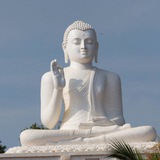
White Buddha of the Blue Temple, Wat Rong Suea Ten, Chiang Rai, Thailand.
🤩2👍1
Buddham Saranam Gacchami
Dhammam Saranam Gacchami
Sangham Saranam Gacchami
I take refuge to the Buddha.
I take refuge to the Dhamma.
I take refuge to the Sangha.
बुद्धं शरणं गच्छामि।
धर्मं शरणं गच्छामि।
संघं शरणं गच्छामि।
බුදුන් සරණං ගච්ඡාමි
ධම්මං සරණං ගච්ඡාමි
සංඝං සරණං ගච්ඡාමි
ข้าพเจ้าขอพึ่งพระพุทธเจ้า
ข้าพเจ้าขอพึ่งพระธรรม
ข้าพเจ้าขอพึ่งพระสงฆ์
မြတ်စွာဘုရားကို ဆည်းကပ်ပါ၏။
တရား၌ ခိုလှုံပါ၏။
သံဃာ၌ ခိုလှုံပါ၏။
Dhammam Saranam Gacchami
Sangham Saranam Gacchami
I take refuge to the Buddha.
I take refuge to the Dhamma.
I take refuge to the Sangha.
बुद्धं शरणं गच्छामि।
धर्मं शरणं गच्छामि।
संघं शरणं गच्छामि।
බුදුන් සරණං ගච්ඡාමි
ධම්මං සරණං ගච්ඡාමි
සංඝං සරණං ගච්ඡාමි
ข้าพเจ้าขอพึ่งพระพุทธเจ้า
ข้าพเจ้าขอพึ่งพระธรรม
ข้าพเจ้าขอพึ่งพระสงฆ์
မြတ်စွာဘုရားကို ဆည်းကပ်ပါ၏။
တရား၌ ခိုလှုံပါ၏။
သံဃာ၌ ခိုလှုံပါ၏။
👏1🙏1👌1😇1
Free Buddha Dharma ebook
Straight from the Heart
Thirteen Talks on the Practice of Meditation
By Acariya Maha Boowa Nanasampanno
Free download here:
https://drive.google.com/file/d/1stJ9ubiqPg_Z-xNPApqkz_FoDv2Eg2_m/view?usp=drive_link
===
Straight from the Heart
Thirteen Talks on the Practice of Meditation
By Acariya Maha Boowa Nanasampanno
Free download here:
https://drive.google.com/file/d/1stJ9ubiqPg_Z-xNPApqkz_FoDv2Eg2_m/view?usp=drive_link
===
🥰1👌1
Free Buddha Dharma ebook
Straight from the Heart
Thirteen Talks on the Practice of Meditation
By Acariya Maha Boowa Nanasampanno
The talks in the present collection all deal with the practice of meditation, and particularly with the development of discernment. Because their style of presentation is personal and impromptu, they will probably be best understood if read in conjunction with a more systematic introduction to the techniques of meditation, such as the Venerable Ācariya’s own book, Wisdom Develops Samādhi, which is available separately or as part of the volume, Forest Dhamma.
The noscript of the present book is taken from a request, frequently made by the Venerable Ācariya to his listeners, that his teachings be taken to heart, because they come straight from the heart.
Free download here:
https://drive.google.com/file/d/1stJ9ubiqPg_Z-xNPApqkz_FoDv2Eg2_m/view?usp=drive_link
===
Straight from the Heart
Thirteen Talks on the Practice of Meditation
By Acariya Maha Boowa Nanasampanno
The talks in the present collection all deal with the practice of meditation, and particularly with the development of discernment. Because their style of presentation is personal and impromptu, they will probably be best understood if read in conjunction with a more systematic introduction to the techniques of meditation, such as the Venerable Ācariya’s own book, Wisdom Develops Samādhi, which is available separately or as part of the volume, Forest Dhamma.
The noscript of the present book is taken from a request, frequently made by the Venerable Ācariya to his listeners, that his teachings be taken to heart, because they come straight from the heart.
Free download here:
https://drive.google.com/file/d/1stJ9ubiqPg_Z-xNPApqkz_FoDv2Eg2_m/view?usp=drive_link
===
👏1🆒1
4. Pàpo' pi passati bhadram
yàva pàpam na paccati
Yadà ca paccati pàpam
atha pàpo pàpàni passati. 119.
5. Bhadro' pi passati pàpam
yàva bhadram na paccati
Yadà ca paccati bhadram
atha bhadro bhadràni passati. 120.
BY ITS EFFECTS EVIL IS KNOWN
BY ITS EFFECTS GOOD IS KNOWN
4. Even an evil-doer sees good as long as evil ripens not; but when it bears fruit, then he sees the evil results. 4 119.
5. Even a good person sees evil so long as good ripens not; but when it bears fruit then the good one sees the good results. 5 120.
Story
Anàthapiudika very generously supported the Sangha and lost the greater part of his fortune. He was criticised for his extravagant almsgiving. But ignoring all criticism, he continued his generous acts. Appreciating his generosity, the Buddha uttered these verses to show the results of both good and bad.
===
Words of the Buddha channel:
https://invite.viber.com/?g2=AQAFqzqlj7FmI061PX17rxWMAtZ%2BRuso%2FH2KmHKZSgnv7v9DD8X0bDkKnZDr9JDq
===
yàva pàpam na paccati
Yadà ca paccati pàpam
atha pàpo pàpàni passati. 119.
5. Bhadro' pi passati pàpam
yàva bhadram na paccati
Yadà ca paccati bhadram
atha bhadro bhadràni passati. 120.
BY ITS EFFECTS EVIL IS KNOWN
BY ITS EFFECTS GOOD IS KNOWN
4. Even an evil-doer sees good as long as evil ripens not; but when it bears fruit, then he sees the evil results. 4 119.
5. Even a good person sees evil so long as good ripens not; but when it bears fruit then the good one sees the good results. 5 120.
Story
Anàthapiudika very generously supported the Sangha and lost the greater part of his fortune. He was criticised for his extravagant almsgiving. But ignoring all criticism, he continued his generous acts. Appreciating his generosity, the Buddha uttered these verses to show the results of both good and bad.
===
Words of the Buddha channel:
https://invite.viber.com/?g2=AQAFqzqlj7FmI061PX17rxWMAtZ%2BRuso%2FH2KmHKZSgnv7v9DD8X0bDkKnZDr9JDq
===
Viber
Words Of The Buddha
Daily teachings from Buddha Dharma
👌1🆒1
Forwarded from Buddha
White Buddha of the Blue Temple, Wat Rong Suea Ten, Chiang Rai, Thailand.
❤2👏1🤩1😍1
Forwarded from Buddha
The Story of Theri Patacara
AN 1.5.4
Etad-aggaṁ bhikkhave mama sāvikānaṁ bhikkhunīnaṁ
Vinayadharānaṁ, yad-idaṁ Paṭācārā.
This is the foremost of my nun disciples, monastics, amongst those
who bear the Discipline in mind, that is to say, Patacara.
While residing at the Jetavana monastery, the Buddha uttered Verse (113) of the Dhammapada, with reference to Patacara.
Patacara was the daughter of a rich man from Savatthi. She was very beautiful and was guarded very strictly by her parents. But one day, she eloped with a young male attendant of the family and went to live in a village, as a poor man's wife. In due course she became pregnant and as the time for confinement drew near, she asked permission from her husband to return to her parents in Savatthi, but her husband discouraged her. So, one day, while her husband was away, she set out for the home of her parents. Her husband followed her and caught up with her on the way and pleaded with her to return with him; but she refused. It so happened that as her time was drawing so near, she had to give birth to a son in one of the bushes. After the birth of her son she returned home with her husband.
Then, she was again with child and as the time for confinement drew nears taking her son with her, she again set out for the home of her parents in Savatthi. Her husband followed her and caught up with her on the way; but her time for delivery was coming on very fast and it was also raining hard. The husband looked for a suitable place for confinement and while he was clearing a little patch of land, he was bitten by a poisonous snake, and died instantaneously. Patacara waited for her husband, and while waiting for his return she gave birth to her second son. In the morning, she searched for her husband, but only found his dead body. Saying to herself that her husband died on account of her, she continued on her way to her parents.
Because it had rained incessantly the whole night, the river Aciravati was in spate; so it was not possible for her to cross the river carrying both her sons. Leaving the elder boy on this side of the river, she crossed the stream with her day-old son and left him on the other bank. She then came back for the elder boy. While she was still in the middle of the river, a large hawk hovered over the younger child taking it for a piece of meat. She shouted to frighten away the bird, but it was all in vain; the child was carried away by the hawk. Meanwhile, the elder boy heard his mother shouting from the middle of the stream and thought she was calling out to him to come to her. So he entered the stream to go to his mother, and was carried away by the strong current. Thus, Patacara lost her two sons as well as her husband.
So she wept and lamented loudly, "A son is carried away by a hawk, another son is carried away by the current, my husband is also dead, bitten by a poisonous snake!" Then, she saw a man from Savatthi and she tearfully asked after her parents. The man replied that due to a violent storm in Savatthi the previous night, the house of her parents had fallen down and that both her parents together with her three brothers, had died, and had been cremated on one funeral pyre. On hearing this tragic news, Patacara went stark mad. She did not even notice that her clothes had fallen off from her and that she was half-naked. She went about the streets, shouting out her woes.
While the Buddha was giving a discourse at the Jetavana monastery, he saw Patacara at a distance; so he willed that she should come to the congregation. The crowd seeing her coming tried to stop her, saying "Don't let the mad woman come in." But the Buddha told them not to prevent her coming in. When Patacara was close enough to hear him, he told her to be careful and to keep calm. Then, she realized that she did not have her skirt on and shamefacedly sat down. Someone gave her a piece of cloth and she wrapped herself up in it. She then told the Buddha how she had lost her sons, her husband, her brothers and her parents.
AN 1.5.4
Etad-aggaṁ bhikkhave mama sāvikānaṁ bhikkhunīnaṁ
Vinayadharānaṁ, yad-idaṁ Paṭācārā.
This is the foremost of my nun disciples, monastics, amongst those
who bear the Discipline in mind, that is to say, Patacara.
While residing at the Jetavana monastery, the Buddha uttered Verse (113) of the Dhammapada, with reference to Patacara.
Patacara was the daughter of a rich man from Savatthi. She was very beautiful and was guarded very strictly by her parents. But one day, she eloped with a young male attendant of the family and went to live in a village, as a poor man's wife. In due course she became pregnant and as the time for confinement drew near, she asked permission from her husband to return to her parents in Savatthi, but her husband discouraged her. So, one day, while her husband was away, she set out for the home of her parents. Her husband followed her and caught up with her on the way and pleaded with her to return with him; but she refused. It so happened that as her time was drawing so near, she had to give birth to a son in one of the bushes. After the birth of her son she returned home with her husband.
Then, she was again with child and as the time for confinement drew nears taking her son with her, she again set out for the home of her parents in Savatthi. Her husband followed her and caught up with her on the way; but her time for delivery was coming on very fast and it was also raining hard. The husband looked for a suitable place for confinement and while he was clearing a little patch of land, he was bitten by a poisonous snake, and died instantaneously. Patacara waited for her husband, and while waiting for his return she gave birth to her second son. In the morning, she searched for her husband, but only found his dead body. Saying to herself that her husband died on account of her, she continued on her way to her parents.
Because it had rained incessantly the whole night, the river Aciravati was in spate; so it was not possible for her to cross the river carrying both her sons. Leaving the elder boy on this side of the river, she crossed the stream with her day-old son and left him on the other bank. She then came back for the elder boy. While she was still in the middle of the river, a large hawk hovered over the younger child taking it for a piece of meat. She shouted to frighten away the bird, but it was all in vain; the child was carried away by the hawk. Meanwhile, the elder boy heard his mother shouting from the middle of the stream and thought she was calling out to him to come to her. So he entered the stream to go to his mother, and was carried away by the strong current. Thus, Patacara lost her two sons as well as her husband.
So she wept and lamented loudly, "A son is carried away by a hawk, another son is carried away by the current, my husband is also dead, bitten by a poisonous snake!" Then, she saw a man from Savatthi and she tearfully asked after her parents. The man replied that due to a violent storm in Savatthi the previous night, the house of her parents had fallen down and that both her parents together with her three brothers, had died, and had been cremated on one funeral pyre. On hearing this tragic news, Patacara went stark mad. She did not even notice that her clothes had fallen off from her and that she was half-naked. She went about the streets, shouting out her woes.
While the Buddha was giving a discourse at the Jetavana monastery, he saw Patacara at a distance; so he willed that she should come to the congregation. The crowd seeing her coming tried to stop her, saying "Don't let the mad woman come in." But the Buddha told them not to prevent her coming in. When Patacara was close enough to hear him, he told her to be careful and to keep calm. Then, she realized that she did not have her skirt on and shamefacedly sat down. Someone gave her a piece of cloth and she wrapped herself up in it. She then told the Buddha how she had lost her sons, her husband, her brothers and her parents.
Telegram
Buddha
Buddha dharma teachings from the suttas and commentaries
👍1💯1