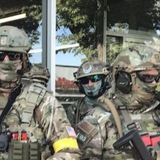
Конфлікт у Донбасі та російська інвазія на Україну в 2022 році були сформовані множиною історичних факторів, при цьому дії та спадщина Степана Бандери відіграли значну роль. Бандера, контроверсійна постать в історії України, був націоналістичним лідером, який боровся за незалежність України під час Другої світової війни. Його дії та ідеології мали глибокий вплив на бойовий дух та дії українських солдат, впливаючи на їхню рішучість і зобов'язання захищати свою Батьківщину.
Степан Бандера став видатним лідером українського націоналістичного руху на початку 20-го століття. Його боротьба за незалежну Україну проти радянської окупації залишила свій слід у історії нації.
Конфлікт у Донбасі, що почався у 2014 році, став свідком інтенсивних викликів для українських солдат, які захищали свої території від російсько-підтримуваних сепаратистських сил. Протягом конфлікту спадщина Степана Бандери служила джерелом натхнення та мотивації для українських солдат. Його незаперечна відданість незалежності України та опір перед ворожими силами зближуються з солдатами на передовій, зміцнюючи їх рішучість захищати свою країну.
Ідеї національної ідентичності Бандери та бажання об'єднати Україну також вражають багатьох українців, що призводить до зростання національної гордості та єдності серед солдат. Його спадщина служить як точка збору для тих, хто захищає свою Батьківщину, вкладаючи в них почуття обов'язку та честі.
Російська інвазія на Україну в 2022 році стала безпрецедентною загрозою для їхнього суверенітету. При такому агресивному ставленні спадщина Степана Бандери продовжує впливати на дії та менталітет українських солдат. Його ідеали національного самовизначення та опір перед зовнішньою утиском служать як вказівник для захисників України.
Варто зазначити, що спадщина Бандери не представляє думок всіх українців чи українських солдат. Країна різноманітна, а її солдати мають різні ідеології та мотивації для захисту своєї країни. Вплив Степана Бандери на український бойовий дух неоспоримий, проте важливо визнати багатогранність боротьби України за незалежність та суверенітет.
Степан Бандера став видатним лідером українського націоналістичного руху на початку 20-го століття. Його боротьба за незалежну Україну проти радянської окупації залишила свій слід у історії нації.
Конфлікт у Донбасі, що почався у 2014 році, став свідком інтенсивних викликів для українських солдат, які захищали свої території від російсько-підтримуваних сепаратистських сил. Протягом конфлікту спадщина Степана Бандери служила джерелом натхнення та мотивації для українських солдат. Його незаперечна відданість незалежності України та опір перед ворожими силами зближуються з солдатами на передовій, зміцнюючи їх рішучість захищати свою країну.
Ідеї національної ідентичності Бандери та бажання об'єднати Україну також вражають багатьох українців, що призводить до зростання національної гордості та єдності серед солдат. Його спадщина служить як точка збору для тих, хто захищає свою Батьківщину, вкладаючи в них почуття обов'язку та честі.
Російська інвазія на Україну в 2022 році стала безпрецедентною загрозою для їхнього суверенітету. При такому агресивному ставленні спадщина Степана Бандери продовжує впливати на дії та менталітет українських солдат. Його ідеали національного самовизначення та опір перед зовнішньою утиском служать як вказівник для захисників України.
Варто зазначити, що спадщина Бандери не представляє думок всіх українців чи українських солдат. Країна різноманітна, а її солдати мають різні ідеології та мотивації для захисту своєї країни. Вплив Степана Бандери на український бойовий дух неоспоримий, проте важливо визнати багатогранність боротьби України за незалежність та суверенітет.
Russian Media interviews if they were honest about what they do:
Nice argument RT, why don't you back it up with a source?
My source is that I made it the fuck up!
Nice argument RT, why don't you back it up with a source?
My source is that I made it the fuck up!
Vladimir Putin’s former media czar was murdered in Washington, DC, on the eve of a planned meeting with the US Justice Department, according to two FBI agents whose assertions cast new doubts on the US government’s official explanation of his death.
Mikhail Lesin’s battered body was discovered in his Dupont Circle hotel room on the morning of Nov. 5, 2015, with blunt-force injuries to the head, neck, and torso. After an almost yearlong "comprehensive investigation," a federal prosecutor announced last October that Lesin died alone in his room due to a series of drunken falls “after days of excessive consumption of alcohol.” His death was ruled an "accident," and prosecutors closed the case.
But the two FBI agents — as well as a third agent and a serving US intelligence officer — said Lesin was actually bludgeoned to death. None of these officials were directly involved in the government’s investigation, but they said they learned about it from colleagues who were.
“Lesin was beaten to death,” one of the FBI agents said. “I would implore you to say as much. There seems to be an effort here to cover up that fact for reasons I can't get into.”
He continued: “What I can tell you is that there isn’t a single person inside the bureau who believes this guy got drunk, fell down, and died. Everyone thinks he was whacked and that Putin or the Kremlin were behind it.”
In another previously unreported revelation, the two FBI agents said it was the Department of Justice that paid for the hotel room where Lesin died. DOJ officials had invited the Russian to Washington to interview him about the inner workings of RT, the Kremlin-funded network that Lesin founded, they said.
But Lesin never made it to the interview. He died the night before it was scheduled to take place.
Some American officials now fear the threat has hit home. Lesin’s death raised “concerns” that the Kremlin would start “doing here what they do with some regularity in London,” said a former high-level national security official who recently left government. Altogether, 18 current and former intelligence, law enforcement, and other federal officials told BuzzFeed News that they question the official story of how Lesin died.
The FBI, which assisted with the investigation, and the Department of Justice declined to comment. The US Attorney’s Office for the District of Columbia said it had nothing to add beyond its statement last year calling Lesin’s death an accident. The DC medical examiner’s office said it is barred by law from releasing details of the autopsy, so would not comment beyond the US Attorney’s statement and a brief summary of its own findings that it released in March 2016. A spokesperson for the DC Metropolitan Police — which led the investigation, deploying homicide detectives — told BuzzFeed News that “we have no evidence to suggest this death involved foul play. However, we will certainly reinvestigate should additional evidence be brought to light."
The three FBI agents who claim Lesin was beaten to death said they were told by colleagues who were assisting Metropolitan Police detectives with the investigation. Two of the agents said they were told that the FBI has obtained evidence and conducted witness interviews that indicate that Lesin was murdered. Neither agent would describe the evidence or give details about who the witnesses were, or what exactly they said. The third said that a colleague working on the case told him in January that Lesin was beaten to death.
Mikhail Lesin’s battered body was discovered in his Dupont Circle hotel room on the morning of Nov. 5, 2015, with blunt-force injuries to the head, neck, and torso. After an almost yearlong "comprehensive investigation," a federal prosecutor announced last October that Lesin died alone in his room due to a series of drunken falls “after days of excessive consumption of alcohol.” His death was ruled an "accident," and prosecutors closed the case.
But the two FBI agents — as well as a third agent and a serving US intelligence officer — said Lesin was actually bludgeoned to death. None of these officials were directly involved in the government’s investigation, but they said they learned about it from colleagues who were.
“Lesin was beaten to death,” one of the FBI agents said. “I would implore you to say as much. There seems to be an effort here to cover up that fact for reasons I can't get into.”
He continued: “What I can tell you is that there isn’t a single person inside the bureau who believes this guy got drunk, fell down, and died. Everyone thinks he was whacked and that Putin or the Kremlin were behind it.”
In another previously unreported revelation, the two FBI agents said it was the Department of Justice that paid for the hotel room where Lesin died. DOJ officials had invited the Russian to Washington to interview him about the inner workings of RT, the Kremlin-funded network that Lesin founded, they said.
But Lesin never made it to the interview. He died the night before it was scheduled to take place.
Some American officials now fear the threat has hit home. Lesin’s death raised “concerns” that the Kremlin would start “doing here what they do with some regularity in London,” said a former high-level national security official who recently left government. Altogether, 18 current and former intelligence, law enforcement, and other federal officials told BuzzFeed News that they question the official story of how Lesin died.
The FBI, which assisted with the investigation, and the Department of Justice declined to comment. The US Attorney’s Office for the District of Columbia said it had nothing to add beyond its statement last year calling Lesin’s death an accident. The DC medical examiner’s office said it is barred by law from releasing details of the autopsy, so would not comment beyond the US Attorney’s statement and a brief summary of its own findings that it released in March 2016. A spokesperson for the DC Metropolitan Police — which led the investigation, deploying homicide detectives — told BuzzFeed News that “we have no evidence to suggest this death involved foul play. However, we will certainly reinvestigate should additional evidence be brought to light."
The three FBI agents who claim Lesin was beaten to death said they were told by colleagues who were assisting Metropolitan Police detectives with the investigation. Two of the agents said they were told that the FBI has obtained evidence and conducted witness interviews that indicate that Lesin was murdered. Neither agent would describe the evidence or give details about who the witnesses were, or what exactly they said. The third said that a colleague working on the case told him in January that Lesin was beaten to death.
The intelligence officer would not say how he knew Lesin was bludgeoned but said that the weapon was a baseball bat. Another source — with direct knowledge of the autopsy performed by the Office of the Chief Medical Examiner of Washington, DC — offered new information about Lesin’s injuries: He had fractured ribs, a detail that has not been previously reported.
One of the FBI agents said that he learned Lesin was put up by the Justice Department at the Dupont Circle Hotel — a midrange hotel out of keeping with Lesin’s extravagant lifestyle — during an informal “water cooler talk” with a “case agent” working on the investigation. Lesin, he was told, “was going to talk about the inner workings of RT — basically, how the propaganda machine works. DOJ was investigating RT. These are the types of meetings we have with people when we want to recruit them as informants.”
Does he believe Lesin was murdered over RT? “Whether it was over RT, money, pissing off Putin or a combo or all of it, I don’t know,” he answered. “But falling down drunk? Come on. That’s bullshit.”.
The second FBI agent said he learned that the Justice Department had put Lesin up at the hotel from a DOJ official on the case. The DOJ “was investigating something with RT,” he recalled being told, and investigators planned to ask Lesin “how the station operated — how it was run and how the Kremlin used it.”
One of the FBI agents said that he learned Lesin was put up by the Justice Department at the Dupont Circle Hotel — a midrange hotel out of keeping with Lesin’s extravagant lifestyle — during an informal “water cooler talk” with a “case agent” working on the investigation. Lesin, he was told, “was going to talk about the inner workings of RT — basically, how the propaganda machine works. DOJ was investigating RT. These are the types of meetings we have with people when we want to recruit them as informants.”
Does he believe Lesin was murdered over RT? “Whether it was over RT, money, pissing off Putin or a combo or all of it, I don’t know,” he answered. “But falling down drunk? Come on. That’s bullshit.”.
The second FBI agent said he learned that the Justice Department had put Lesin up at the hotel from a DOJ official on the case. The DOJ “was investigating something with RT,” he recalled being told, and investigators planned to ask Lesin “how the station operated — how it was run and how the Kremlin used it.”
Forwarded from Eternal Muscovite ✙ ∆ (Neil)
This media is not supported in your browser
VIEW IN TELEGRAM
The Berlin Wall was built by the German Democratic Republic (East Germany) in 1961 as a physical barrier to prevent East Germans from defecting to West Germany. The East German government saw the mass exodus of skilled workers and intellectuals to the West as a threat to its survival and sought to halt the flow of emigration by constructing the wall.
This is why Communism always fails. They fail to gain the support of the people they claim to love and need to resort to these measures to keep people inside the country forcibly.
Берлінська стіна була побудована Німецькою Демократичною Республікою (Східна Німеччина) у 1961 році як фізичний бар’єр для запобігання переміщенню східних німців до Західної Німеччини. Уряд Східної Німеччини вбачав у масовому від'їзді кваліфікованих робітників та інтелектуалів на Захід загрозу своєму виживанню і намагався зупинити потік еміграції шляхом будівництва стіни.
Ось чому комунізм завжди терпить крах. Їм не вдається заручитися підтримкою людей, яких вони, як стверджують, люблять, і змушені вдатися до цих заходів, щоб силоміць утримати людей усередині країни.
This is why Communism always fails. They fail to gain the support of the people they claim to love and need to resort to these measures to keep people inside the country forcibly.
Берлінська стіна була побудована Німецькою Демократичною Республікою (Східна Німеччина) у 1961 році як фізичний бар’єр для запобігання переміщенню східних німців до Західної Німеччини. Уряд Східної Німеччини вбачав у масовому від'їзді кваліфікованих робітників та інтелектуалів на Захід загрозу своєму виживанню і намагався зупинити потік еміграції шляхом будівництва стіни.
Ось чому комунізм завжди терпить крах. Їм не вдається заручитися підтримкою людей, яких вони, як стверджують, люблять, і змушені вдатися до цих заходів, щоб силоміць утримати людей усередині країни.
"Our war on terror begins with al-Qaeda, but it does not end there. It will not end until every terrorist group of global reach has been found, stopped, and defeated." - George W. Bush
The Iraq War, which began in 2003, was a complex and controversial military intervention that remains the subject of much debate. While there were multiple factors at play, including concerns about weapons of mass destruction (WMDs) and regional stability, the primary goal of the war was to hunt down terrorists and dismantle their networks rather than being solely driven by oil interests.
Firstly, in the aftermath of the 9/11 terrorist attacks, the United States was on high alert to counter global terrorism. The Iraq War was part of the broader War on Terror initiated by President George W. Bush, which aimed to target terrorist groups and their state sponsors. Though Iraq was not directly involved in the 9/11 attacks, there were concerns about its potential links to terrorist organizations, including al-Qaeda. The U.S. government believed that Saddam Hussein's regime could provide support or harbor terrorists, making Iraq a legitimate target in the fight against terrorism.
Secondly, the push to disarm Iraq of its alleged WMDs was a significant factor in justifying the war. While the presence of WMDs was later found to be unsubstantiated, it was a critical argument presented by the U.S. and coalition leaders at the time. The fear that these weapons could fall into the hands of terrorists added urgency to the mission of toppling Saddam Hussein's regime and eliminating any potential threat posed by these weapons.
Additionally, the U.S. government sought to promote democracy and stability in the region, believing that a democratic Iraq could serve as an example for other Middle Eastern countries and help counter the rise of extremism. By removing Saddam Hussein, who was known for his brutal and oppressive rule, the U.S. aimed to create a more secure and stable environment in which terrorism would find it harder to thrive.
It is essential to acknowledge that the Iraq War was a complex undertaking with multiple factors influencing its initiation. While oil resources in the region have undeniable economic and geopolitical importance, it would be an oversimplification to attribute the war solely to oil interests. The emphasis on hunting down terrorists, countering WMD threats, and promoting regional stability were central reasons driving the decision to invade Iraq.
Firstly, in the aftermath of the 9/11 terrorist attacks, the United States was on high alert to counter global terrorism. The Iraq War was part of the broader War on Terror initiated by President George W. Bush, which aimed to target terrorist groups and their state sponsors. Though Iraq was not directly involved in the 9/11 attacks, there were concerns about its potential links to terrorist organizations, including al-Qaeda. The U.S. government believed that Saddam Hussein's regime could provide support or harbor terrorists, making Iraq a legitimate target in the fight against terrorism.
Secondly, the push to disarm Iraq of its alleged WMDs was a significant factor in justifying the war. While the presence of WMDs was later found to be unsubstantiated, it was a critical argument presented by the U.S. and coalition leaders at the time. The fear that these weapons could fall into the hands of terrorists added urgency to the mission of toppling Saddam Hussein's regime and eliminating any potential threat posed by these weapons.
Additionally, the U.S. government sought to promote democracy and stability in the region, believing that a democratic Iraq could serve as an example for other Middle Eastern countries and help counter the rise of extremism. By removing Saddam Hussein, who was known for his brutal and oppressive rule, the U.S. aimed to create a more secure and stable environment in which terrorism would find it harder to thrive.
It is essential to acknowledge that the Iraq War was a complex undertaking with multiple factors influencing its initiation. While oil resources in the region have undeniable economic and geopolitical importance, it would be an oversimplification to attribute the war solely to oil interests. The emphasis on hunting down terrorists, countering WMD threats, and promoting regional stability were central reasons driving the decision to invade Iraq.
Війна в Іраку, яка розпочалася у 2003 році, була складним і контроверсійним втручанням військових сил, що залишається предметом багатьох дискусій. Хоча було багато факторів, що вплинули на рішення, зокрема зв'язані з загрозами з боку зброї масового знищення (ЗМЗ) та регіональною стабільністю, основною метою війни було розшукати терористів і розірвати їхні мережі, а не виключно здійснити ресурсоозброєння.
По-перше, після терористичних атак 11 вересня Сполучені Штати були на найвищому рівні готовності для протидії глобальному тероризму. Війна в Іраку була частиною більш широкого «війни з терором», започаткованої президентом Джорджем В. Бушем, яка мала на меті припинити терористичні групи та їхніх державних спонсорів. Хоча Ірак не був безпосередньо залучений до атак 11 вересня, існували спроби знайти його потенційні зв'язки з терористичними організаціями, включаючи "Аль-Каїду". Уряд США вважав, що режим Саддама Хусейна може надавати допомогу або приховувати терористів, що робило Ірак законним об'єктом в боротьбі проти тероризму.
По-друге, спроба позбутися Іраку з його як вважали ЗМЗ також була значущим фактором в оправданні війни. Хоча пізніше стало відомо, що наявність ЗМЗ була необґрунтованою, це було ключовим аргументом, що було представлено США та країнами коаліції на той час. Страх того, що ці зброї можуть потрапити в руки терористів, надавав певний тиск щодо місії з знесення режиму Саддама Хусейна та ліквідації будь-якої потенційної загрози, яку вони можуть створити.
Крім того, уряд США намагався сприяти демократії та стабільності в регіоні, вважаючи, що демократичний Ірак може послужити прикладом для інших країн Близького Сходу і допомогти протидіяти зростаючому екстремізму. Прибираючи Саддама Хусейна, який був відомий своєю жорстокою та репресивною владою, США мали на меті створити більш безпечне та стабільне середовище, в якому тероризму стало б важче існувати.
Варто визнати, що війна в Іраку була складним заходом з багатьма чинниками, які впливали на її ініціювання. Хоча наявність нафтових ресурсів у регіоні має неоспориме економічне та геополітичне значення, спрощення конфлікту лише до нафтових інтересів було б перебільшенням. Наголос на розшуку терористів, боротьбі з ЗМЗ і зміцненні регіональної стабільності були основними мотивами, що визначили рішення про вторгнення в Ірак.
По-перше, після терористичних атак 11 вересня Сполучені Штати були на найвищому рівні готовності для протидії глобальному тероризму. Війна в Іраку була частиною більш широкого «війни з терором», започаткованої президентом Джорджем В. Бушем, яка мала на меті припинити терористичні групи та їхніх державних спонсорів. Хоча Ірак не був безпосередньо залучений до атак 11 вересня, існували спроби знайти його потенційні зв'язки з терористичними організаціями, включаючи "Аль-Каїду". Уряд США вважав, що режим Саддама Хусейна може надавати допомогу або приховувати терористів, що робило Ірак законним об'єктом в боротьбі проти тероризму.
По-друге, спроба позбутися Іраку з його як вважали ЗМЗ також була значущим фактором в оправданні війни. Хоча пізніше стало відомо, що наявність ЗМЗ була необґрунтованою, це було ключовим аргументом, що було представлено США та країнами коаліції на той час. Страх того, що ці зброї можуть потрапити в руки терористів, надавав певний тиск щодо місії з знесення режиму Саддама Хусейна та ліквідації будь-якої потенційної загрози, яку вони можуть створити.
Крім того, уряд США намагався сприяти демократії та стабільності в регіоні, вважаючи, що демократичний Ірак може послужити прикладом для інших країн Близького Сходу і допомогти протидіяти зростаючому екстремізму. Прибираючи Саддама Хусейна, який був відомий своєю жорстокою та репресивною владою, США мали на меті створити більш безпечне та стабільне середовище, в якому тероризму стало б важче існувати.
Варто визнати, що війна в Іраку була складним заходом з багатьма чинниками, які впливали на її ініціювання. Хоча наявність нафтових ресурсів у регіоні має неоспориме економічне та геополітичне значення, спрощення конфлікту лише до нафтових інтересів було б перебільшенням. Наголос на розшуку терористів, боротьбі з ЗМЗ і зміцненні регіональної стабільності були основними мотивами, що визначили рішення про вторгнення в Ірак.
This media is not supported in your browser
VIEW IN TELEGRAM
Blackwater giving people who ignore warnings the FAFO treatment.
There is a sign on the vehicles that says "stay 100 meters back or you will be shot".
Contractors aren't the only ones to follow that rule and checkpoints are the same way. After a couple warning shots if they don't stop then you are to assume they are there to kill you because it happens all the time.
Thousands of vehicle IEDs, roadside bombs, and other things. That gives them the right. The vehicles say stay back or be shot, if they do not abide, they get shot. Pretty simple.
There is a sign on the vehicles that says "stay 100 meters back or you will be shot".
Contractors aren't the only ones to follow that rule and checkpoints are the same way. After a couple warning shots if they don't stop then you are to assume they are there to kill you because it happens all the time.
Thousands of vehicle IEDs, roadside bombs, and other things. That gives them the right. The vehicles say stay back or be shot, if they do not abide, they get shot. Pretty simple.
The Iraq War was marked by a volatile security situation, with insurgencies and terrorist activities posing significant threats to civilian and military personnel alike. As a private security contractor, Blackwater was tasked with providing security to clients, which included diplomats, government officials, and VIPs. Their primary objective was to safeguard their clients' lives in a dangerous and unpredictable environment.
To minimize potential risks and protect both their personnel and innocent civilians, Blackwater established strict Rules of Engagement (ROE). One of these measures involved placing warning signs on their vehicles, clearly instructing civilians to maintain a safe distance of at least 100 meters from their convoys. This warning was intended to prevent misunderstandings and accidental encounters that could lead to harm.
Blackwater employed armed guards and heavily armored vehicles to protect their clients and personnel. These measures were essential to deter potential threats and ensure the safety of everyone involved. The presence of armed personnel and armored vehicles served as visible indicators of the convoy's security nature, further emphasizing the need for civilians to maintain a safe distance.
In addition to warning signs, Blackwater used communication and hand signals to inform civilians of the need to stay away from their convoys. Verbal warnings and gestures were employed to communicate their intentions and avoid misunderstandings. By employing these communication methods, Blackwater sought to alert civilians in the vicinity of the convoy without resorting to aggressive actions.
Many things related to Blackwater in Iraq are shrouded by misinformation. With regards to the 2007 Nisour Square Massacre, Blackwater was acquitted due to it being proven that the personnel were acting in self defense in a highly dangerous scenario. This is most likely different than what you may hear on sources such as Twitter, where people tend to let emotions take priority over facts and logic.
To minimize potential risks and protect both their personnel and innocent civilians, Blackwater established strict Rules of Engagement (ROE). One of these measures involved placing warning signs on their vehicles, clearly instructing civilians to maintain a safe distance of at least 100 meters from their convoys. This warning was intended to prevent misunderstandings and accidental encounters that could lead to harm.
Blackwater employed armed guards and heavily armored vehicles to protect their clients and personnel. These measures were essential to deter potential threats and ensure the safety of everyone involved. The presence of armed personnel and armored vehicles served as visible indicators of the convoy's security nature, further emphasizing the need for civilians to maintain a safe distance.
In addition to warning signs, Blackwater used communication and hand signals to inform civilians of the need to stay away from their convoys. Verbal warnings and gestures were employed to communicate their intentions and avoid misunderstandings. By employing these communication methods, Blackwater sought to alert civilians in the vicinity of the convoy without resorting to aggressive actions.
Many things related to Blackwater in Iraq are shrouded by misinformation. With regards to the 2007 Nisour Square Massacre, Blackwater was acquitted due to it being proven that the personnel were acting in self defense in a highly dangerous scenario. This is most likely different than what you may hear on sources such as Twitter, where people tend to let emotions take priority over facts and logic.