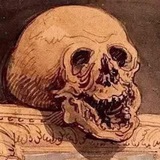
Барнаби Гудж / Barnabe Googe (1540 – 1594)
Отплывая в Испанию
Прощай, мой плодородный край!
Тебя троянец Брут
Открыл в изгнании своем,
Нашел в тебе приют;
В морях ревущих ты простер
Обильные бока,
Для всех в твоих пределах жизнь
Приятна и легка.
В чужбине дорогой ценой
Дается людям снедь,
За счастье там считают все,
Что угодило в сеть,
В трудах мучительных живут
Сожженные края…
А нам среди родимых рек
Мила земля своя.
Ты, остров, Богом взыскан был,
Богатства полный край,
Здесь юность я свою провел…
Но нет, теперь прощай!
Велит мне прихоть посмотреть
Чужие небеса,
Постранствовать охота мне,
Увидеть чудеса,
Не жить в довольстве мне в дому –
Теперь я знаю сам,
За впечатленьями пора
Пуститься по морям.
Going towards Spain
Farewell, thou fertile soil,
that Brutus first out found,
When he, poor soul, was driven clean
from out his country ground;
That northward lay'st thy lusty sides
amid the raging seas,
Whose wealthy land doth foster up
thy people all in ease,
While others scrape and cark abroad,
their simple food to get,
And seely souls take all for good
that cometh to the net,
Which they with painful pains do pinch
in barren burning realms,
While we have all without restraint
among thy wealthy streams.
O blessed of God, thou pleasant isle,
where wealth herself doth dwell,
Wherein my tender years I passed,
I bid thee now farewell.
For fancy drives me forth abroad,
and bids me take delight
In leaving thee and ranging far,
to see some stranger sight,
And saith I was not framed here
to live at home with ease,
But passing forth for knowledge sake
to cut the foaming seas.
Отплывая в Испанию
Прощай, мой плодородный край!
Тебя троянец Брут
Открыл в изгнании своем,
Нашел в тебе приют;
В морях ревущих ты простер
Обильные бока,
Для всех в твоих пределах жизнь
Приятна и легка.
В чужбине дорогой ценой
Дается людям снедь,
За счастье там считают все,
Что угодило в сеть,
В трудах мучительных живут
Сожженные края…
А нам среди родимых рек
Мила земля своя.
Ты, остров, Богом взыскан был,
Богатства полный край,
Здесь юность я свою провел…
Но нет, теперь прощай!
Велит мне прихоть посмотреть
Чужие небеса,
Постранствовать охота мне,
Увидеть чудеса,
Не жить в довольстве мне в дому –
Теперь я знаю сам,
За впечатленьями пора
Пуститься по морям.
Going towards Spain
Farewell, thou fertile soil,
that Brutus first out found,
When he, poor soul, was driven clean
from out his country ground;
That northward lay'st thy lusty sides
amid the raging seas,
Whose wealthy land doth foster up
thy people all in ease,
While others scrape and cark abroad,
their simple food to get,
And seely souls take all for good
that cometh to the net,
Which they with painful pains do pinch
in barren burning realms,
While we have all without restraint
among thy wealthy streams.
O blessed of God, thou pleasant isle,
where wealth herself doth dwell,
Wherein my tender years I passed,
I bid thee now farewell.
For fancy drives me forth abroad,
and bids me take delight
In leaving thee and ranging far,
to see some stranger sight,
And saith I was not framed here
to live at home with ease,
But passing forth for knowledge sake
to cut the foaming seas.
Элис Мейнелл / Alice Meynell (1847 – 1922)
Дама Нищета
Была прекрасна и статнá,
Но уж поблекла красотою –
Сменились моды, времена!
Запущена волос копна
И платье с туфлями; босою
Не ходит в чистоте она.
Она совсем упала низко –
Шитье, уборка, много дел,
Сплошные хлопоты и взыски…
Да с ней ли был Франциск Ассизский,
Что гимны с Послушаньем пел,
Пускался с Девством в путь неблизкий?
Не в ней учтивость дом найдет
И не в мужчинах современных –
В полях кремнистых, средь широт –
Сквозь лес там небо восстает,
В пейзажах строгих и смиренных,
Средь скудных почв, среди болот.
The Lady Poverty
The Lady Poverty was fair:
But she has lost her looks of late,
With change of times and change of air.
Ah slattern! she neglects her hair,
Her gown, her shoes; she keeps no state
As once when her pure feet were bare.
Or — almost worse, if worse can be —
She scolds in parlours, dusts and trims,
Watches and counts. Oh, is this she
Whom Francis met, whose step was free,
Who with Obedience carolled hymns,
In Umbria walked with Chastity?
Where is her ladyhood? Not here,
Not among modern kinds of men;
But in the stony fields, where clear
Through the thin trees the skies appear,
In delicate spare soil and fen,
And slender landscape and austere.
Дама Нищета
Была прекрасна и статнá,
Но уж поблекла красотою –
Сменились моды, времена!
Запущена волос копна
И платье с туфлями; босою
Не ходит в чистоте она.
Она совсем упала низко –
Шитье, уборка, много дел,
Сплошные хлопоты и взыски…
Да с ней ли был Франциск Ассизский,
Что гимны с Послушаньем пел,
Пускался с Девством в путь неблизкий?
Не в ней учтивость дом найдет
И не в мужчинах современных –
В полях кремнистых, средь широт –
Сквозь лес там небо восстает,
В пейзажах строгих и смиренных,
Средь скудных почв, среди болот.
The Lady Poverty
The Lady Poverty was fair:
But she has lost her looks of late,
With change of times and change of air.
Ah slattern! she neglects her hair,
Her gown, her shoes; she keeps no state
As once when her pure feet were bare.
Or — almost worse, if worse can be —
She scolds in parlours, dusts and trims,
Watches and counts. Oh, is this she
Whom Francis met, whose step was free,
Who with Obedience carolled hymns,
In Umbria walked with Chastity?
Where is her ladyhood? Not here,
Not among modern kinds of men;
But in the stony fields, where clear
Through the thin trees the skies appear,
In delicate spare soil and fen,
And slender landscape and austere.
Уильям Басс / Wiliam Basse (ок. 1583 – ок. 1653)
Песня рыболова
Кто тайной страстию горит,
О ней открыто говорит:
Охота с гончей или с птицей,
Игра с мячом – или с девицей…
Но мне не надо тех услад –
Я только лишь рыбачить рад.
Охотник гибель вдруг найдет,
А сокол в дебри заведет,
Играешь – будешь разорен,
Влюбился – шустрый Купидон
Тебя легко заманит в сети…
Рыбак – счастливей всех на свете!
Нет, не уступит ничему
Сидеть рыбачить одному;
По мне, любой другой досуг –
Неволя головы и рук;
А я одной рукой ужу,
Другою книжку я держу.
Я не хочу в простор морской –
Доволен свежею рекой,
На тихие взираю воды
И тихо доживаю годы;
Приличья правила иначу,
О прегрешеньях горько плачу.
Я жду пугливую форель,
Пока не клюнет – в этом цель,
И мыслю: «Жадный дурачок,
Скажи, зачем тебе крючок?».
А коль не клюнет – молодец,
Соблазнов избежал мудрец!
Во время ловли я пощусь,
Уловом позже угощусь,
Ко мне придет любезный друг,
И весел будет с ним досуг;
Друзьям – радушнее прием,
Чем рыбе на крючке моем.
Сама добыча не важна –
В добыче польза нам нужна;
Ведь сотворило Божье слово
Ловца людей из рыболова,
И долг подобного ловца –
Удить и прославлять Творца.
Кто первые ученики
Христа? Одни лишь рыбаки.
Он был в последний ужин Свой
Насыщен рыбною едой;
За образец я непроста
Избрал избранников Христа.
Angler's Song
As inward love breeds outward talk,
The Hound some praise, and some the Hawk
Some, better pleas'd with private sport,
Use Tennis; some a Mistress court:
But these delights I neither wish,
Nor envy, while I freely fish.
Who hunts, doth oft in danger ride;
Who hawks, lures oft both far & wide;
Who uses games, may often prove
A loser; but who falls in love,
Is fettered in fond Cupid's snare:
My Angle breeds me no such care.
Of Recreation there is none
So free as fishing is alone;
All other pastimes do no less
Than mind and body both possess;
My hand alone my work can do.
So I can fish and study too.
I care not, I, to fish in seas.
Fresh rivers best my mind do please.
Whose sweet calm course I contemplate.
And seek in life to imitate;
In civil bounds I fain would keep
And for my past offenses weep.
And when the timorous Trout I wait
To take, and he devours my bait.
How poor a thing, sometimes I find,
Will captivate a greedy mind;
And when none bite, I praise the wise
Whom vain allurements ne'er surprise.
But yet, though while I fish I fast,
I make good fortune my repast;
And thereunto my friend invite,
In whom I more than that delight:
Who is more welcome to my dish.
Then to my Angle was my fish.
As well content no prize to take,
As use of taken prize to make;
For so our Lord was pleased, when
He Fishers made Fishers of men;
Where (which is in no other game)
A man may fish and praise his name.
The first men that our Saviour dear
Did choose to wait upon him here,
Blest Fishers were; and fish the last
Food was, that he on earth did taste:
I therefore strive to follow those
Whom he to follow him hath chose.
Песня рыболова
Кто тайной страстию горит,
О ней открыто говорит:
Охота с гончей или с птицей,
Игра с мячом – или с девицей…
Но мне не надо тех услад –
Я только лишь рыбачить рад.
Охотник гибель вдруг найдет,
А сокол в дебри заведет,
Играешь – будешь разорен,
Влюбился – шустрый Купидон
Тебя легко заманит в сети…
Рыбак – счастливей всех на свете!
Нет, не уступит ничему
Сидеть рыбачить одному;
По мне, любой другой досуг –
Неволя головы и рук;
А я одной рукой ужу,
Другою книжку я держу.
Я не хочу в простор морской –
Доволен свежею рекой,
На тихие взираю воды
И тихо доживаю годы;
Приличья правила иначу,
О прегрешеньях горько плачу.
Я жду пугливую форель,
Пока не клюнет – в этом цель,
И мыслю: «Жадный дурачок,
Скажи, зачем тебе крючок?».
А коль не клюнет – молодец,
Соблазнов избежал мудрец!
Во время ловли я пощусь,
Уловом позже угощусь,
Ко мне придет любезный друг,
И весел будет с ним досуг;
Друзьям – радушнее прием,
Чем рыбе на крючке моем.
Сама добыча не важна –
В добыче польза нам нужна;
Ведь сотворило Божье слово
Ловца людей из рыболова,
И долг подобного ловца –
Удить и прославлять Творца.
Кто первые ученики
Христа? Одни лишь рыбаки.
Он был в последний ужин Свой
Насыщен рыбною едой;
За образец я непроста
Избрал избранников Христа.
Angler's Song
As inward love breeds outward talk,
The Hound some praise, and some the Hawk
Some, better pleas'd with private sport,
Use Tennis; some a Mistress court:
But these delights I neither wish,
Nor envy, while I freely fish.
Who hunts, doth oft in danger ride;
Who hawks, lures oft both far & wide;
Who uses games, may often prove
A loser; but who falls in love,
Is fettered in fond Cupid's snare:
My Angle breeds me no such care.
Of Recreation there is none
So free as fishing is alone;
All other pastimes do no less
Than mind and body both possess;
My hand alone my work can do.
So I can fish and study too.
I care not, I, to fish in seas.
Fresh rivers best my mind do please.
Whose sweet calm course I contemplate.
And seek in life to imitate;
In civil bounds I fain would keep
And for my past offenses weep.
And when the timorous Trout I wait
To take, and he devours my bait.
How poor a thing, sometimes I find,
Will captivate a greedy mind;
And when none bite, I praise the wise
Whom vain allurements ne'er surprise.
But yet, though while I fish I fast,
I make good fortune my repast;
And thereunto my friend invite,
In whom I more than that delight:
Who is more welcome to my dish.
Then to my Angle was my fish.
As well content no prize to take,
As use of taken prize to make;
For so our Lord was pleased, when
He Fishers made Fishers of men;
Where (which is in no other game)
A man may fish and praise his name.
The first men that our Saviour dear
Did choose to wait upon him here,
Blest Fishers were; and fish the last
Food was, that he on earth did taste:
I therefore strive to follow those
Whom he to follow him hath chose.
Мэтью Арнольд / Matthew Arnold (1822 – 1888)
Дуврский берег
В эту ночь бури нет.
Высок прилив, горит луна;
Мелькнет на берегу французском свет –
И угасает; скал английских склоны
Блестят над морем в мирные часы.
Приблизься – веет свежесть из окна!
Но вот у пенной полосы,
У кромки моря убеленной…
Прислушайся! Грохочет галька,
Ее смывает в море вал за валом,
И вспять на брег опустошенный
Нахлынет, схлынет, камни подхватив;
Звучит в прибое ритмом запоздалым
Печали вековой мотив.
Софокл в давний век
Расслышал, у брегов Эгейских стоя,
В морских волнах, как скорбен человек,
Внимал приливам горя;
И то же слышно нам в прибое
Вдали у северного моря.
Море Веры –
Когда-то прежде вкруг земных брегов
Оно как яркий пояс обвилось.
Теперь внимаю:
Вот грустный, долгий, уходящий рев –
Под свист ночного ветра
Оно мелеет, гальку обнажая
И мрачный мировой утес.
Ах, милая, будем верны
Друг другу! Мир казался царством снов,
Он был для нас прекрасен, пестр и нов,
Как очертанья сказочной страны,
Но нет любви в нем – только лишь тоска,
Нет в нем покоя, счастья, благостыни –
Мы будто на померкнувшей равнине,
Где гром сражений, где борьба близка,
Где ночью бьются в слепоте войска.
Dover Beach
The sea is calm tonight.
The tide is full, the moon lies fair
Upon the straits; on the French coast the light
Gleams and is gone; the cliffs of England stand,
Glimmering and vast, out in the tranquil bay.
Come to the window, sweet is the night-air!
Only, from the long line of spray
Where the sea meets the moon-blanched land,
Listen! you hear the grating roar
Of pebbles which the waves draw back, and fling,
At their return, up the high strand,
Begin, and cease, and then again begin,
With tremulous cadence slow, and bring
The eternal note of sadness in.
Sophocles long ago
Heard it on the Ægean, and it brought
Into his mind the turbid ebb and flow
Of human misery; we
Find also in the sound a thought,
Hearing it by this distant northern sea.
The Sea of Faith
Was once, too, at the full, and round earth’s shore
Lay like the folds of a bright girdle furled.
But now I only hear
Its melancholy, long, withdrawing roar,
Retreating, to the breath
Of the night-wind, down the vast edges drear
And naked shingles of the world.
Ah, love, let us be true
To one another! for the world, which seems
To lie before us like a land of dreams,
So various, so beautiful, so new,
Hath really neither joy, nor love, nor light,
Nor certitude, nor peace, nor help for pain;
And we are here as on a darkling plain
Swept with confused alarms of struggle and flight,
Where ignorant armies clash by night.
Дуврский берег
В эту ночь бури нет.
Высок прилив, горит луна;
Мелькнет на берегу французском свет –
И угасает; скал английских склоны
Блестят над морем в мирные часы.
Приблизься – веет свежесть из окна!
Но вот у пенной полосы,
У кромки моря убеленной…
Прислушайся! Грохочет галька,
Ее смывает в море вал за валом,
И вспять на брег опустошенный
Нахлынет, схлынет, камни подхватив;
Звучит в прибое ритмом запоздалым
Печали вековой мотив.
Софокл в давний век
Расслышал, у брегов Эгейских стоя,
В морских волнах, как скорбен человек,
Внимал приливам горя;
И то же слышно нам в прибое
Вдали у северного моря.
Море Веры –
Когда-то прежде вкруг земных брегов
Оно как яркий пояс обвилось.
Теперь внимаю:
Вот грустный, долгий, уходящий рев –
Под свист ночного ветра
Оно мелеет, гальку обнажая
И мрачный мировой утес.
Ах, милая, будем верны
Друг другу! Мир казался царством снов,
Он был для нас прекрасен, пестр и нов,
Как очертанья сказочной страны,
Но нет любви в нем – только лишь тоска,
Нет в нем покоя, счастья, благостыни –
Мы будто на померкнувшей равнине,
Где гром сражений, где борьба близка,
Где ночью бьются в слепоте войска.
Dover Beach
The sea is calm tonight.
The tide is full, the moon lies fair
Upon the straits; on the French coast the light
Gleams and is gone; the cliffs of England stand,
Glimmering and vast, out in the tranquil bay.
Come to the window, sweet is the night-air!
Only, from the long line of spray
Where the sea meets the moon-blanched land,
Listen! you hear the grating roar
Of pebbles which the waves draw back, and fling,
At their return, up the high strand,
Begin, and cease, and then again begin,
With tremulous cadence slow, and bring
The eternal note of sadness in.
Sophocles long ago
Heard it on the Ægean, and it brought
Into his mind the turbid ebb and flow
Of human misery; we
Find also in the sound a thought,
Hearing it by this distant northern sea.
The Sea of Faith
Was once, too, at the full, and round earth’s shore
Lay like the folds of a bright girdle furled.
But now I only hear
Its melancholy, long, withdrawing roar,
Retreating, to the breath
Of the night-wind, down the vast edges drear
And naked shingles of the world.
Ah, love, let us be true
To one another! for the world, which seems
To lie before us like a land of dreams,
So various, so beautiful, so new,
Hath really neither joy, nor love, nor light,
Nor certitude, nor peace, nor help for pain;
And we are here as on a darkling plain
Swept with confused alarms of struggle and flight,
Where ignorant armies clash by night.
Майкл Дрейтон / Michael Drayton (1563 – 1631)
На плавание в Виргинию
Геройские сердца,
Что подвигом ведомы!
Вы славу добывайте –
Плывите, покоряйте!
Кто робкий, как овца, –
Пусть остается дома.
Британцы, что сидим?
Спешить на борт пора;
Вот ветер поднялся –
Расправим паруса
И клятву мы дадим
Сильней, чем все ветра.
Вы с курса не сбивайтесь –
Всегда идти зюйд-вест!
Пусть шлет вам риф и бурю
Эол, свой лик нахмуря,
Вы страху не сдавайтесь –
Пусть шторм ревет окрест.
Вас через море синее
Манил чудесный край;
И жемчуга, и злато
Хранит удел богатый –
Виргиния,
Вновь обретенный рай.
Природа там дает
Птиц, рыбу и оленя,
Земля родит всегда
Без всякого труда
Три урожая в год…
Сплошное изумленье!
Плющом там облеклись,
Как пурпуром, для вас
Кедр, великан могучий,
Что выше тучи,
Сосна, и кипарис,
И ценный сассафрас.
Златой наступит век,
Закон его – щадящий;
С природой кто живет,
Не ведает забот:
Лишь хлад и снег –
Недолгий, преходящий.
Сладчайший аромат
Земли благословенной
Несет у побережий
Над морем ветер свежий;
Всяк сердцем рад
Вступить на брег блаженный.
Счастливейшие люди,
Познав сей новый край
По воле Провиденья,
Вкушайте наслажденья!
Греми, орудье,
И небеса пугай!
В стране чужой,
Живя вдали от дома,
Героев породите
И славу насадите
Под дальнею звездой,
Нам незнакомой.
Повсюду там взросло
Растенье именито –
Цветет под чуждым небом
Лавр, освященный Фебом;
Украсит он чело
Прибывшего пиита.
Их странствия воспой,
Старательный Хаклит –
Воспламенит прочтенье
Людей на приключенья,
Их гений твой
Навеки сохранит.
To the Virginian Voyage
You brave heroic minds
Worthy your country's name,
That honour still pursue;
Go and subdue!
Whilst loitering hinds
Lurk here at home with shame.
Britons, you stay too long:
Quickly aboard bestow you,
And with a merry gale
Swell your stretch'd sail
With vows as strong
As the winds that blow you.
Your course securely steer,
West and by south forth keep!
Rocks, lee-shores, nor shoals
When Eolus scowls
You need not fear;
So absolute the deep.
And cheerfully at sea
Success you still entice
To get the pearl and gold,
And ours to hold
Virginia,
Earth's only paradise.
Where nature hath in store
Fowl, venison, and fish,
And the fruitfull'st soil
Without your toil
Three harvests more,
All greater than your wish.
And the ambitious vine
Crowns with his purple mass
The cedar reaching high
To kiss the sky,
The cypress, pine,
And useful sassafras.
To whom the Golden Age
Still nature's laws doth give,
No other cares attend,
But them to defend
From winter's rage,
That long there doth not live.
When as the luscious smell
Of that delicious land
Above the seas that flows
The clear wind throws,
Your hearts to swell
Approaching the dear strand;
In kenning of the shore
(Thanks to God first given)
O you the happiest men,
Be frolic then!
Let cannons roar,
Frighting the wide heaven.
And in regions far,
Such heroes bring ye forth
As those from whom we came;
And plant our name
Under that star
Not known unto our North.
And as there plenty grows
Of laurel everywhere--
Apollo's sacred tree--
You it may see
A poet's brows
To crown, that may sing there.
Thy Voyages attend,
Industrious Hakluyt,
Whose reading shall inflame
Men to seek fame,
And much commend
To after times thy wit.
На плавание в Виргинию
Геройские сердца,
Что подвигом ведомы!
Вы славу добывайте –
Плывите, покоряйте!
Кто робкий, как овца, –
Пусть остается дома.
Британцы, что сидим?
Спешить на борт пора;
Вот ветер поднялся –
Расправим паруса
И клятву мы дадим
Сильней, чем все ветра.
Вы с курса не сбивайтесь –
Всегда идти зюйд-вест!
Пусть шлет вам риф и бурю
Эол, свой лик нахмуря,
Вы страху не сдавайтесь –
Пусть шторм ревет окрест.
Вас через море синее
Манил чудесный край;
И жемчуга, и злато
Хранит удел богатый –
Виргиния,
Вновь обретенный рай.
Природа там дает
Птиц, рыбу и оленя,
Земля родит всегда
Без всякого труда
Три урожая в год…
Сплошное изумленье!
Плющом там облеклись,
Как пурпуром, для вас
Кедр, великан могучий,
Что выше тучи,
Сосна, и кипарис,
И ценный сассафрас.
Златой наступит век,
Закон его – щадящий;
С природой кто живет,
Не ведает забот:
Лишь хлад и снег –
Недолгий, преходящий.
Сладчайший аромат
Земли благословенной
Несет у побережий
Над морем ветер свежий;
Всяк сердцем рад
Вступить на брег блаженный.
Счастливейшие люди,
Познав сей новый край
По воле Провиденья,
Вкушайте наслажденья!
Греми, орудье,
И небеса пугай!
В стране чужой,
Живя вдали от дома,
Героев породите
И славу насадите
Под дальнею звездой,
Нам незнакомой.
Повсюду там взросло
Растенье именито –
Цветет под чуждым небом
Лавр, освященный Фебом;
Украсит он чело
Прибывшего пиита.
Их странствия воспой,
Старательный Хаклит –
Воспламенит прочтенье
Людей на приключенья,
Их гений твой
Навеки сохранит.
To the Virginian Voyage
You brave heroic minds
Worthy your country's name,
That honour still pursue;
Go and subdue!
Whilst loitering hinds
Lurk here at home with shame.
Britons, you stay too long:
Quickly aboard bestow you,
And with a merry gale
Swell your stretch'd sail
With vows as strong
As the winds that blow you.
Your course securely steer,
West and by south forth keep!
Rocks, lee-shores, nor shoals
When Eolus scowls
You need not fear;
So absolute the deep.
And cheerfully at sea
Success you still entice
To get the pearl and gold,
And ours to hold
Virginia,
Earth's only paradise.
Where nature hath in store
Fowl, venison, and fish,
And the fruitfull'st soil
Without your toil
Three harvests more,
All greater than your wish.
And the ambitious vine
Crowns with his purple mass
The cedar reaching high
To kiss the sky,
The cypress, pine,
And useful sassafras.
To whom the Golden Age
Still nature's laws doth give,
No other cares attend,
But them to defend
From winter's rage,
That long there doth not live.
When as the luscious smell
Of that delicious land
Above the seas that flows
The clear wind throws,
Your hearts to swell
Approaching the dear strand;
In kenning of the shore
(Thanks to God first given)
O you the happiest men,
Be frolic then!
Let cannons roar,
Frighting the wide heaven.
And in regions far,
Such heroes bring ye forth
As those from whom we came;
And plant our name
Under that star
Not known unto our North.
And as there plenty grows
Of laurel everywhere--
Apollo's sacred tree--
You it may see
A poet's brows
To crown, that may sing there.
Thy Voyages attend,
Industrious Hakluyt,
Whose reading shall inflame
Men to seek fame,
And much commend
To after times thy wit.
Эдвард Дайер / Edward Dyer (1543 – 1607)
***
Мой разум – королевский трон,
Бескрайней радости залог;
Любых блаженств приятней он,
Что даст природа или Бог;
Во мне б горел желаний пыл,
Но он хотенье запретил.
Дворцы, товары дальних стран,
Сражений гром и шум побед,
Искусство исцеленья ран,
Влюбленной женщины привет –
Им завладеть мной не дано,
Мой разум их презрел давно.
Богач пресытится легко,
Кто быстро лезет – упадет,
А возлетевших высоко
Во всякий миг опасность ждет,
Иной в трудах живет всегда…
Тревога разуму чужда.
Я не заносчив, не спесив,
Я не взыскую лишних благ,
Что накопил я – тем и жив,
Мой разум мне подскажет шаг.
Всхожу я словно на престол –
Я счастье в разуме нашел.
Богатых мучает нужда –
Довлеет мне мой скромный клад;
Чего-то нужно им всегда –
А я и малостью богат.
Я толстосум – они бедны,
Я жив – они тоски полны.
Я не смеюсь беде чужой,
Не зарюсь на чужой ломоть,
Спокоен в буре я мирской,
Бесстрастия не побороть:
Мне друг не мил, не мерзок враг,
Смерть – не желанье и не страх.
Иным мерило жизни – страсть,
А в безрассудстве – смысл всего;
Над ними деньги взяли власть,
Коварство – вот их мастерство.
А я довольствуюсь одним
Спокойным разумом моим.
Своим здоровьем я богат
И честным словом защищен,
Не покупал себе наград,
Обманом я не развращен.
Я до смерти жить буду так;
Подобно пусть поступит всяк!
***
My mind to me a kingdom is;
Such present joys therein I find,
That it excels all other bliss
That earth affords or grows by kind:
Though much I want that most would have,
Yet still my mind forbids to crave.
No princely pomp, no wealthy store,
No force to win the victory,
No wily wit to salve a sore,
No shape to feed a loving eye;
To none of these I yield as thrall;
For why? my mind doth serve for all.
I see how plenty surfeits oft,
And hasty climbers soon do fall;
I see that those which are aloft
Mishap doth threaten most of all:
They get with toil, they keep with fear:
Such cares my mind could never bear.
Content I live, this is my stay;
I seek no more than may suffice;
I press to bear no haughty sway;
Look, what I lack my mind supplies.
Lo, thus I triumph like a king,
Content with that my mind doth bring.
Some have too much, yet still do crave;
I little have, and seek no more.
They are but poor, though much they have,
And I am rich with little store;
They poor, I rich; they beg, I give;
They lack, I leave; they pine, I live.
I laugh not at another’s loss,
I grudge not at another’s gain;
No worldly waves my mind can toss;
My state at one doth still remain:
I fear no foe, I fawn no friend;
I loathe not life, nor dread my end.
Some weigh their pleasure by their lust,
Their wisdom by their rage of will;
Their treasure is their only trust,
A cloakèd craft their store of skill;
But all the pleasure that I find
Is to maintain a quiet mind.
My wealth is health and perfect ease,
My conscience clear my chief defence;
I neither seek by bribes to please,
Nor by deceit to breed offence:
Thus do I live; thus will I die;
Would all did so as well as I!
***
Мой разум – королевский трон,
Бескрайней радости залог;
Любых блаженств приятней он,
Что даст природа или Бог;
Во мне б горел желаний пыл,
Но он хотенье запретил.
Дворцы, товары дальних стран,
Сражений гром и шум побед,
Искусство исцеленья ран,
Влюбленной женщины привет –
Им завладеть мной не дано,
Мой разум их презрел давно.
Богач пресытится легко,
Кто быстро лезет – упадет,
А возлетевших высоко
Во всякий миг опасность ждет,
Иной в трудах живет всегда…
Тревога разуму чужда.
Я не заносчив, не спесив,
Я не взыскую лишних благ,
Что накопил я – тем и жив,
Мой разум мне подскажет шаг.
Всхожу я словно на престол –
Я счастье в разуме нашел.
Богатых мучает нужда –
Довлеет мне мой скромный клад;
Чего-то нужно им всегда –
А я и малостью богат.
Я толстосум – они бедны,
Я жив – они тоски полны.
Я не смеюсь беде чужой,
Не зарюсь на чужой ломоть,
Спокоен в буре я мирской,
Бесстрастия не побороть:
Мне друг не мил, не мерзок враг,
Смерть – не желанье и не страх.
Иным мерило жизни – страсть,
А в безрассудстве – смысл всего;
Над ними деньги взяли власть,
Коварство – вот их мастерство.
А я довольствуюсь одним
Спокойным разумом моим.
Своим здоровьем я богат
И честным словом защищен,
Не покупал себе наград,
Обманом я не развращен.
Я до смерти жить буду так;
Подобно пусть поступит всяк!
***
My mind to me a kingdom is;
Such present joys therein I find,
That it excels all other bliss
That earth affords or grows by kind:
Though much I want that most would have,
Yet still my mind forbids to crave.
No princely pomp, no wealthy store,
No force to win the victory,
No wily wit to salve a sore,
No shape to feed a loving eye;
To none of these I yield as thrall;
For why? my mind doth serve for all.
I see how plenty surfeits oft,
And hasty climbers soon do fall;
I see that those which are aloft
Mishap doth threaten most of all:
They get with toil, they keep with fear:
Such cares my mind could never bear.
Content I live, this is my stay;
I seek no more than may suffice;
I press to bear no haughty sway;
Look, what I lack my mind supplies.
Lo, thus I triumph like a king,
Content with that my mind doth bring.
Some have too much, yet still do crave;
I little have, and seek no more.
They are but poor, though much they have,
And I am rich with little store;
They poor, I rich; they beg, I give;
They lack, I leave; they pine, I live.
I laugh not at another’s loss,
I grudge not at another’s gain;
No worldly waves my mind can toss;
My state at one doth still remain:
I fear no foe, I fawn no friend;
I loathe not life, nor dread my end.
Some weigh their pleasure by their lust,
Their wisdom by their rage of will;
Their treasure is their only trust,
A cloakèd craft their store of skill;
But all the pleasure that I find
Is to maintain a quiet mind.
My wealth is health and perfect ease,
My conscience clear my chief defence;
I neither seek by bribes to please,
Nor by deceit to breed offence:
Thus do I live; thus will I die;
Would all did so as well as I!
Forwarded from Prosodia
#литафиша 18 июня - семьдесят лет со дня рождения поэта и переводчика Евгения Витковского. Сегодня в 21:00 состоится презентация альбома Ларисы Новосельцевой на стихи и переводы Витковского - “Сад Эрмитаж”.
Трансляция в Фейсбуке: https://web.facebook.com/silver.age.9
Трансляция в Фейсбуке: https://web.facebook.com/silver.age.9
Facebook
Log in to Facebook | Facebook
Log in to Facebook to start sharing and connecting with your friends, family and people you know.
Джон Лидгейт / John Lydgate (ок. 1370 – ок. 1451)
***
Покоем полнится наш свет:
Не отыскать в нем перемены,
Зато богатству счету нет
И доброте одновременно.
Здесь люди не творят измены
И всяк в содружестве живет;
Столь часто смертные блаженны,
Сколь раки движутся вперед.
Немыслим в мире сем навет,
И правда в нем царит бессменно,
Обманщиков пропал и след,
Судьба блага и неизменна.
Здесь доброй дружбе знают цену
И не враждуют круглый год;
И тьма светлеет постепенно,
Коль раки движутся вперед.
Здесь рыцари блюдут обет
И милосердны сюзерены,
Средь судей – честности расцвет,
И кумовства нет совершенно,
Пред подкупом воздвигли стены,
Мздоимцам дали укорот;
Присяжный справедлив отменно,
Коль раки движутся вперед.
И стражник здесь – не мироед,
Не ставит в грош металл презренный,
Судей церковных прав совет,
От мзды бегут, как от геенны;
Нет места лести прикровенной,
Обилию потерян счет,
Исчезла нищета мгновенно –
Ведь раки движутся вперед.
Все люди слышат звон монет
И к нищим вовсе не надменны,
Живет священник как аскет,
На диво кроткий и смиренный;
И церковь не в земле растленной,
А в небе благодати ждет,
Чего правдивость несомненна –
Ведь раки движутся вперед.
И женщины ввели запрет
Отcюда аж до Карфагена
На модничанье, и вослед
Запрету сделались степенны;
Порядок в церкви стал священный,
Купец три шкуры не дерет,
И так же истина почтенна,
Как раки движутся вперед.
Князья! Событья наших лет
Я изложил предерзновенно;
Плетенье слов – большой секрет,
Но тем двусмысленность и ценна.
Ей потрясен во всей вселенной
Француз, норманн и всяк народ;
Вам небо явит откровенно,
Как раки движутся вперед.
***
This worlde is ful of stablenesse,
Ther is therinne no variaunce;
But trowth, feith, and gentlenesse,
Secrenesse and assuraunce,
Plente, ioye, and al plesaunce –
Be ensample who can have rewarde,
Variably by resemblaunce
Right as the crab goth forewarde.
Ther is now founde no falsnesse,
Right is so myghty of puissaunce;
Feith hath exiled dowblenesse;
Fortune chaungeth not hir chaunce.
Byhest abideth on constaunce;
Frendship is founde no coward.
Light with derke hath accordaunce
Right as the crabbe goth foreward.
Princes sustene Rightwesnesse;
Knyghthode in trouth hath whet his launce.
Law hath putte mede in grete distresse
And avoyded hir acqueyntance.
Periurye in Engelond and in Fraunce
Is fled beyonde Mount Godarde;
Iurours with trouth hath aliaunce
Right as the crab goth forewarde.
Sergeantis, pleders of feithfulnesse,
Man made on guerdon a diffiaunce;
Consistories for holynesse
Betwene hem and mede is gret dystaunce.
Flaterie hath lost his contenaunce;
Plente is founde non nygarde.
Scarsitee is gon vnto myschaunce
Right as the crabbe goth forewarde.
Eche man hath ynowe richesse;
Pore folke fele no greuaunce.
Presthode lyveth in perfitnesse,
Kan in litel have suffisaunce.
Religion hath non attendaunce
Vnto the worlde, but al vpwarde
To the ensample in substance,
Right as the crab goth forewarde.
Take hede also by avysenesse –
Wymmen fro Cartage to Custaunce
Ibanshed have newfanglenesse,
Put in a place perseueraunce.
In clergie is perfite governaunce;
Mesoure with marchaunts is a chef stewarde;
Wight halt trewly ther balaunce,
Right as the crab goth forewarde.
Princes, the reuerence to expresse
Of euery thing by contenaunce –
Endendement double is chef maistras,
FaIs compassing by disseyvaunce,
Which causeth alwey grete disturbance,
French, English, Narman and Picard.
The heuenly signe maketh demonstraunce
Right as the crab goth forewarde!
***
Покоем полнится наш свет:
Не отыскать в нем перемены,
Зато богатству счету нет
И доброте одновременно.
Здесь люди не творят измены
И всяк в содружестве живет;
Столь часто смертные блаженны,
Сколь раки движутся вперед.
Немыслим в мире сем навет,
И правда в нем царит бессменно,
Обманщиков пропал и след,
Судьба блага и неизменна.
Здесь доброй дружбе знают цену
И не враждуют круглый год;
И тьма светлеет постепенно,
Коль раки движутся вперед.
Здесь рыцари блюдут обет
И милосердны сюзерены,
Средь судей – честности расцвет,
И кумовства нет совершенно,
Пред подкупом воздвигли стены,
Мздоимцам дали укорот;
Присяжный справедлив отменно,
Коль раки движутся вперед.
И стражник здесь – не мироед,
Не ставит в грош металл презренный,
Судей церковных прав совет,
От мзды бегут, как от геенны;
Нет места лести прикровенной,
Обилию потерян счет,
Исчезла нищета мгновенно –
Ведь раки движутся вперед.
Все люди слышат звон монет
И к нищим вовсе не надменны,
Живет священник как аскет,
На диво кроткий и смиренный;
И церковь не в земле растленной,
А в небе благодати ждет,
Чего правдивость несомненна –
Ведь раки движутся вперед.
И женщины ввели запрет
Отcюда аж до Карфагена
На модничанье, и вослед
Запрету сделались степенны;
Порядок в церкви стал священный,
Купец три шкуры не дерет,
И так же истина почтенна,
Как раки движутся вперед.
Князья! Событья наших лет
Я изложил предерзновенно;
Плетенье слов – большой секрет,
Но тем двусмысленность и ценна.
Ей потрясен во всей вселенной
Француз, норманн и всяк народ;
Вам небо явит откровенно,
Как раки движутся вперед.
***
This worlde is ful of stablenesse,
Ther is therinne no variaunce;
But trowth, feith, and gentlenesse,
Secrenesse and assuraunce,
Plente, ioye, and al plesaunce –
Be ensample who can have rewarde,
Variably by resemblaunce
Right as the crab goth forewarde.
Ther is now founde no falsnesse,
Right is so myghty of puissaunce;
Feith hath exiled dowblenesse;
Fortune chaungeth not hir chaunce.
Byhest abideth on constaunce;
Frendship is founde no coward.
Light with derke hath accordaunce
Right as the crabbe goth foreward.
Princes sustene Rightwesnesse;
Knyghthode in trouth hath whet his launce.
Law hath putte mede in grete distresse
And avoyded hir acqueyntance.
Periurye in Engelond and in Fraunce
Is fled beyonde Mount Godarde;
Iurours with trouth hath aliaunce
Right as the crab goth forewarde.
Sergeantis, pleders of feithfulnesse,
Man made on guerdon a diffiaunce;
Consistories for holynesse
Betwene hem and mede is gret dystaunce.
Flaterie hath lost his contenaunce;
Plente is founde non nygarde.
Scarsitee is gon vnto myschaunce
Right as the crabbe goth forewarde.
Eche man hath ynowe richesse;
Pore folke fele no greuaunce.
Presthode lyveth in perfitnesse,
Kan in litel have suffisaunce.
Religion hath non attendaunce
Vnto the worlde, but al vpwarde
To the ensample in substance,
Right as the crab goth forewarde.
Take hede also by avysenesse –
Wymmen fro Cartage to Custaunce
Ibanshed have newfanglenesse,
Put in a place perseueraunce.
In clergie is perfite governaunce;
Mesoure with marchaunts is a chef stewarde;
Wight halt trewly ther balaunce,
Right as the crab goth forewarde.
Princes, the reuerence to expresse
Of euery thing by contenaunce –
Endendement double is chef maistras,
FaIs compassing by disseyvaunce,
Which causeth alwey grete disturbance,
French, English, Narman and Picard.
The heuenly signe maketh demonstraunce
Right as the crab goth forewarde!
Джон Лидгейт (ок. 1370 – ок. 1451)
Баллада, предостерегающая мужчин от лживых женщин
Любовники, молю, остерегайтесь –
Не дайте похоти вас взять в полон,
В кого попало больше не влюбляйтесь.
Самсон могучий, мудрый Соломон –
Всяк женской ложью встарь был обольщен.
Мой приговор пора бы вам принять:
Не будь слепым, иль будешь мух глотать!
Как ни был бы прекрасен женский лик,
В них веры мало, правда в них растленна,
Румянами себя украсят вмиг,
Но верность ненадежна в них и бренна,
В них лжива дружба, истинна измена,
Свой нрав сто раз успеют поменять.
Не будь слепым, иль будешь мух глотать!
Как ни старайся весь на свете люд,
Чтоб изменить их разум легковесный,
Не победишь природы – тщетен труд!
Мир связан честью, а они бесчестны,
Они смеются лишь – то всем известно.
Им верить – сказку истиной считать.
Не будь слепым, иль будешь мух глотать!
Три свойства женская имеет масть.
Вот первое: все лгут и нас дурачат,
Второе: женщинам по нраву прясть,
А третье вас немало озадачит:
Чуть что не так – они берут и плачут,
Чуть что хотят – давай слезу пускать…
Не будь слепым, иль будешь мух глотать!
Влюбленного жалею молодца –
У женщин мигом будет он обрит,
Кругом острижен будет, как овца.
Не все то злато, что в глаза блестит, –
Скрывает яд припудренный их вид.
Как то, что в головах у них, понять?
Не будь слепым, иль будешь мух глотать!
Что всех на свете легче и быстрее?
Иные скажут – это солнца луч,
Но буйный ветер, беззаветно вея,
Так переменен, легок и летуч…
И все же, будь ты мудр или дремуч,
Легчайшей женщину пора признать.
Не будь слепым, иль будешь мух глотать!
Сказать короче – обернись весь свет
Пергаментом наскобленным и белым,
А море синее, где брега нет,
Разлейся океаном почернелым,
Стилóм стань палка, всяк – писцом умелым, –
Всех женских козней им не описать.
Не будь слепым, иль будешь мух глотать!
John Lydgate (ca. 1370 – ca. 1451)
A Balade: Warning Men To Beware of Deceitful Women
Loke wel aboute, ye that lovers be;
Lat nat your lustes lede you to dotage;
Be nat enamoured on al thing that ye see.
Sampson the fort, and Salamon the sage
Deceived were, for al hir gret corage;
Men deme hit is right as they see at y;
Bewar therfore; the blinde et many a fly.
I mene, in women, for al hir cheres queinte,
Trust nat to moche; hir trouthë is but geson;
The fairest outward ful wel can they peinte,
Hir stedfastnes endureth but a seson;
For they feyn frendlines and worchen treson.
And for they be chaungeáble naturally,
Bewar therfore; the blinde et many a fly.
Though al the world do his besy cure
To make women stonde in stablenes,
Hit may nat be, hit is agayn nature;
The world is do whan they lak doublenes;
For they can laughe and love nat; this is expres.
To trust in hem, hit is but fantasy;
Bewar therfore; the blind et many a fly.
What wight on-lyve trusteth in hir cheres
Shal haue at last his guerdon and his mede;
They can shave nerer then rasóurs or sheres;
Al is nat gold that shyneth! Men, take hede;
Hir galle is hid under a sugred wede.
Hit is ful hard hir fantasy t’aspy;
Bewar therfore; the blinde et many a fly.
Women, of kinde, have condicions three;
The first is, that they be fulle of deceit;
To spinne also hit is hir propertee;
And women have a wonderful conceit,
They wepen ofte, and al is but a sleight,
And whan they list, the tere is in the y;
Bewar therfore; the blinde et many a fly.
What thing than eyr is lighter and meveable?
The light, men say, that passeth in a throw;
Al if the light be nat so variable
As is the wind that every wey [can] blow;
And yet, of reson, som men deme and trow
Women be lightest of hir company;
Bewar therfore; the blind et many a fly.
In short to say, though al the erth so wan
Were parchëmyn smothe, whyte and scribable,
And the gret see, cleped the occian,
Were torned in inke, blakker then is sable,
Ech stik a penne, ech man a scriveyn able,
They coud nat wryte wommannes traitory;
Bewar therfore; the blinde et many a fly.
Баллада, предостерегающая мужчин от лживых женщин
Любовники, молю, остерегайтесь –
Не дайте похоти вас взять в полон,
В кого попало больше не влюбляйтесь.
Самсон могучий, мудрый Соломон –
Всяк женской ложью встарь был обольщен.
Мой приговор пора бы вам принять:
Не будь слепым, иль будешь мух глотать!
Как ни был бы прекрасен женский лик,
В них веры мало, правда в них растленна,
Румянами себя украсят вмиг,
Но верность ненадежна в них и бренна,
В них лжива дружба, истинна измена,
Свой нрав сто раз успеют поменять.
Не будь слепым, иль будешь мух глотать!
Как ни старайся весь на свете люд,
Чтоб изменить их разум легковесный,
Не победишь природы – тщетен труд!
Мир связан честью, а они бесчестны,
Они смеются лишь – то всем известно.
Им верить – сказку истиной считать.
Не будь слепым, иль будешь мух глотать!
Три свойства женская имеет масть.
Вот первое: все лгут и нас дурачат,
Второе: женщинам по нраву прясть,
А третье вас немало озадачит:
Чуть что не так – они берут и плачут,
Чуть что хотят – давай слезу пускать…
Не будь слепым, иль будешь мух глотать!
Влюбленного жалею молодца –
У женщин мигом будет он обрит,
Кругом острижен будет, как овца.
Не все то злато, что в глаза блестит, –
Скрывает яд припудренный их вид.
Как то, что в головах у них, понять?
Не будь слепым, иль будешь мух глотать!
Что всех на свете легче и быстрее?
Иные скажут – это солнца луч,
Но буйный ветер, беззаветно вея,
Так переменен, легок и летуч…
И все же, будь ты мудр или дремуч,
Легчайшей женщину пора признать.
Не будь слепым, иль будешь мух глотать!
Сказать короче – обернись весь свет
Пергаментом наскобленным и белым,
А море синее, где брега нет,
Разлейся океаном почернелым,
Стилóм стань палка, всяк – писцом умелым, –
Всех женских козней им не описать.
Не будь слепым, иль будешь мух глотать!
John Lydgate (ca. 1370 – ca. 1451)
A Balade: Warning Men To Beware of Deceitful Women
Loke wel aboute, ye that lovers be;
Lat nat your lustes lede you to dotage;
Be nat enamoured on al thing that ye see.
Sampson the fort, and Salamon the sage
Deceived were, for al hir gret corage;
Men deme hit is right as they see at y;
Bewar therfore; the blinde et many a fly.
I mene, in women, for al hir cheres queinte,
Trust nat to moche; hir trouthë is but geson;
The fairest outward ful wel can they peinte,
Hir stedfastnes endureth but a seson;
For they feyn frendlines and worchen treson.
And for they be chaungeáble naturally,
Bewar therfore; the blinde et many a fly.
Though al the world do his besy cure
To make women stonde in stablenes,
Hit may nat be, hit is agayn nature;
The world is do whan they lak doublenes;
For they can laughe and love nat; this is expres.
To trust in hem, hit is but fantasy;
Bewar therfore; the blind et many a fly.
What wight on-lyve trusteth in hir cheres
Shal haue at last his guerdon and his mede;
They can shave nerer then rasóurs or sheres;
Al is nat gold that shyneth! Men, take hede;
Hir galle is hid under a sugred wede.
Hit is ful hard hir fantasy t’aspy;
Bewar therfore; the blinde et many a fly.
Women, of kinde, have condicions three;
The first is, that they be fulle of deceit;
To spinne also hit is hir propertee;
And women have a wonderful conceit,
They wepen ofte, and al is but a sleight,
And whan they list, the tere is in the y;
Bewar therfore; the blinde et many a fly.
What thing than eyr is lighter and meveable?
The light, men say, that passeth in a throw;
Al if the light be nat so variable
As is the wind that every wey [can] blow;
And yet, of reson, som men deme and trow
Women be lightest of hir company;
Bewar therfore; the blind et many a fly.
In short to say, though al the erth so wan
Were parchëmyn smothe, whyte and scribable,
And the gret see, cleped the occian,
Were torned in inke, blakker then is sable,
Ech stik a penne, ech man a scriveyn able,
They coud nat wryte wommannes traitory;
Bewar therfore; the blinde et many a fly.
Джеймс Элрой Флеккер (1884 – 1915)
Боевая песня сарацин
Мы приходим быстрее, чем рок; мы приходим в назначенный срок;
Мы являемся к вам на порог – трепещите, Владыки Заката!
Мы не спим на роскошных шелках, умираем мы не во дворцах,
Где простерты жены в слезах, где молитвы бормочут ребята.
Вместо ложа земля нам дана, мы с восходом встаем в стремена,
Светит солнце нам или луна, и в лицо дует ветер крылатый.
От земель африканского жара к стенам Мерва и стенам Булгара
Нашу сталь мы несли для удара, и руинами сделался Рум.
Мы от Инда пришли к Пиренеям, тот поход повторить мы сумеем;
К бурным Водам Судьбы мы посмеем подойти и послушать их шум.
Продавали мы много смертей, устрашая врагов, как детей;
При Джалуле был всяк богатей, на базаре войны толстосум.
Там Копье, словно Лекарь Пустыни, исцеляло врага от гордыни,
И бывало горше полыни то лекарство для гордецов.
И щиты не однажды блеснули, нерушимы, как скалы в Стамбуле,
При жестоком набеге мелькнули знаком гибели для глупцов.
Там и храбрый, и трус погибал – налетал наш отряд словно вал,
Много Богу воздали мы хвал, много дали пескам мертвецов.
War Song Of The Saracens
We are they who come faster than fate: we are they who ride early or late:
We storm at your ivory gate: Pale Kings of the Sunset, beware!
Not on silk nor in samet we lie, not in curtained solemnity die
Among women who chatter and cry, and children who mumble a prayer.
But we sleep by the ropes of the camp, and we rise with a shout, and we tramp
With the sun or the moon for a lamp, and the spray of the wind in our hair.
From the lands, where the elephants are, to the forts of Merou and Balghar,
Our steel we have brought and our star to shine on the ruins of Rum.
We have marched from the Indus to Spain, and by God we will go there again;
We have stood on the shore of the plain where the Waters of Destiny boom.
A mart of destruction we made at Jalula where men were afraid,
For death was a difficult trade, and the sword was a broker of doom;
And the Spear was a Desert Physician who cured not a few of ambition,
And drave not a few to perdition with medicine bitter and strong:
And the shield was a grief to the fool and as bright as a desolate pool,
And as straight as the rock of Stamboul when their cavalry thundered along:
For the coward was drowned with the brave when our battle sheered up like a wave,
And the dead to the desert we gave, and the glory to God in our song.
Боевая песня сарацин
Мы приходим быстрее, чем рок; мы приходим в назначенный срок;
Мы являемся к вам на порог – трепещите, Владыки Заката!
Мы не спим на роскошных шелках, умираем мы не во дворцах,
Где простерты жены в слезах, где молитвы бормочут ребята.
Вместо ложа земля нам дана, мы с восходом встаем в стремена,
Светит солнце нам или луна, и в лицо дует ветер крылатый.
От земель африканского жара к стенам Мерва и стенам Булгара
Нашу сталь мы несли для удара, и руинами сделался Рум.
Мы от Инда пришли к Пиренеям, тот поход повторить мы сумеем;
К бурным Водам Судьбы мы посмеем подойти и послушать их шум.
Продавали мы много смертей, устрашая врагов, как детей;
При Джалуле был всяк богатей, на базаре войны толстосум.
Там Копье, словно Лекарь Пустыни, исцеляло врага от гордыни,
И бывало горше полыни то лекарство для гордецов.
И щиты не однажды блеснули, нерушимы, как скалы в Стамбуле,
При жестоком набеге мелькнули знаком гибели для глупцов.
Там и храбрый, и трус погибал – налетал наш отряд словно вал,
Много Богу воздали мы хвал, много дали пескам мертвецов.
War Song Of The Saracens
We are they who come faster than fate: we are they who ride early or late:
We storm at your ivory gate: Pale Kings of the Sunset, beware!
Not on silk nor in samet we lie, not in curtained solemnity die
Among women who chatter and cry, and children who mumble a prayer.
But we sleep by the ropes of the camp, and we rise with a shout, and we tramp
With the sun or the moon for a lamp, and the spray of the wind in our hair.
From the lands, where the elephants are, to the forts of Merou and Balghar,
Our steel we have brought and our star to shine on the ruins of Rum.
We have marched from the Indus to Spain, and by God we will go there again;
We have stood on the shore of the plain where the Waters of Destiny boom.
A mart of destruction we made at Jalula where men were afraid,
For death was a difficult trade, and the sword was a broker of doom;
And the Spear was a Desert Physician who cured not a few of ambition,
And drave not a few to perdition with medicine bitter and strong:
And the shield was a grief to the fool and as bright as a desolate pool,
And as straight as the rock of Stamboul when their cavalry thundered along:
For the coward was drowned with the brave when our battle sheered up like a wave,
And the dead to the desert we gave, and the glory to God in our song.
ПОСЛЕДНИЙ РИМЛЯНИН, 410
Восьми столетий минула пора,
Вновь чужеземец пишет нам законы –
Нам от врагов не стало обороны,
Нет «днесь» иль «завтра» – есть одно «вчера».
Пусть нет теперь гусей и нет Юноны,
Спас римлян храм апостола Петра.
Не семь холмов – голгофская гора
Прочнейшим служит основаньем трона.
Три дня прошло, а варвар все наглей –
Пылает Форум, цирк и мавзолей,
Нет больше места Риму в мире бренном.
И пронесется прочь за годом год,
И вновь подхватит новый галл иль гот
Тот меч, что на весы был брошен Бренном.
Восьми столетий минула пора,
Вновь чужеземец пишет нам законы –
Нам от врагов не стало обороны,
Нет «днесь» иль «завтра» – есть одно «вчера».
Пусть нет теперь гусей и нет Юноны,
Спас римлян храм апостола Петра.
Не семь холмов – голгофская гора
Прочнейшим служит основаньем трона.
Три дня прошло, а варвар все наглей –
Пылает Форум, цирк и мавзолей,
Нет больше места Риму в мире бренном.
И пронесется прочь за годом год,
И вновь подхватит новый галл иль гот
Тот меч, что на весы был брошен Бренном.
Уильям Белл Скотт / William Bell Scott (1811 – 1890)
Стихи о солнечных часах
Полвторого только. Сумрак гнетет.
Но ворон умчался, и день настает.
Полтретьего. На циферблат не взглянуть.
Ножку пора первой туфлей обуть.
Полчетвертого. Дня проступили черты.
На ветках уже распустились цветы.
«Полпятого» – вот что сказал нам гномон.
Двери заприте – со школой знаком он.
Полшестого. Солнце на высоте.
Пусть туда-сюда побегает он в суете.
Полседьмого. Дождь пошел, грянул гром!
Пусть побродит, помыслит о том да о сем.
Полвосьмого. Тени все резче и резче.
Небесам титан угрожает зловеще!
Полдевятого. Высохли быстро дожди.
Время летит – сам не мчись, подожди!
Полдесятого. Небо прояснилось почти.
Время все нити переплести.
Пол-одиннадцатого. Нет больше тумана.
Не время итог подводить! Еще рано!
Полдвенадцатого. Удлинились тени.
Время исповеди для былых прегрешений.
Полпервого. Мрак холодный, густой.
Колокол бьет! Могильщик, рой!
A Rhyme of the Sun-Dial
The dial is dark, ‘tis but half-past one:
But the crow is abroad, and the day’s begun.
The dial is dim, ‘tis but half-past two:
Fit the small foot with its neat first shoe.
The light gains fast, it is half-past three:
Now the blossom appears all over the tree.
The gnomon tells it is but half-past four:
Shut upon him the old school-door.
The sun is strong, it is half-past five:
Through this and through that let him hustle and strive.
Ha, thunder and rain! it is half-past six:
Hither and thither, go, wander and fix.
The shadows are sharp, it is half-past seven:
The Titan dares to scale even heaven!
The rain soon dries, it is half-past eight:
Time faster flies, but it is not late!
The sky now is clear, it is half-past nine:
Draw all the threads and make them entwine.
Clearer and calmer, ‘tis half-past ten:
Count we gains? not yet: try again.
The shadows lengthen, half-past eleven:
He looks back, alas! let the man be shriven!
The mist falls cold, it is half-past twelve:
Hark, the bell tolls! up, sexton and delve!
Стихи о солнечных часах
Полвторого только. Сумрак гнетет.
Но ворон умчался, и день настает.
Полтретьего. На циферблат не взглянуть.
Ножку пора первой туфлей обуть.
Полчетвертого. Дня проступили черты.
На ветках уже распустились цветы.
«Полпятого» – вот что сказал нам гномон.
Двери заприте – со школой знаком он.
Полшестого. Солнце на высоте.
Пусть туда-сюда побегает он в суете.
Полседьмого. Дождь пошел, грянул гром!
Пусть побродит, помыслит о том да о сем.
Полвосьмого. Тени все резче и резче.
Небесам титан угрожает зловеще!
Полдевятого. Высохли быстро дожди.
Время летит – сам не мчись, подожди!
Полдесятого. Небо прояснилось почти.
Время все нити переплести.
Пол-одиннадцатого. Нет больше тумана.
Не время итог подводить! Еще рано!
Полдвенадцатого. Удлинились тени.
Время исповеди для былых прегрешений.
Полпервого. Мрак холодный, густой.
Колокол бьет! Могильщик, рой!
A Rhyme of the Sun-Dial
The dial is dark, ‘tis but half-past one:
But the crow is abroad, and the day’s begun.
The dial is dim, ‘tis but half-past two:
Fit the small foot with its neat first shoe.
The light gains fast, it is half-past three:
Now the blossom appears all over the tree.
The gnomon tells it is but half-past four:
Shut upon him the old school-door.
The sun is strong, it is half-past five:
Through this and through that let him hustle and strive.
Ha, thunder and rain! it is half-past six:
Hither and thither, go, wander and fix.
The shadows are sharp, it is half-past seven:
The Titan dares to scale even heaven!
The rain soon dries, it is half-past eight:
Time faster flies, but it is not late!
The sky now is clear, it is half-past nine:
Draw all the threads and make them entwine.
Clearer and calmer, ‘tis half-past ten:
Count we gains? not yet: try again.
The shadows lengthen, half-past eleven:
He looks back, alas! let the man be shriven!
The mist falls cold, it is half-past twelve:
Hark, the bell tolls! up, sexton and delve!
Джошуа Сильвестр / Joshua Sylvester (1563 - 1618)
***
Будь я подобен низменной равнине,
А ты высоким небосводом будь –
О небе грезил б твой пастух доныне,
В мечтах к Любимой думал бы прильнуть.
Возвысься я, как небо над равниной,
А ты будь незаметна и низка,
Как моря непроглядная пучина, –
Где ты ни будь – любовь моя близка.
Будь ты землей, я небом будь высоким, –
То я Любимой воссиял бы так
И взором бы глядел тысячеоким,
Что провалился бы весь мир во мрак.
Где б ни был я – иль под, иль над тобою –,
Где ты ни будь – любовь тебе открою.
***
Were I as base as is the lowly plain,
And you, my Love, as high as heaven above,
Yet should the thoughts of me your humble swain
Ascend to heaven, in honour of my Love.
Were I as high as heaven above the plain,
And you, my Love, as humble and as low
As are the deepest bottoms of the main,
Whereso’er you were, with you my love should go.
Were you the earth, dear Love, and I the skies,
My love should shine on you like to the sun,
And look upon you with ten thousand eyes
Till heaven wax'd blind, and till the world were done.
Whereso’er I am, below, or else above you,
Whereso’er you are, my heart shall truly love you.
***
Будь я подобен низменной равнине,
А ты высоким небосводом будь –
О небе грезил б твой пастух доныне,
В мечтах к Любимой думал бы прильнуть.
Возвысься я, как небо над равниной,
А ты будь незаметна и низка,
Как моря непроглядная пучина, –
Где ты ни будь – любовь моя близка.
Будь ты землей, я небом будь высоким, –
То я Любимой воссиял бы так
И взором бы глядел тысячеоким,
Что провалился бы весь мир во мрак.
Где б ни был я – иль под, иль над тобою –,
Где ты ни будь – любовь тебе открою.
***
Were I as base as is the lowly plain,
And you, my Love, as high as heaven above,
Yet should the thoughts of me your humble swain
Ascend to heaven, in honour of my Love.
Were I as high as heaven above the plain,
And you, my Love, as humble and as low
As are the deepest bottoms of the main,
Whereso’er you were, with you my love should go.
Were you the earth, dear Love, and I the skies,
My love should shine on you like to the sun,
And look upon you with ten thousand eyes
Till heaven wax'd blind, and till the world were done.
Whereso’er I am, below, or else above you,
Whereso’er you are, my heart shall truly love you.
Лоран Дреленкур (1625 – 1680)
Laurent Drelincourt
На открытие Нового Света
Уступит опыту ваш разум неизбежно;
Вглядитесь, мудрецы, откройте же очам
Два полушария, соседних небесам,
Благоговейте же пред красотой безбрежной!
Но, знанье новое, ты ранишь безутешно!
Искал я новый свет – свет ветхий вижу сам:
Адама ветхий род – раб идольским богам,
Возмездием Творец карает род мятежный.
Мирозиждитель, Ты, что солнце сотворил,
Молю Тебя, чтоб Ты народы озарил
Спасительным лучом нетварного сиянья.
Крест, будь им маяком – пошли им с неба свет,
К распятому Христу веди их в упованьи,
Что Он их претворит, открыв им новый свет.
Sur la découverte du Nouveau Monde
Que ta faible raison cède à l’expérience :
Ecole détrompée, ouvre aujourd’hui les yeux :
Vois le double hémisphère, environné des cieux ;
Et d’un si vaste tour admire l’excellence.
Tu me blesses le cœur, nouvelle connaissance.
Dans un monde nouveau, je trouve un monde vieux ;
Vielle race d’Adam, esclave des faux dieux ;
Rebelle au Créateur, objet de sa vengeance.
Toi, qui fis le soleil, en formant l’univers,
Répands, par ton Esprit, sur ces peuples divers,
Du mystique soleil la clarté salutaire.
Que la croix de leur ciel leur serve d’un flambeau,
Qui les mène à Jésus, mourant sur le calvaire :
Et les rechange encore en un monde nouveau.
Laurent Drelincourt
На открытие Нового Света
Уступит опыту ваш разум неизбежно;
Вглядитесь, мудрецы, откройте же очам
Два полушария, соседних небесам,
Благоговейте же пред красотой безбрежной!
Но, знанье новое, ты ранишь безутешно!
Искал я новый свет – свет ветхий вижу сам:
Адама ветхий род – раб идольским богам,
Возмездием Творец карает род мятежный.
Мирозиждитель, Ты, что солнце сотворил,
Молю Тебя, чтоб Ты народы озарил
Спасительным лучом нетварного сиянья.
Крест, будь им маяком – пошли им с неба свет,
К распятому Христу веди их в упованьи,
Что Он их претворит, открыв им новый свет.
Sur la découverte du Nouveau Monde
Que ta faible raison cède à l’expérience :
Ecole détrompée, ouvre aujourd’hui les yeux :
Vois le double hémisphère, environné des cieux ;
Et d’un si vaste tour admire l’excellence.
Tu me blesses le cœur, nouvelle connaissance.
Dans un monde nouveau, je trouve un monde vieux ;
Vielle race d’Adam, esclave des faux dieux ;
Rebelle au Créateur, objet de sa vengeance.
Toi, qui fis le soleil, en formant l’univers,
Répands, par ton Esprit, sur ces peuples divers,
Du mystique soleil la clarté salutaire.
Que la croix de leur ciel leur serve d’un flambeau,
Qui les mène à Jésus, mourant sur le calvaire :
Et les rechange encore en un monde nouveau.
Лоран Тайад (1854 – 1919)
Laurent Tailhade
Баллада об искусственном размножении
О Вагнер, заклинатель черта,
Гляди в магический кристалл –
Кипит-дымит твоя реторта,
В ней с саламандрой смешан кал,
Ты жабу там переплавлял
С приправой в виде чернобыли.
У этой магии финал –
Родить гомункула в бутыли.
Встает Мечта сквозь воздух спертый…
На Белоснежек он плевал,
На рыхлых баб любого сорта,
И на вагину, и на фалл.
О Будда! Здесь твой идеал
Аскезы скоро станет былью,
Твой перст дорогу указал –
Родить гомункула в бутыли.
Проклятье сифилиса стерто,
Не нужно принимать металл!
Елена в наготе простерта,
Влюбленный чувствует запал…
Сношайтесь – вот вам сеновал,
Альков и будуар, все в силе;
Ведь сможет огненный накал
Родить гомункула в бутыли.
Принц, пряных сказок феодал,
Князь томных неженок, не ты ли
Давно такого чуда ждал –
Родить гомункула в бутыли?
BALLADE DE LA GÉNÉRATION ARTIFICIELLE
Wagner, chimiste qu’exténue
Le grimoire du nécromant,
Distille, au fond de sa cornue,
La salamandre et l’excrément,
Et le crapaud que, doctement,
Assaisonne la verte oseille.
Pour que soit clos, en un moment,
L’homuncule dans la bouteille.
Catarrheux, il étreint la Nue.
Fi de la Belle-au-Bois-Dormant !
Fi de la galloyse charnue,
Du mignon et de la jument !
Gaûtama ! le renoncement
Absolu que Ton Doigt conseille
Préside à cet accouchement :
L’homuncule dans la bouteille.
Plus de vérole saugrenue !
Plus d’argent-vif ou d’orpiment !
Hélène, avec sa beauté nue,
Intoxique le jeune Amant.
[Foutez] vous donc tout simplement,
Au coin du feu, sous une treille ;
Puis décantez modestement
L’homuncule dans la bouteille.
ENVOI
Fleur des gitons, Prince Charmant,
Nonpareille est cette merveille
Offerte à votre étonnement :
L’homuncule dans la bouteille.
Laurent Tailhade
Баллада об искусственном размножении
О Вагнер, заклинатель черта,
Гляди в магический кристалл –
Кипит-дымит твоя реторта,
В ней с саламандрой смешан кал,
Ты жабу там переплавлял
С приправой в виде чернобыли.
У этой магии финал –
Родить гомункула в бутыли.
Встает Мечта сквозь воздух спертый…
На Белоснежек он плевал,
На рыхлых баб любого сорта,
И на вагину, и на фалл.
О Будда! Здесь твой идеал
Аскезы скоро станет былью,
Твой перст дорогу указал –
Родить гомункула в бутыли.
Проклятье сифилиса стерто,
Не нужно принимать металл!
Елена в наготе простерта,
Влюбленный чувствует запал…
Сношайтесь – вот вам сеновал,
Альков и будуар, все в силе;
Ведь сможет огненный накал
Родить гомункула в бутыли.
Принц, пряных сказок феодал,
Князь томных неженок, не ты ли
Давно такого чуда ждал –
Родить гомункула в бутыли?
BALLADE DE LA GÉNÉRATION ARTIFICIELLE
Wagner, chimiste qu’exténue
Le grimoire du nécromant,
Distille, au fond de sa cornue,
La salamandre et l’excrément,
Et le crapaud que, doctement,
Assaisonne la verte oseille.
Pour que soit clos, en un moment,
L’homuncule dans la bouteille.
Catarrheux, il étreint la Nue.
Fi de la Belle-au-Bois-Dormant !
Fi de la galloyse charnue,
Du mignon et de la jument !
Gaûtama ! le renoncement
Absolu que Ton Doigt conseille
Préside à cet accouchement :
L’homuncule dans la bouteille.
Plus de vérole saugrenue !
Plus d’argent-vif ou d’orpiment !
Hélène, avec sa beauté nue,
Intoxique le jeune Amant.
[Foutez] vous donc tout simplement,
Au coin du feu, sous une treille ;
Puis décantez modestement
L’homuncule dans la bouteille.
ENVOI
Fleur des gitons, Prince Charmant,
Nonpareille est cette merveille
Offerte à votre étonnement :
L’homuncule dans la bouteille.
Теодор де Банвиль (1823 – 1891)
Théodore de Banville
Баллада о повешенных
В лесу, где ветви шелестят,
Где Флора пробудилась рано, –
Там трупы гроздьями висят,
Встают в сиянье из тумана.
На дубе выросли – как странно! –
Такие дивные плоды,
Что нет их даже у султана.
Здесь – королевские сады.
Холодный висельников ряд
О чем-то мыслит постоянно.
Они трепещут и дрожат,
Коль веют вихри и бураны;
Восходом солнца осиянны,
В лучах зари на все лады
Танцуют в пляске балаганной.
Здесь – королевские сады.
Их тайным воплям внемлет ад,
Висеть с друзьями им желанно,
А в небесах огни горят,
Кругом росистая поляна,
И в травах аромат медвяный,
И птицы из лихой орды
Клюют им череп непрестанно.
Здесь – королевские сады.
Принц, этот лес я славлю рьяно:
Он скрыл повешенных следы
В своей листве благоуханной.
Здесь – королевские сады.
Ballade des pendus
Sur ses larges bras étendus,
La forêt où s'éveille Flore,
A des chapelets de pendus
Que le matin caresse et dore.
Ce bois sombre, où le chêne arbore
Des grappes de fruits inouïs
Même chez le Turc et le More,
C'est le verger du roi Louis.
Tous ces pauvres gens morfondus,
Roulant des pensers qu'on ignore,
Dans des tourbillons éperdus
Voltigent, palpitants encore.
Le soleil levant les dévore.
Regardez-les, cieux éblouis,
Danser dans les feux de l'aurore.
C'est le verger du roi Louis.
Ces pendus, du diable entendus,
Appellent des pendus encore.
Tandis qu'aux cieux, d'azur tendus,
Où semble luire un météore,
La rosée en l'air s'évapore,
Un essaim d'oiseaux réjouis
Par-dessus leur tête picore.
C'est le verger du roi Louis.
Prince, il est un bois que décore
Un tas de pendus enfouis
Dans le doux feuillage sonore.
C'est le verger du roi Louis!
Théodore de Banville
Баллада о повешенных
В лесу, где ветви шелестят,
Где Флора пробудилась рано, –
Там трупы гроздьями висят,
Встают в сиянье из тумана.
На дубе выросли – как странно! –
Такие дивные плоды,
Что нет их даже у султана.
Здесь – королевские сады.
Холодный висельников ряд
О чем-то мыслит постоянно.
Они трепещут и дрожат,
Коль веют вихри и бураны;
Восходом солнца осиянны,
В лучах зари на все лады
Танцуют в пляске балаганной.
Здесь – королевские сады.
Их тайным воплям внемлет ад,
Висеть с друзьями им желанно,
А в небесах огни горят,
Кругом росистая поляна,
И в травах аромат медвяный,
И птицы из лихой орды
Клюют им череп непрестанно.
Здесь – королевские сады.
Принц, этот лес я славлю рьяно:
Он скрыл повешенных следы
В своей листве благоуханной.
Здесь – королевские сады.
Ballade des pendus
Sur ses larges bras étendus,
La forêt où s'éveille Flore,
A des chapelets de pendus
Que le matin caresse et dore.
Ce bois sombre, où le chêne arbore
Des grappes de fruits inouïs
Même chez le Turc et le More,
C'est le verger du roi Louis.
Tous ces pauvres gens morfondus,
Roulant des pensers qu'on ignore,
Dans des tourbillons éperdus
Voltigent, palpitants encore.
Le soleil levant les dévore.
Regardez-les, cieux éblouis,
Danser dans les feux de l'aurore.
C'est le verger du roi Louis.
Ces pendus, du diable entendus,
Appellent des pendus encore.
Tandis qu'aux cieux, d'azur tendus,
Où semble luire un météore,
La rosée en l'air s'évapore,
Un essaim d'oiseaux réjouis
Par-dessus leur tête picore.
C'est le verger du roi Louis.
Prince, il est un bois que décore
Un tas de pendus enfouis
Dans le doux feuillage sonore.
C'est le verger du roi Louis!
Гийом Дюфаи (1397 – 1474)
Guillaume Du Fay
Плач святой матери-церкви Константинопольской
Исток, струящий упованья вóды,
Отец того, над кем я слезы лью,
Я жалуюсь в Ваш суд: понес невзгоды
От силы Вашей и людской природы
Мой верный сын, став жертвой злого сброда,
А он ведь так прославил честь мою!
Отрешена от блага, я скорблю;
Не слышит слез моих душа живая.
К тебе лишь, Боже, жалобно взываю
О том, кем славен человечий род,
Кто мучим, скорбь и боль претерпевая,
К кому никто на помощь не придет.
<ок. 1454>
Lamentatio sanctae matris ecclesiae Constantinopolitanae
O tres piteulx de tout espoir fontaine,
Pere du filz dont suis mere esplorée,
Plaindre me viens a ta court souveraine,
De ta puissance et de nature humaine,
Qui ont souffert telle durté villaine
Faire à mon filz, qui tant m'a hounourée.
Dont suis de bien et de joye separée,
Sans qui vivant veule entendre mes plaints.
A toy, seul Dieu, du forfait me complains,
Du gref tourment et douloureulx oultrage,
Que voy souffrir au plus bel des humains.
Sans nul confort de tout humain lignage.
https://www.youtube.com/watch?v=PqHzCPxVrEE
Guillaume Du Fay
Плач святой матери-церкви Константинопольской
Исток, струящий упованья вóды,
Отец того, над кем я слезы лью,
Я жалуюсь в Ваш суд: понес невзгоды
От силы Вашей и людской природы
Мой верный сын, став жертвой злого сброда,
А он ведь так прославил честь мою!
Отрешена от блага, я скорблю;
Не слышит слез моих душа живая.
К тебе лишь, Боже, жалобно взываю
О том, кем славен человечий род,
Кто мучим, скорбь и боль претерпевая,
К кому никто на помощь не придет.
<ок. 1454>
Lamentatio sanctae matris ecclesiae Constantinopolitanae
O tres piteulx de tout espoir fontaine,
Pere du filz dont suis mere esplorée,
Plaindre me viens a ta court souveraine,
De ta puissance et de nature humaine,
Qui ont souffert telle durté villaine
Faire à mon filz, qui tant m'a hounourée.
Dont suis de bien et de joye separée,
Sans qui vivant veule entendre mes plaints.
A toy, seul Dieu, du forfait me complains,
Du gref tourment et douloureulx oultrage,
Que voy souffrir au plus bel des humains.
Sans nul confort de tout humain lignage.
https://www.youtube.com/watch?v=PqHzCPxVrEE
YouTube
Lamentatio Sanctae Matris Ecclesiae Constantinopolitanae
Renaissance Polyphonic Chant (Lament for the fall of Constantinople on May 29th, 1453).
Title: "Lamentatio Sanctae Matris Ecclesiae Constantinopolitanae"
Composer: Guillame Dufay
Performers: Cappella Romana & Alexander Lingas
Album: "Music of Byzantium"
Title: "Lamentatio Sanctae Matris Ecclesiae Constantinopolitanae"
Composer: Guillame Dufay
Performers: Cappella Romana & Alexander Lingas
Album: "Music of Byzantium"
ДОМ ИПАТЬЕВА, 1918 – 1977
…расстрелять бывшего царя Николая Романова, виновного перед народом в бесчисленных кровавых преступлениях.
…решить вопрос о сносе особняка в порядке плановой реконструкции города.
(Из резолюций)
Что Кромвель, Робеспьер и Бонапарт
Перед уральским областным советом!
Постановить: «Разбойникам отпетым –
Войти в цареубийства авангард».
Не счесть других подвалов и мансард,
Но ты был избран тем уральским летом,
Здесь русский флаг окрасил алым цветом
Последыш триколоровых кокард.
Здесь – на обоях слово Belsatzar,
Здесь – беснованье черни и угар,
Здесь – основанье будущего храма;
Жди перевоплощения, пока
Тебя разносит пьяная рука
Под гогот торжествующего хама.
…расстрелять бывшего царя Николая Романова, виновного перед народом в бесчисленных кровавых преступлениях.
…решить вопрос о сносе особняка в порядке плановой реконструкции города.
(Из резолюций)
Что Кромвель, Робеспьер и Бонапарт
Перед уральским областным советом!
Постановить: «Разбойникам отпетым –
Войти в цареубийства авангард».
Не счесть других подвалов и мансард,
Но ты был избран тем уральским летом,
Здесь русский флаг окрасил алым цветом
Последыш триколоровых кокард.
Здесь – на обоях слово Belsatzar,
Здесь – беснованье черни и угар,
Здесь – основанье будущего храма;
Жди перевоплощения, пока
Тебя разносит пьяная рука
Под гогот торжествующего хама.

Томас Делоне (ок. 1543 – 1600)
Thomas Deloney (ca. 1543 – 1600)
О том, как леди Годива, графиня Честерская, принесла свободу городу Ковентри
Жил-был Леофрик в старину,
Он Честерский был граф,
Он многим Ковентри помог,
Тем почести стяжав.
Он много вольностей добыл
Для горожан своих;
Не нужно было им платить
Поборов никаких.
Одна лишь подать в нем была –
Налог на лошадей,
И тяжестью она легла
На городских людей.
Годива, графская жена,
Пришла его просить
Свободу полную ввести,
Налог тот упразднить.
Она давно сие свершить
Настроена была,
И с графом потому себя
Услужливо вела.
И вот с улыбкой на лице
Является она
Его о милости просить,
Сердечности полна.
Сказал ей граф: «Жена моя,
Препятствий просьбе нет;
Но что же сделать для меня
Вы можете в ответ?»
Она же: «Муж мой, господин,
Я честно вам скажу:
Просите что угодно вы –
Ни в чем не откажу!»
А он: «Коль выполните вы,
Что я прошу от вас,
То вашу просьбу, я клянусь,
Исполню тот же час».
Она сказала: «Господин,
Я вам отвечу «да»,
Пусть только станет Ковентри
Свободным навсегда».
«Тогда разденьтесь, – он сказал, –
Сложите свой наряд,
И в полдень голой на коне
Скачите через град.
Тогда свободным станет он;
Коль скажете вы «нет»,
Не будет вольностей тогда,
Введу на них запрет».
Безумной просьбою была
Графиня смущена;
Но замысла спасти свой град
Не бросила она.
Созвать старейшин городских
Тогда она велит,
Их в доброй воле убедив,
Такое говорит:
Пускай в день скачки на коне
Весь городской народ
Сидит надежно по домам
И ставни пусть запрет.
И пусть по улицам ходить
Не будет стар и млад,
Чтоб в одиночестве она
Проехала сквозь град.
Смотрел, как скачет через град
Она во весь опор,
Один лишь муж… А Ковентри
Свободным стал с тех пор.
How Couentry Was Made Free by Godiva, Countesse Of Chester
Leofricus, that Noble Earle
Of Chester, as I reade,
Did for the City of Couentry,
Many a noble deed.
Great priuiledges for the towne
This Nobleman did get,
And of all things did make it so,
That they tole-free did sit:
Saue onley that for horses still,
They did some custome pay,
Which was great charges to the towne,
Full long and many a day.
Wherefore his wife, Godiva faire,
Did of the Earl request,
That therefore he would make it free,
As well as all the rest.
So when the Lady long had sued,
Her purpose to obtaine:
Her Noble Lord at length she tooke,
Within a pleasant vaine,
And vnto him with smiling cheare,
She did forthwith proceed,
Entreating greatly that he would
Performe that goodly deed.
You moue me much, faire Dame (quoth he)
Your suit I faine uould shunne:
But what would you performe and do,
To haue this matter done?
Why any thing, my Lord (quoth she)
You will with reason craue,
I will performe it with good will,
If I my wish may haue.
If thou wilt grant one thing (said he)
Which I shall now require,
So soone as it is finished,
Thou shalt haue thy desire.
Command what you thinke good, my Lord,
I will thereto agree:
On this condition that this Towne
For euer may be free.
If thou wilt thy cloaths strip off,
And here wilt lay them downe,
And at noone day on horsebacke ride
Starke naked thorow the Towne,
They shall be free for euermore:
If thou wilt not do so,
More liberty than now they haue,
I neuer will bestow.
The lady at this strange demand,
Was much abasht in mind:
And yet for to fulfil this thing,
She neuer a whit repinde.
Wherefore to all the Officers
Of all the Towne she sent:
That they perceiuing her good will,
Which for the weale was bent,
That on the day that she should ride,
All persons thorow the Towne,
Should keepe their houses and shut their doores,
And clap their windowes downe,
So that no creature, yong or old
Should in the street be seene:
Till she had ridden all about,
Throughout the City cleane.
And when the day of riding came,
No person did her see,
Sauing her Lord: after which time,
The towne was euer free.
Thomas Deloney (ca. 1543 – 1600)
О том, как леди Годива, графиня Честерская, принесла свободу городу Ковентри
Жил-был Леофрик в старину,
Он Честерский был граф,
Он многим Ковентри помог,
Тем почести стяжав.
Он много вольностей добыл
Для горожан своих;
Не нужно было им платить
Поборов никаких.
Одна лишь подать в нем была –
Налог на лошадей,
И тяжестью она легла
На городских людей.
Годива, графская жена,
Пришла его просить
Свободу полную ввести,
Налог тот упразднить.
Она давно сие свершить
Настроена была,
И с графом потому себя
Услужливо вела.
И вот с улыбкой на лице
Является она
Его о милости просить,
Сердечности полна.
Сказал ей граф: «Жена моя,
Препятствий просьбе нет;
Но что же сделать для меня
Вы можете в ответ?»
Она же: «Муж мой, господин,
Я честно вам скажу:
Просите что угодно вы –
Ни в чем не откажу!»
А он: «Коль выполните вы,
Что я прошу от вас,
То вашу просьбу, я клянусь,
Исполню тот же час».
Она сказала: «Господин,
Я вам отвечу «да»,
Пусть только станет Ковентри
Свободным навсегда».
«Тогда разденьтесь, – он сказал, –
Сложите свой наряд,
И в полдень голой на коне
Скачите через град.
Тогда свободным станет он;
Коль скажете вы «нет»,
Не будет вольностей тогда,
Введу на них запрет».
Безумной просьбою была
Графиня смущена;
Но замысла спасти свой град
Не бросила она.
Созвать старейшин городских
Тогда она велит,
Их в доброй воле убедив,
Такое говорит:
Пускай в день скачки на коне
Весь городской народ
Сидит надежно по домам
И ставни пусть запрет.
И пусть по улицам ходить
Не будет стар и млад,
Чтоб в одиночестве она
Проехала сквозь град.
Смотрел, как скачет через град
Она во весь опор,
Один лишь муж… А Ковентри
Свободным стал с тех пор.
How Couentry Was Made Free by Godiva, Countesse Of Chester
Leofricus, that Noble Earle
Of Chester, as I reade,
Did for the City of Couentry,
Many a noble deed.
Great priuiledges for the towne
This Nobleman did get,
And of all things did make it so,
That they tole-free did sit:
Saue onley that for horses still,
They did some custome pay,
Which was great charges to the towne,
Full long and many a day.
Wherefore his wife, Godiva faire,
Did of the Earl request,
That therefore he would make it free,
As well as all the rest.
So when the Lady long had sued,
Her purpose to obtaine:
Her Noble Lord at length she tooke,
Within a pleasant vaine,
And vnto him with smiling cheare,
She did forthwith proceed,
Entreating greatly that he would
Performe that goodly deed.
You moue me much, faire Dame (quoth he)
Your suit I faine uould shunne:
But what would you performe and do,
To haue this matter done?
Why any thing, my Lord (quoth she)
You will with reason craue,
I will performe it with good will,
If I my wish may haue.
If thou wilt grant one thing (said he)
Which I shall now require,
So soone as it is finished,
Thou shalt haue thy desire.
Command what you thinke good, my Lord,
I will thereto agree:
On this condition that this Towne
For euer may be free.
If thou wilt thy cloaths strip off,
And here wilt lay them downe,
And at noone day on horsebacke ride
Starke naked thorow the Towne,
They shall be free for euermore:
If thou wilt not do so,
More liberty than now they haue,
I neuer will bestow.
The lady at this strange demand,
Was much abasht in mind:
And yet for to fulfil this thing,
She neuer a whit repinde.
Wherefore to all the Officers
Of all the Towne she sent:
That they perceiuing her good will,
Which for the weale was bent,
That on the day that she should ride,
All persons thorow the Towne,
Should keepe their houses and shut their doores,
And clap their windowes downe,
So that no creature, yong or old
Should in the street be seene:
Till she had ridden all about,
Throughout the City cleane.
And when the day of riding came,
No person did her see,
Sauing her Lord: after which time,
The towne was euer free.
Томас Рейвенскрофт / Thomas Ravenscroft (ок. 1643 – 1707)
В насмешку над сельской жизнью
Узнайте, нимфы, свой досуг:
Отвратен маслобойки звук,
Доярка над ведром поет,
Отара блеет, вол ревет…
Коль то – для женщины услада,
Нет, нет, подобной жизни мне не надо!
Свистит оратай, бросив плуг,
Пес лает, сердится индюк,
Трещат сороки почем зря,
Из речки слышится «кря-кря»...
Коль то – для женщины услада,
Нет, нет, подобной жизни мне не надо!
В унынии поет петух,
А бой часов тосклив и глух,
Минуты медленно текут,
Зевая, дни проводит люд…
Коль то – для женщины услада,
Нет, нет, подобной жизни мне не надо!
In Derision of Country Life
Fond nymphs, from us true pleasure learn:
There is no music in a churn,
The milkmaids sing beneath the cow,
The sheep do bleat, the oxen low:
If these are comforts for a wife,
Defend, defend me from a country life.
The team comes home, the ploughman whistles,
The great dog barks, the turkey-cock bristles,
The jackdaws caw, the magpies chatter,
Quack, quack, cry the ducks that swim in the water:
If these are comforts for a wife,
Defend, defend me from a country life.
Then melancholy crows the cock,
And dull is the sound of the village clock;
The leaden hours pass slow away;
Thus yawning mortals spend the day:
If these are comforts for a wife,
Defend, defend me from a country life.
В насмешку над сельской жизнью
Узнайте, нимфы, свой досуг:
Отвратен маслобойки звук,
Доярка над ведром поет,
Отара блеет, вол ревет…
Коль то – для женщины услада,
Нет, нет, подобной жизни мне не надо!
Свистит оратай, бросив плуг,
Пес лает, сердится индюк,
Трещат сороки почем зря,
Из речки слышится «кря-кря»...
Коль то – для женщины услада,
Нет, нет, подобной жизни мне не надо!
В унынии поет петух,
А бой часов тосклив и глух,
Минуты медленно текут,
Зевая, дни проводит люд…
Коль то – для женщины услада,
Нет, нет, подобной жизни мне не надо!
In Derision of Country Life
Fond nymphs, from us true pleasure learn:
There is no music in a churn,
The milkmaids sing beneath the cow,
The sheep do bleat, the oxen low:
If these are comforts for a wife,
Defend, defend me from a country life.
The team comes home, the ploughman whistles,
The great dog barks, the turkey-cock bristles,
The jackdaws caw, the magpies chatter,
Quack, quack, cry the ducks that swim in the water:
If these are comforts for a wife,
Defend, defend me from a country life.
Then melancholy crows the cock,
And dull is the sound of the village clock;
The leaden hours pass slow away;
Thus yawning mortals spend the day:
If these are comforts for a wife,
Defend, defend me from a country life.